

Iran has received a response from the United States to its latest peace proposal, according to Iranian state-linked media. The response was delivered through Pakistan and is now under review by Iranian officials. The United States has not publicly confirmed sending a reply, but President Donald Trump has made it clear that he finds Iran’s offer unacceptable.
Iran’s 14-point plan calls for the U.S. to withdraw forces from areas near Iran’s borders, lift its naval blockade of Iranian ports, and end all hostilities. This includes stopping Israel’s military operations in Lebanon. The proposal also urges both sides to reach a formal agreement within 30 days and to focus on ending the broader conflict rather than simply extending a temporary ceasefire.
Iranian Foreign Ministry spokesman Esmaeil Baghaei stated that nuclear negotiations are not currently on the table. Iran has long insisted that its nuclear program is for peaceful purposes only. However, it remains the only non-nuclear-armed country to have enriched uranium to near weapons-grade levels.
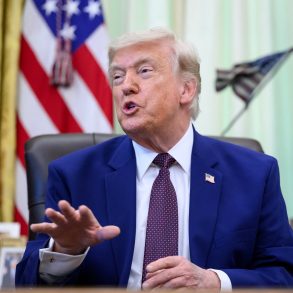
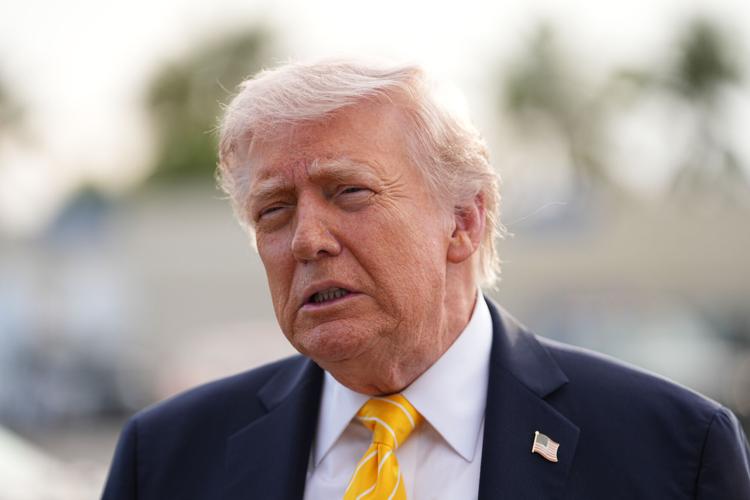
Trump confirmed on Saturday that his administration had received Iran’s proposal. In a post on Truth Social, he wrote that he would review the plan but doubted it would be acceptable. He argued that Iran has not yet “paid a big enough price” for its actions over the past 47 years. Speaking to reporters in Palm Beach, Florida, Trump said he was still waiting for the full details of the proposal. When asked if the U.S. might renew military strikes inside Iran, he replied that it remained “a possibility” if Iran “misbehaves.”
The president also made it clear that the United States is not planning a full withdrawal from the region. “We’re not leaving,” he said, adding that any resolution must prevent the need for future interventions in two or five years.
This latest diplomatic exchange comes after U.S. and Israeli strikes against Iran earlier this year. Iran responded by restricting shipping in the Strait of Hormuz, a critical route for global oil supplies. A ceasefire took effect on April 8, but tensions remain high. Trump has maintained that Iran must never be allowed to develop a nuclear weapon.
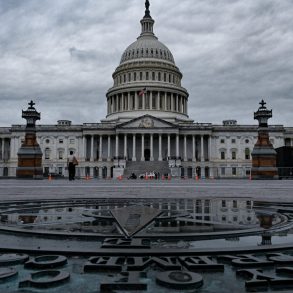
On the domestic front, some U.S. lawmakers are growing impatient with the conflict. Several Republicans, including Senator Josh Hawley of Missouri, have called for winding down U.S. involvement and redeploying forces. Senator Lisa Murkowski of Alaska expressed doubts about the operation’s success and warned against both a sudden withdrawal and an open-ended commitment to war.
Trump has argued that he does not need new approval from Congress to continue certain actions, claiming the conflict was “terminated” with the ceasefire. Under the War Powers Resolution, presidents must normally seek congressional approval within 60 days of starting military action. The deadline passed on Friday, but Trump maintains the ongoing blockade does not count as active hostilities.
The situation remains fluid, with both sides exchanging proposals while keeping pressure on each other. Iran says it is studying the U.S. response, while Trump continues to review Tehran’s offer with clear reservations.