

The Donald Trump administration is making another push to revive fragile diplomacy with Iran, dispatching senior envoys to Pakistan this weekend. But even before talks begin, Tehran has made one thing clear: it will not negotiate directly with the United States.
U.S. officials Steve Witkoff and Jared Kushner are expected to arrive in Islamabad for discussions with Iranian Foreign Minister Abbas Araghchi. The meeting is part of a renewed diplomatic effort led by Pakistan, which has been trying to bring both sides back to the negotiating table after weeks of stalled progress.
However, shortly after arriving in Islamabad, Araghchi’s office stated that any communication with the U.S. delegation would be indirect. Messages will be relayed through Pakistani officials rather than through face-to-face talks, underscoring the deep mistrust that still defines relations between Washington and Tehran.
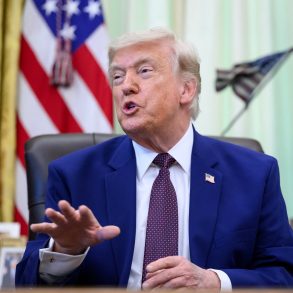
The diplomatic push comes amid a tense but ongoing ceasefire that has paused much of the direct fighting. President Trump recently agreed to extend the ceasefire indefinitely at Pakistan’s request, hoping more time could open the door to a broader agreement. Still, earlier attempts at negotiation—including talks in Geneva—collapsed without a deal, shortly before the conflict escalated.
While the guns have largely fallen silent, the economic consequences of the conflict continue to intensify. Iran’s grip on the Strait of Hormuz has severely disrupted global energy flows. The narrow passage, which normally carries about one-fifth of the world’s oil, has become a flashpoint, with Iran targeting ships and the U.S. enforcing a blockade on Iranian ports.
In response to the energy shock, Trump also extended a waiver to the Jones Act for 90 days. The move allows foreign vessels to help transport oil and natural gas to the United States, aiming to stabilize prices and maintain supply chains strained by the ongoing crisis.
Even so, global markets remain volatile. Oil prices have surged dramatically since the conflict began, and disruptions in shipping routes have rippled far beyond the Middle East, affecting trade corridors as distant as the Panama Canal.
The human cost of the war continues to climb despite the ceasefire. Thousands have been killed in Iran and Lebanon, with additional casualties reported in Israel and across Gulf states. Fighting between Israel and the Iran-backed group Hezbollah has added another layer of instability, particularly in southern Lebanon.
Israeli Prime Minister Benjamin Netanyahu has expressed cautious optimism about a potential long-term peace with Lebanon, even as clashes and drone activity persist along the border.
For now, all eyes are on Islamabad, where indirect talks may offer a narrow path forward. But with both sides still unwilling to meet directly, the chances of a breakthrough remain uncertain.