
The Trump administration has frozen approximately $344 million in cryptocurrency that U.S. officials say is linked to Iran, marking a significant escalation in its economic pressure campaign against Tehran. The move comes as fragile diplomatic efforts to end the ongoing conflict remain stalled and global markets continue to feel the strain of instability in the region.
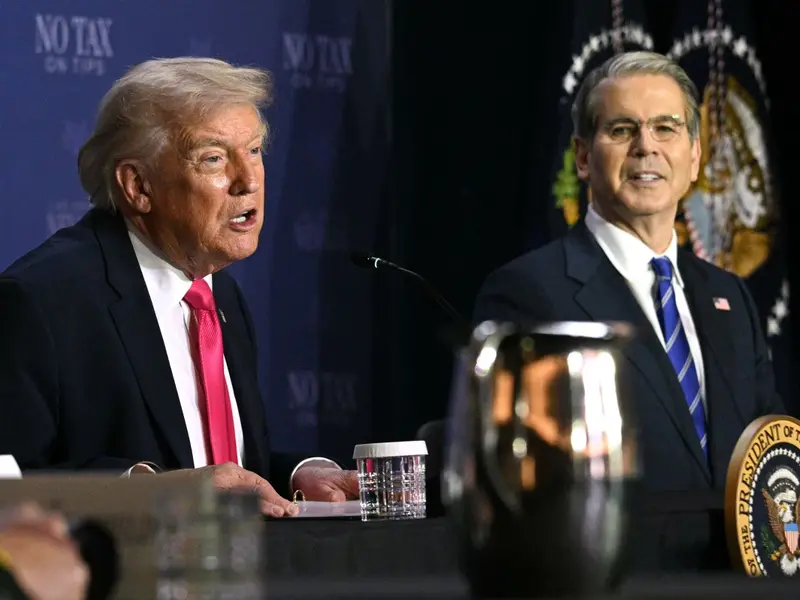
Treasury Secretary Scott Bessent announced that multiple digital wallets connected to Iran had been targeted. He emphasized that the U.S. would continue tracking financial activity tied to the Iranian government, stating that authorities are determined to cut off any economic lifelines supporting the regime.
The freeze was carried out with assistance from Tether, a major digital currency firm. The company said it acted after receiving information from U.S. authorities linking the funds to unlawful activity. According to officials, blockchain analysis revealed connections between the wallets and Iranian financial networks, including transactions involving the Central Bank of Iran.
U.S. officials claim Iran has increasingly turned to complex cryptocurrency transactions to bypass sanctions, stabilize its struggling currency, and maintain international trade. By routing funds through intermediary digital addresses, the government has attempted to obscure its involvement in cross-border financial activity.
The use of cryptocurrency by heavily sanctioned nations—including Iran, Russia, and North Korea—has grown in recent years due to the relative lack of regulation compared to traditional banking systems. According to blockchain analytics firm Chainalysis, Iran’s cryptocurrency holdings reached $7.8 billion in 2025, with a significant portion tied to the powerful Islamic Revolutionary Guard Corps.
Experts say the impact of the asset freeze may be limited. Daniel Tannebaum of the Atlantic Council described the move as “meaningful” but not necessarily decisive in altering Iran’s behavior. He noted that Iran has spent decades adapting to sanctions and developing alternative financial channels.
Instead, analysts argue that targeting third-party countries and entities that facilitate Iran’s trade may prove more effective. On the same day as the crypto freeze, the Treasury Department also sanctioned a China-based refinery accused of purchasing large amounts of Iranian oil.
Iran has long relied on unconventional financial methods to support its economy and military efforts. Officials and experts alike say cryptocurrency has become one of several tools used to fund operations, including acquiring weapons and maintaining strategic alliances.
The latest action underscores the evolving nature of modern economic warfare, where digital assets are increasingly becoming a battleground alongside traditional sanctions and military pressure.