

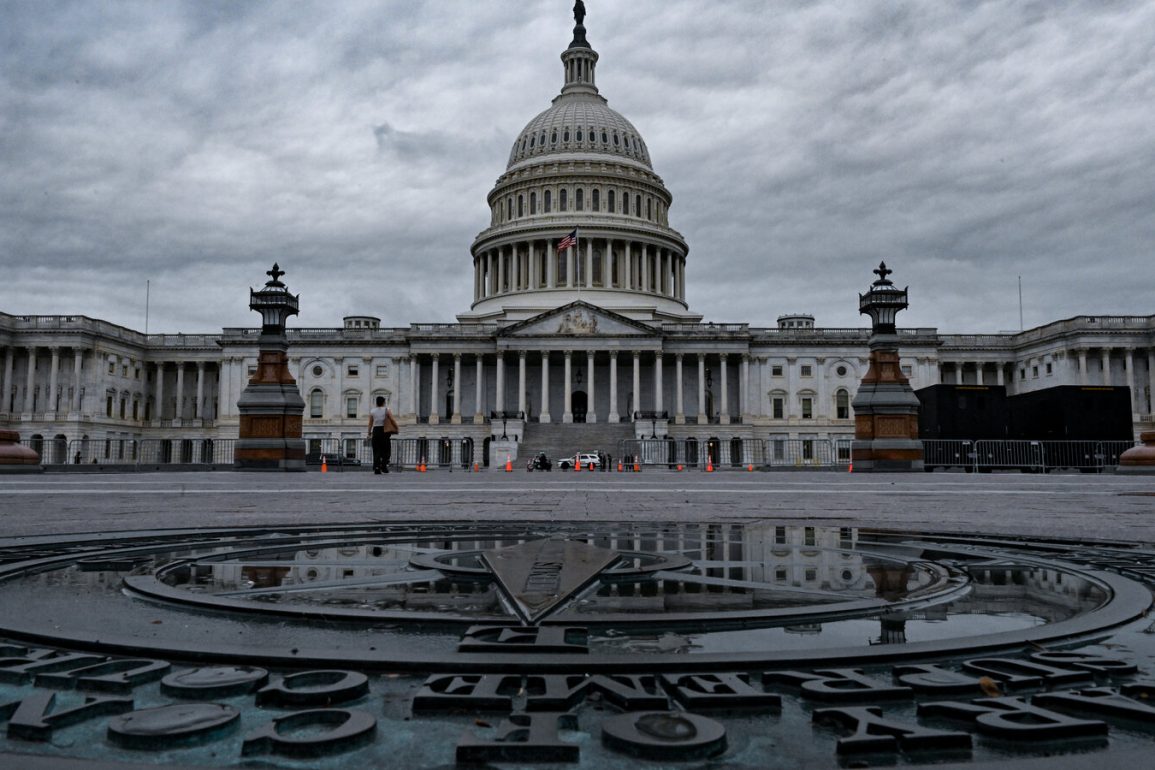
House Republicans on Thursday postponed a key vote on a war powers resolution that would limit President Donald Trump’s ability to continue U.S. military operations in Iran after it became clear the measure likely had enough support to pass.
The delay pushes the vote until lawmakers return from their Memorial Day recess in early June, but the issue is far from settled. The resolution is expected to come back to the House floor as pressure builds from both Democrats and some Republicans who are increasingly uneasy about the growing costs of the conflict.
The war, launched by Trump on February 28 without formal approval from Congress, has become a source of mounting political tension in Washington. According to the Pentagon, the conflict has already cost $25 billion, left at least 13 U.S. service members dead, and wounded hundreds more. At the same time, disruptions to global energy supplies have contributed to rising gas prices, adding to public frustration.
The resolution, introduced by Rep. Gregory Meeks, would require Trump to withdraw U.S. forces from hostilities with Iran unless they are needed to defend the United States or an ally from an imminent attack.
House Minority Leader Hakeem Jeffries and other Democratic leaders sharply criticized Republicans for pulling the vote.
They accused GOP lawmakers of avoiding accountability while American troops remain in harm’s way, especially as the country prepares to observe Memorial Day.
House Majority Leader Steve Scalise denied Republicans were trying to dodge the vote, saying some members who were absent wanted the chance to be officially recorded when lawmakers return.
Under the War Powers Resolution of 1973, presidents can only engage in military conflict for 60 days without congressional authorization before lawmakers must either approve military action or formally declare war.
Trump has argued that the law does not apply in this case because a ceasefire with Iran remains in effect. Reports have also suggested the administration is considering renaming the military campaign from “Operation Epic Fury” to “Operation Sledgehammer,” a move critics say could allow the White House to argue that the legal 60-day clock has restarted.
The House has already narrowly rejected a similar bipartisan resolution. That measure failed in a tie vote after three Republicans broke ranks to support it. Rep. Jared Golden, the only Democrat to vote against it, later said he would support the next attempt.
The postponement sparked outrage on the House floor. Rep. Jim McGovern blasted Republicans, accusing them of lacking the courage to hold a vote because Americans are growing tired of what he called an “illegal war.”
Meanwhile, Senate Republicans are also working to block a similar war powers resolution. That measure recently advanced to a final vote after Sen. Bill Cassidy joined three other Republicans in support, bringing it closer to passage than previous attempts.
When Congress returns on June 2, House leaders will be required to bring the measure up for a vote, setting up what could become a major bipartisan challenge to Trump’s authority over the Iran conflict.