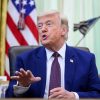
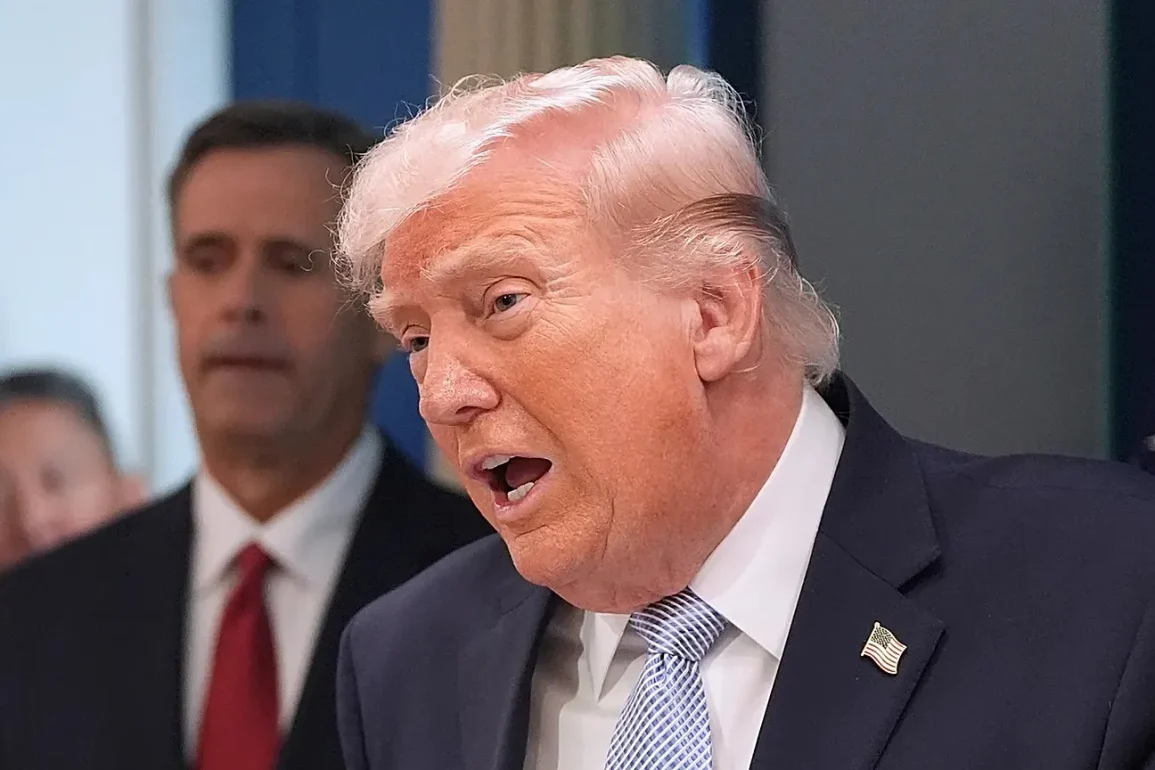
On April 7, 2026, the conflict between the United States, Israel, and Iran reached a critical point. President Donald Trump warned that “a whole civilization will die tonight” if Iran fails to meet his 8 p.m. Eastern deadline to reopen the Strait of Hormuz. This vital waterway, through which about one-fifth of the world’s oil supply normally passes, has been largely blocked by Iran in response to ongoing military actions.
The strikes have already increased in the hours leading up to the deadline. Israel reported destroying sections of eight bridges used by Iranian forces to move weapons and equipment in areas including Tehran, Karaj, Tabriz, Kashan, and Qom. The Israeli military said it used precise strikes to limit harm to civilians. Iranian state media reported civilian deaths, including two people killed in a strike on a railway bridge in Kashan, with others wounded. The U.S. also carried out new strikes and “restrikes” on military targets on Kharg Island, a key hub for Iran’s oil exports. Oil facilities themselves were not hit in these latest attacks.
Iran has responded by calling on young people to form human chains around power plants to act as human shields. State media shared video of hundreds of civilians gathered in front of the Kazerun combined cycle power plant in southwest Iran. Iranian officials have also renewed threats to involve Houthi allies in Yemen to close the Bab el-Mandeb Strait, another important shipping route for oil and gas, if the situation worsens.
Diplomatic Efforts and Setbacks
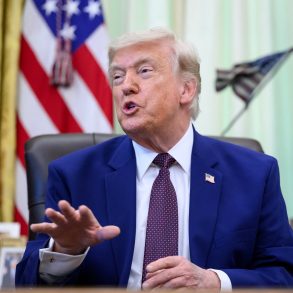
President Trump has described Iran’s recent proposals as a “significant step” in response to a U.S. 15-point peace plan. He said he believes the Iranian regime is negotiating “in good faith” but made clear he will not extend the deadline further. Vice President JD Vance added that the U.S. has additional “tools in our toolkit” that have not yet been used, while expressing hope that talks could prevent their deployment.
A U.N. Security Council resolution aimed at reopening the Strait of Hormuz was vetoed by Russia and China. The measure had been weakened several times to try to gain broader support, removing references to military force and limiting it to defensive actions and coordination for safe navigation. Even if passed, it likely would not have changed the course of the conflict.
In a related development, an Iranian-backed militia in Iraq announced the release of American journalist Shelly Kittleson, who was abducted in Baghdad about a week earlier. The group said she must leave Iraq immediately. U.S. officials had previously warned Kittleson of threats from the Kata’ib Hezbollah militia.
Reactions in the U.S. and Economic Impact
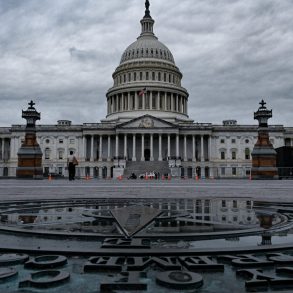
Democrats in Congress strongly criticized Trump’s rhetoric. Senate Minority Leader Chuck Schumer called the president “an extremely sick person,” while House Minority Leader Hakeem Jeffries urged Republicans to oppose the war and put “patriotic duty over party.” Some lawmakers raised concerns about potential war crimes from targeting civilian infrastructure and called for Congress to reconvene or even consider the 25th Amendment. Republican Sen. Ron Johnson expressed unease about striking civilian targets.
Markets reacted to the uncertainty. Oil prices rose, with Brent crude climbing about 1% to around $110–$111 per barrel and West Texas Intermediate nearing $116. U.S. stock futures declined, and gasoline prices in the United States reached their highest level since 2022, averaging $4.14 per gallon. The closure of the Strait has already disrupted global energy supplies and driven up costs.
Broader Context of the Conflict
The war began on February 28, 2026, with U.S. and Israeli strikes on Iranian targets. Since then, both sides have exchanged attacks, including strikes on infrastructure and threats that have affected shipping across the region. Iran has also launched missiles at targets in the United Arab Emirates, wounding two people at a satellite telecommunications facility. Power transmission lines west of Tehran were hit, causing temporary outages.
Israeli Prime Minister Benjamin Netanyahu defended the strikes on railways and bridges, saying they target infrastructure used by Iran’s Revolutionary Guard to support attacks, not the Iranian people. He described the actions as weakening a regime that has oppressed Iranians for decades.
As the deadline approaches, the situation remains highly volatile. Trump has suggested that regime change could lead to a better future for Iran, while Iranian officials warn of strong responses if civilian infrastructure is destroyed. The coming hours could determine whether the conflict de-escalates through negotiations or intensifies into even more widespread destruction.