

A major rupture has emerged inside the Trump administration as its top counterterrorism official stepped down in protest over the escalating war with Iran, warning that the conflict is both unnecessary and dangerous.
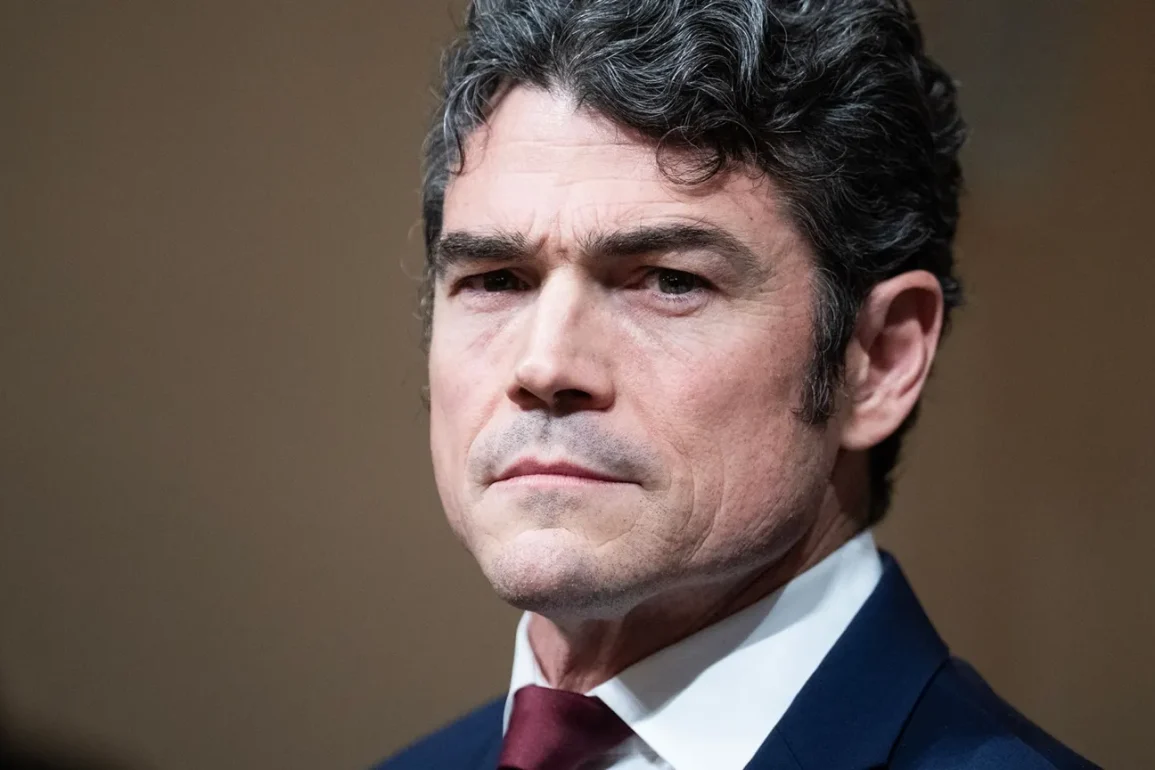
Joe Kent, director of the National Counterterrorism Center, announced his resignation in a public letter addressed to Donald Trump. In it, Kent argued that Iran posed “no imminent threat” to the United States and urged the president to “reverse course” before further escalation.
Kent, a decorated military veteran and longtime Trump supporter, claimed the administration had been misled into war. He alleged that “high-ranking Israeli officials” and influential voices in American media created an “echo chamber” that exaggerated the threat posed by Iran, ultimately pushing the U.S. into conflict.
“This was a lie,” Kent wrote, asserting that the decision to go to war undermined Trump’s long-standing “America First” platform.
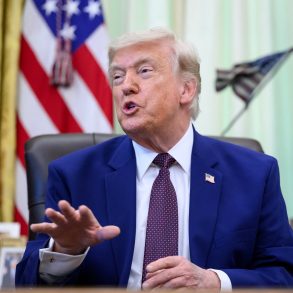
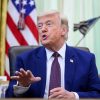
The White House quickly rejected those claims. Speaking from the Oval Office, Trump dismissed Kent as “weak on security,” adding that his resignation confirmed “it was a good thing that he’s out.” Officials maintained that the president acted on “strong and compelling evidence” that Iran was preparing an imminent attack on the United States.
Karoline Leavitt reinforced that stance, calling Kent’s suggestion that Trump had been influenced by foreign actors “insulting and laughable.”
Kent’s departure makes him the highest-ranking official so far to publicly break with the administration over the war. His resignation has also sparked fierce backlash from both political leaders and advocacy groups.
The Anti-Defamation League accused Kent of invoking “old-age antisemitic tropes” by blaming Israel and pro-Israel voices for U.S. policy decisions. Similar criticism came from Ilan Goldenberg, who described the letter as “ugly stuff,” and from Mitch McConnell, who said “isolationists and anti-Semites have no place” in government.
At the same time, some figures on the political right voiced support. Tucker Carlson praised Kent as “the bravest man I know,” emphasizing his access to high-level intelligence and willingness to resign despite the consequences.
Kent’s background adds weight to his criticism. A former U.S. Army Special Forces soldier and CIA paramilitary officer, he deployed 11 times overseas. His wife, Shannon Kent, a Navy cryptologic technician, was killed in a 2019 suicide bombing in Syria. In his resignation letter, Kent cited that loss, saying he could not support sending more Americans into a war that “serves no benefit” to the country.
Within the administration, however, support for Trump’s decision remains firm. Tulsi Gabbard defended the president, stating that determining imminent threats ultimately falls under the authority of the commander-in-chief. She added that Trump had reviewed the intelligence and acted accordingly.
Kent’s exit comes amid a broader, though still limited, wave of resignations in Trump’s second term. While turnover has been lower than during his first presidency, his departure underscores growing internal divisions over foreign policy—particularly as the conflict with Iran continues to intensify.
As the war unfolds, Kent’s warning highlights a deeper debate within Washington: whether the current path strengthens U.S. security—or risks pulling the country into a costly and prolonged conflict.