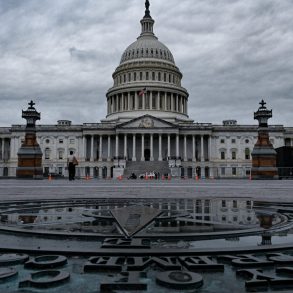


WASHINGTON — In a late-night vote on November 10, the U.S. Senate approved bipartisan legislation to reopen the federal government and end the longest shutdown in American history, which had stretched into its 40th day. The bill passed 60-40, with eight Democrats joining nearly all Republicans to break a partisan deadlock. The measure now heads to the House of Representatives, where leaders aim for a vote as early as Wednesday.
The agreement funds most government operations through January 30, 2026, and includes a “minibus” package with three full-year appropriations bills. Key among them is complete funding for the Supplemental Nutrition Assistance Program (SNAP) through September 2026, ensuring food aid continues for millions of low-income Americans. The deal also reimburses states that used their own money to maintain SNAP during the shutdown and includes provisions to halt mass federal layoffs ordered by the Trump administration.
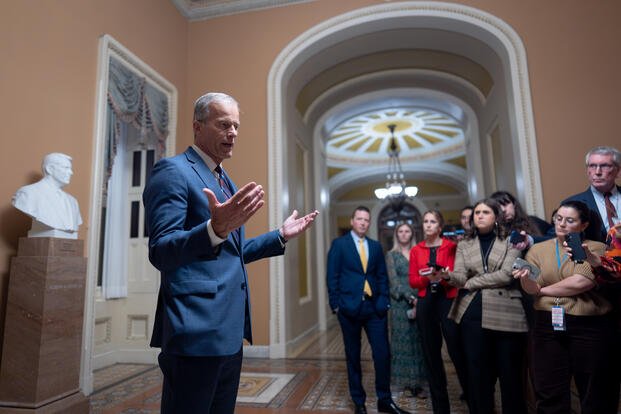
However, Democrats made a significant concession: the bill does not extend enhanced subsidies under the Affordable Care Act (ACA), also known as Obamacare, which are set to expire at the end of 2025. Without renewal, premiums could rise sharply for more than 20 million enrollees next year. In exchange, Senate Majority Leader John Thune (R-S.D.) promised a standalone vote on ACA funding by mid-December, though it would need 60 votes to pass—requiring bipartisan support that remains uncertain.
“This was the only deal on the table,” said Sen. Jeanne Shaheen (D-N.H.), a lead negotiator and retiring senator who helped craft the compromise. “It was our best chance to reopen the government and immediately begin negotiations to extend the ACA tax credits that tens of millions of Americans rely on to keep costs down.”
The eight Democrats who crossed party lines were Shaheen; Maggie Hassan (D-N.H.); Catherine Cortez Masto and Jacky Rosen (both D-Nev.); Dick Durbin (D-Ill.); John Fetterman (D-Pa.); Tim Kaine (D-Va.); and Angus King (I-Maine), who caucuses with Democrats. Most are moderates, former governors, or retiring members less bound by party pressure. They faced immediate criticism from progressive voices, including Sen. Bernie Sanders (I-Vt.), who called the vote “a very, very bad” decision.
Sen. Dick Durbin, the No. 2 Democrat in Senate leadership and another retiring member, emphasized the human cost of prolonging the shutdown. “I cannot accept a strategy that wages political battle at the expense of paychecks for federal workers,” he said. The closure had disrupted air travel, halted pay for 800,000 federal employees, and threatened food assistance, with lines at food banks reaching levels not seen since the COVID-19 pandemic.
Other defectors highlighted state-specific impacts. Nevada’s Rosen and Cortez Masto pointed to crippled tourism and aviation in their swing state, while Virginia’s Kaine secured language blocking further “non-strategic mass firings” that had traumatized workers. Pennsylvania’s Fetterman, a frequent party maverick, lamented on social media: “It should’ve never come to this. This was a failure.”
Senate Minority Leader Chuck Schumer (D-N.Y.) voted against the bill, decrying it as inadequate. “The American people have now awoken to Trump’s health care crisis,” he said. “Republicans have refused to move an inch.” An earlier amendment by Sen. Tammy Baldwin (D-Wis.) for a one-year ACA extension failed unanimously among Republicans.
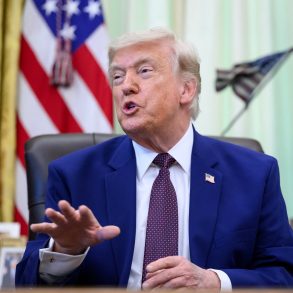
President Donald Trump endorsed the deal on Monday, calling it a step toward stability. Every Republican senator supported the final bill except Sen. Rand Paul (R-Ky.).
In the House, Speaker Mike Johnson (R-La.) outlined plans during a Monday conference call for Republicans. The chamber, idle since September 19 in an extended recess, will first swear in Rep.-elect Adelita Grijalva (D-Ariz.), winner of a September 23 special election. A rule vote and final passage could follow by Wednesday, after which members plan to depart again. Johnson expressed confidence in passage despite a tight margin, as whip counts continue.
House Minority Leader Hakeem Jeffries (D-N.Y.) vowed opposition. “We’re going to fight hard to defeat it,” he said, framing the shutdown as a worthy stand for Americans. “The fight lives on.”
The shutdown’s end marks a temporary truce in a bitter standoff over health care and spending. While federal workers return and services resume, the battle over ACA subsidies—and broader fiscal clashes—looms into December and beyond. As Sen. King noted, reopening the government raises the odds of an ACA extension to “maybe 50%,” but “nobody can guarantee a result.”