
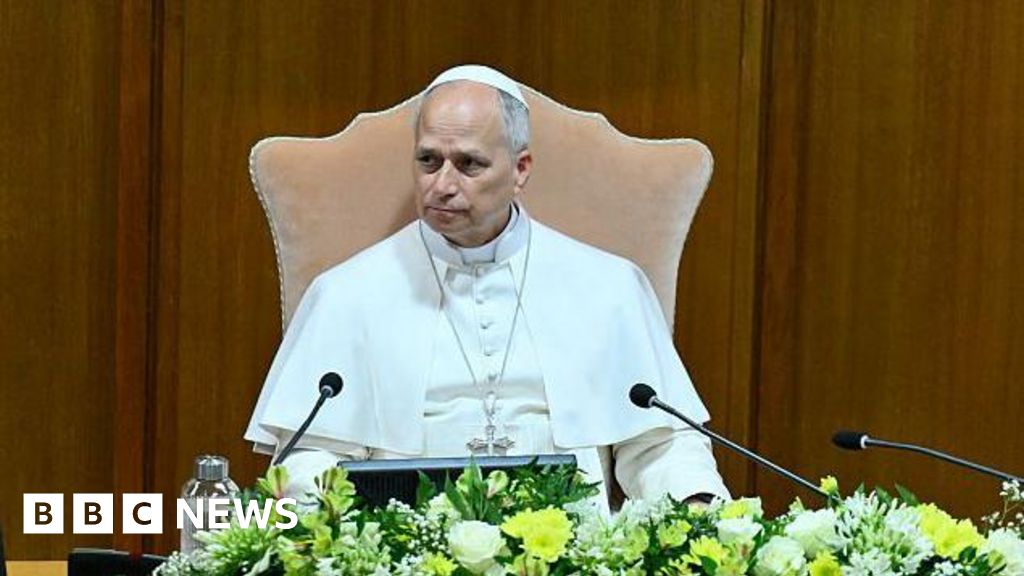
In his first major teaching document as Pope, Leo has called for artificial intelligence to be “disarmed,” warning that the powerful technology risks creating dangerous “new digital slaveries.”
The encyclical, titled Magnifica Humanitas (“Magnificent Humanity”), focuses heavily on the ethical challenges of AI. Pope Leo deliberately used strong language, saying the moment demands words that will grab the world’s attention.
“Advanced technologies risk creating new forms of exploitation and control that threaten human dignity,” the Pope wrote. He drew direct parallels between the horrors of historical slavery and what he sees as emerging digital versions of it — both in how AI is built and how it is used.
A Strong Apology on Slavery
Alongside his warnings about AI, Pope Leo issued one of the most comprehensive apologies ever from the Vatican for the Catholic Church’s involvement in slavery. He expressed “deep sorrow” for the immense suffering and humiliation endured by enslaved people and formally asked for pardon on behalf of the Church.
The Pope suggested that society is once again at risk of accepting exploitation as normal, just as it once did with the slave trade. He warned that failing to act now on AI would be similar to the Church’s delayed response to slavery in the past.
Presented with AI Experts
In an unusual move, Pope Leo personally presented the encyclical at the Vatican alongside technology experts. Among them was Christopher Olah, co-founder of the major U.S. AI company Anthropic.
Olah acknowledged that AI companies, including his own, often face conflicting pressures. He agreed that the big questions raised by AI go far beyond what computer scientists alone should decide.
Warnings on Warfare and Politics
The document strongly criticizes several uses of AI. Pope Leo condemned the development of AI-powered weapons, saying that reducing human control over lethal force makes it harder to justify any war as morally acceptable.
“No algorithm can make war morally acceptable,” he wrote. He warned that AI could make conflicts start more easily, turn defense into cold prediction, and treat human victims as mere data points.
The Pope also raised concerns about AI’s role in politics, particularly the spread of manipulated images and videos that distort reality and expose people to biased information.
A Direct Appeal to Developers
Pope Leo made a special appeal to those who create AI systems. He reminded them that every design choice reflects a particular view of what it means to be human and carries serious ethical and spiritual responsibility.
He compared today’s need for strong safeguards around AI to the protections that were eventually created during the Industrial Revolution to protect workers and human dignity.
Uncertain Impact
While the encyclical is a clear and passionate message, questions remain about its real-world effect. The Pope has formed a commission to continue this work, but technology is advancing rapidly.
Some observers note that Pope Francis wrote a major encyclical on climate change in 2015, only to express disappointment years later at the lack of meaningful action. Pope Leo may face similar challenges as he tries to influence the direction of AI development.