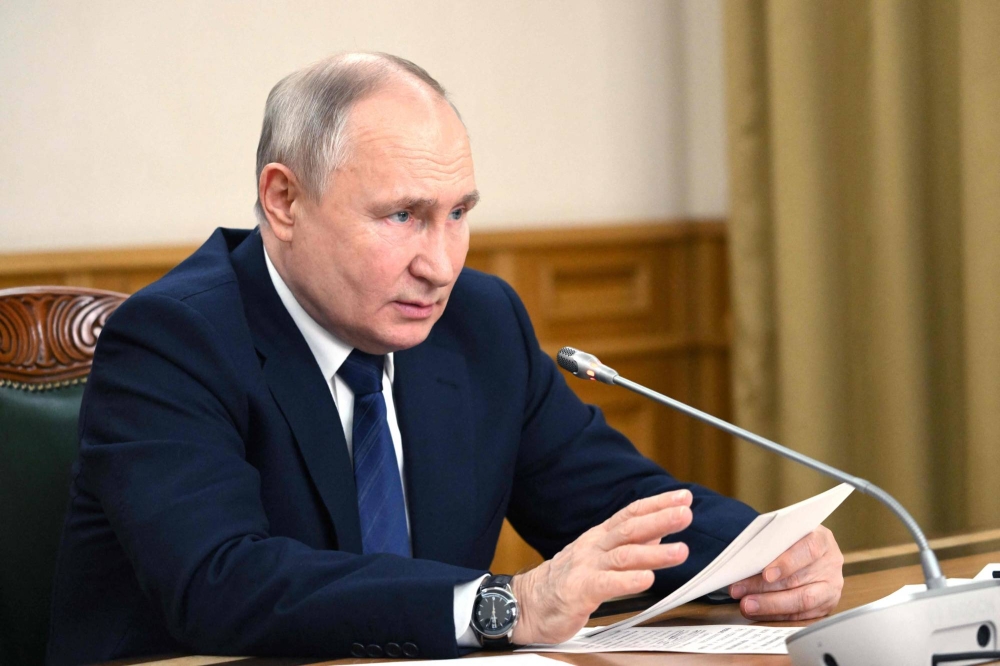
Russian President Vladimir Putin stated on Saturday that he believes the war in Ukraine is approaching its conclusion. His comments came on May 9, 2026, just hours after Russia held a noticeably smaller Victory Day parade in Moscow.
“I think that the matter is coming to an end,” Putin told reporters. He also expressed willingness to discuss new security arrangements for Europe and named Germany’s former Chancellor Gerhard Schröder as his preferred negotiating partner.
The remarks mark a shift in tone from Putin, who has repeatedly promised victory and said Russia would continue fighting until all its goals in what it calls the “special military operation” are met. Russia invaded Ukraine in February 2022, triggering Europe’s deadliest conflict since World War II and the worst crisis in Russia-West relations since the 1962 Cuban Missile Crisis.
Scaled-Back Victory Day Celebrations
The statements followed Russia’s annual Victory Day parade, which commemorates the Soviet Union’s defeat of Nazi Germany in 1945 and honors the 27 million Soviet citizens who died in the war. This year’s event was smaller than usual. Instead of displaying rows of tanks and intercontinental ballistic missiles rolling across Red Square, organizers showed videos of military equipment in action on large screens.
Russian troops have now been fighting in Ukraine for more than four years—longer than the Soviet Union fought against Nazi Germany in World War II.
Current Battlefield Situation
Russian forces control roughly one-fifth of Ukrainian territory, mostly in the east and south. However, advances have slowed significantly this year. Russia has been unable to fully capture the Donbas region despite heavy fighting, with Ukrainian forces holding defensive positions around key cities.
The war has caused massive destruction across Ukraine, killed hundreds of thousands of soldiers on both sides, and strained Russia’s economy, which was worth about $3 trillion before the conflict. Relations between Russia and Europe are at their lowest point since the Cold War.
Recent Ceasefire Efforts
In recent days, both sides accused each other of violating short unilateral ceasefires. U.S. President Donald Trump then announced a three-day ceasefire from Saturday to Monday, which both Moscow and Kyiv supported. The two countries also agreed to exchange 1,000 prisoners of war.
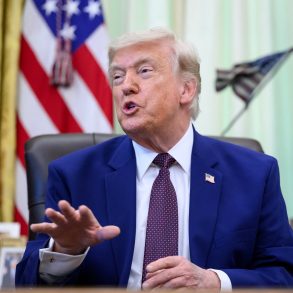
Trump described the conflict as “the worst thing since World War Two in terms of life,” noting the high number of casualties. “Twenty-five thousand young soldiers every month. It’s crazy,” he said, adding that he hopes the ceasefire can be extended significantly.
Putin’s Views and Future Talks
Putin blamed the conflict on Western “globalist” leaders. He claimed they had promised after the 1989 fall of the Berlin Wall that NATO would not expand eastward, but later tried to pull Ukraine closer to the European Union.
When asked about talks with European leaders, Putin said he would prefer to negotiate with former German Chancellor Gerhard Schröder. European Council President António Costa recently suggested there could be potential for the EU to discuss future security arrangements with Russia.
Ukrainian President Volodymyr Zelenskyy and Putin have not met directly. Putin said any meeting would only be possible after a lasting peace deal is reached.
European leaders have strongly supported Ukraine with weapons, intelligence, and financial aid. Many view Putin as an aggressor who must be defeated to prevent future attacks on NATO countries. Russia rejects these accusations.
While Putin’s latest comments suggest the long war may be winding down, significant differences remain between the two sides. Any lasting agreement would likely require difficult compromises on security guarantees, territory, and Ukraine’s future relationship with Europe and NATO.