

Global markets rallied Wednesday morning after reports suggested the United States and Iran may be closing in on a deal to end their ongoing conflict and reopen the vital Strait of Hormuz. The mere possibility of peace sent oil prices tumbling and stocks sharply higher—though uncertainty still hangs over whether a final agreement will materialize.
According to multiple sources cited in the report, officials from Washington and Tehran are working on a preliminary one-page memorandum of understanding. The document would aim to halt hostilities and establish a framework for future negotiations, particularly around Iran’s nuclear program. Iran has not confirmed that a deal is imminent, but officials acknowledged they are reviewing a U.S. proposal and plan to respond through mediators in Pakistan.
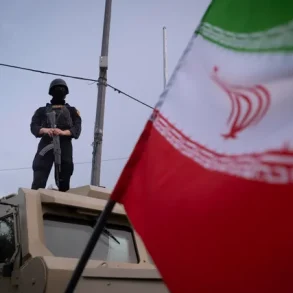
Iran’s navy signaled cautious optimism, stating that threats in the Strait of Hormuz had been “neutralized” and that new protocols would ensure safe and stable passage through the critical waterway. The strait, a narrow shipping route connecting the Persian Gulf to global markets, typically carries more than 20% of the world’s oil supply. Its disruption has been a major driver of recent energy price spikes.
President Donald Trump echoed the possibility of progress but struck a conditional tone. He said the war could end and shipping could resume “assuming Iran agrees to give what has been agreed to,” while warning that failure to comply could lead to renewed and intensified military action.
Financial markets reacted immediately. U.S. crude oil prices plunged as much as 15% in early trading, while international benchmark Brent crude dropped over 10%. Prices later stabilized somewhat after Trump cautioned it was “too soon” to finalize a deal, with crude recovering part of its losses by midday.
At the same time, stock markets surged on hopes that easing tensions would stabilize global trade and reduce inflationary pressure. The S&P 500 rose more than 1%, the Nasdaq climbed 1.5%, and the Dow Jones Industrial Average jumped nearly 600 points. European markets also posted strong gains, reflecting widespread investor optimism.
Bond yields fell sharply, offering potential relief for consumers. Lower yields often translate into reduced borrowing costs, including mortgage rates, which had climbed during the conflict. Recent data already showed mortgage rates beginning to ease, and further declines could follow if market conditions hold.
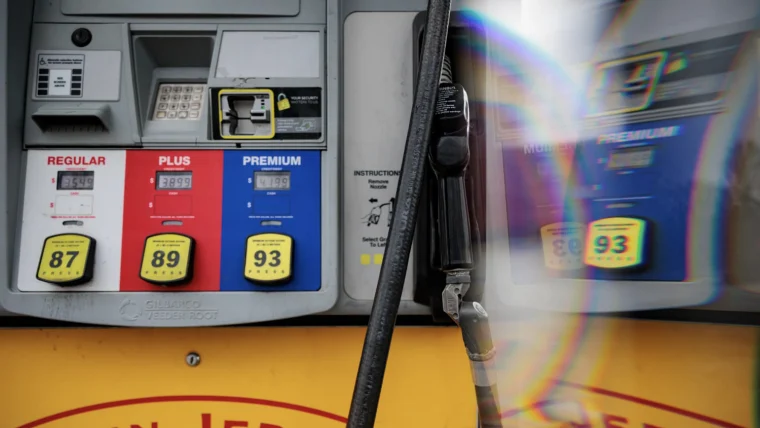
Despite the positive market reaction, consumers are still feeling the sting of high energy prices. The national average for gasoline surpassed $4.50 per gallon for the first time since mid-2022, nearing record highs. Prices have surged more than 50% since the conflict began, driven largely by disruptions in oil supply routes.
The road to a deal remains uncertain. Previous rounds of negotiations between U.S. and Iranian officials have collapsed, including talks held in Islamabad last month. At times, the White House has projected confidence in progress, only to later dismiss proposals as inadequate. These shifting signals have contributed to significant volatility in global markets.
Meanwhile, conditions in the Strait of Hormuz remain strained. Only a handful of ships have managed to pass through safely in recent days, compared to the hundreds that would typically transit the route daily. Thousands of vessels remain stalled, underscoring the high stakes of any agreement.
Even with Wednesday’s drop, oil prices are still significantly elevated compared to earlier this year, reflecting the lasting impact of the conflict. For now, markets appear to be betting on diplomacy—but until a deal is signed, the situation remains fluid and unpredictable.