The Strait of Hormuz remains largely closed to international shipping, even after a shaky ceasefire between the United States and Iran took effect. On Thursday, President Donald Trump sharply demanded that Iran immediately stop charging any tolls on oil tankers passing through the vital waterway. At the same time, Iran’s supreme leader, Mojtaba Khamenei, declared that Iran would keep control over the strait and use it as leverage in upcoming talks.
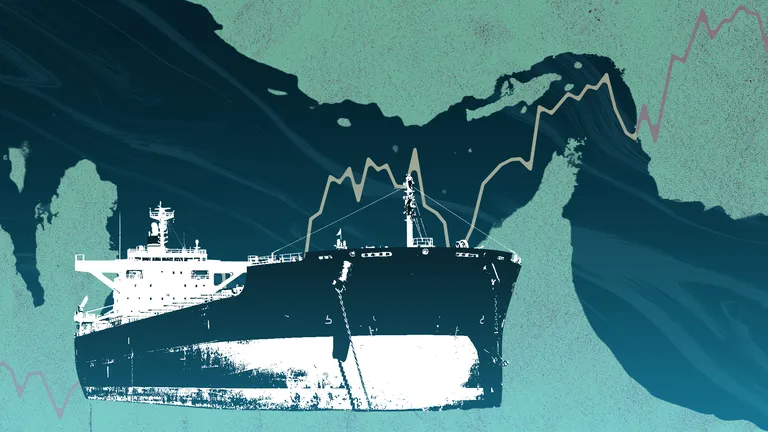
The narrow strait, located off Iran’s southern coast between the Persian Gulf and the Gulf of Oman, is one of the most important shipping routes in the world. It normally carries about one-fifth to one-quarter of the globe’s seaborne oil supply. When it is blocked or restricted, energy prices rise quickly and global supply chains feel the pressure.
Trump’s Strong Warning
President Trump took to Truth Social to address reports that Iran was demanding fees from tankers. He wrote: “There are reports that Iran is charging fees to tankers going through the Hormuz Strait — They better not be and, if they are, they better stop now!”
In a follow-up post, Trump added that Iran was doing “a very poor job, dishonorable some would say,” of allowing oil to flow through the strait. He reminded Tehran that free passage was part of the agreement reached in the ceasefire.
These statements came after a Financial Times report said Iran wanted to charge $1 per barrel of oil on ships, with payment required in cryptocurrency. Such a fee would go against long-standing international rules that guarantee free navigation through important waterways.
Iran’s Position
In his first public message since the ceasefire began, Supreme Leader Mojtaba Khamenei said Iran had won the recent war and would not give up its “rightful rights” in the strait. He stated that Iran would bring the management of the Strait of Hormuz into a “new stage” during negotiations with the United States. Khamenei also demanded compensation for damages and for the lives lost during the conflict.
The message was released on the 40-day commemoration of his father’s assassination by Israel at the start of the war. Khamenei stressed that Iran did not want war but would defend its interests firmly.
Current Situation on the Water
Despite U.S. officials earlier describing the strait as “wide open,” shipping has not returned to normal. Tanker operators and captains are hesitant to move because of Iranian threats and coercion. Hundreds of tankers loaded with oil and other goods are still waiting in the Persian Gulf. Nearly 20,000 mariners are essentially stranded, according to the International Maritime Organization.
Sultan Al Jaber, head of the Abu Dhabi National Oil Company, posted on LinkedIn that the strait “is not open” and that access is being “restricted, conditioned and controlled” by Iran.
Why It Matters
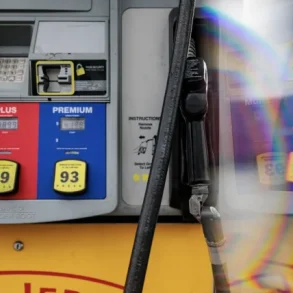
The continued closure is driving up oil prices once again. As of Thursday afternoon, oil was trading near $100 per barrel — well above levels seen before the recent conflict. Higher energy costs affect everything from gasoline prices at the pump to the cost of goods worldwide.
The fragile ceasefire between the U.S. and Iran is under growing strain just days before planned peace talks in Islamabad, Pakistan, on Saturday. A U.S. official said the United States is looking at ways to encourage ships to start moving through the strait safely.
What Comes Next
Analysts are watching whether ongoing tensions — including Israeli actions in Lebanon — will cause Iran to keep the strait effectively shut. If the blockage continues, it could keep global energy prices high for a long time and complicate efforts to reach a lasting peace deal.
For now, the Strait of Hormuz stays mostly closed, tanker traffic remains frozen, and both sides are digging in over the question of tolls and control. The coming days of negotiations in Pakistan will be critical in determining whether oil starts flowing freely again or whether the economic pain continues.


Related