
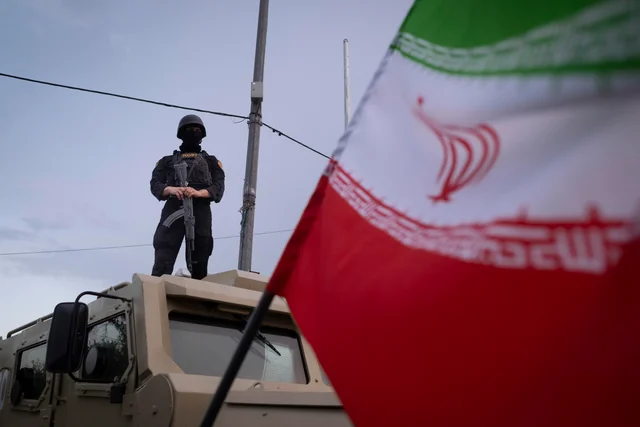
The Iran conflict continues to strain diplomacy and raise costs, even as both sides exchange proposals to end the fighting. President Trump expressed dissatisfaction with Iran’s latest peace offer, delivered through Pakistani mediators on Friday, while a senior Iranian commander warned of harsh retaliation against any new U.S. attacks.
Key Developments on May 2
White House adds experienced adviser to negotiations team The White House confirmed that Nick Stewart, a former State Department official from Trump’s first term and experienced lobbyist, has joined the diplomatic team led by Special Envoy Steve Witkoff. Stewart was brought on by Jared Kushner and previously worked with the Foundation for the Defense of Democracies, a group that has supported strong measures against Iran. Officials describe him as a “sharp, seasoned policy expert” who will provide support on Iran policy.
Stewart joined earlier talks in Islamabad that included Vice President JD Vance and Kushner, though those efforts did not produce a deal. His background includes lobbying on foreign policy issues such as enhanced sanctions against Iran.
Qatar engages with Iran on negotiations Qatari Prime Minister Mohammed bin Abdulrahman bin Jassim Al-Thani held talks with Iranian Foreign Minister Abbas Araghchi about ongoing peace efforts. Qatar, which has faced Iranian attacks on its infrastructure, reaffirmed support for mediation and peaceful resolution while stressing freedom of navigation in the Strait of Hormuz.
Rising costs and military pressure
- The U.S. blockade in the Strait of Hormuz has forced 48 Iranian ships to turn around in the past 20 days, with three more redirected in the last 20 hours. President Trump defended the action, comparing U.S. Navy operations to “pirates” but emphasizing it counters Iran’s long-term behavior in the region.
- In Lebanon, Israeli attacks since March 2 have killed 2,659 people and injured more than 8,000, according to Lebanese health authorities. Both Israel and Lebanon accuse each other of violating a recent ceasefire.
- The Trump administration announced nearly $9 billion in new weapons sales to Israel, Qatar, the UAE, and Kuwait, bypassing standard congressional review by citing an emergency. These include precision rocket systems, missile defense technology, and Patriot missiles to protect against Iranian threats.
Iranian warnings and outlook A senior Iranian military officer, Mohammad Jafar Asadi, stated that renewed conflict with the United States is “likely,” citing a lack of U.S. commitment to agreements. This came shortly after Trump’s expression of dissatisfaction with Iran’s latest proposal.
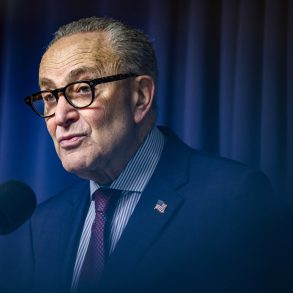
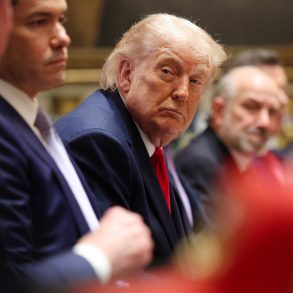
Political and domestic fallout President Trump informed Congress that “hostilities” with Iran have “terminated” as the 60-day deadline under the War Powers Resolution approached. Senate Minority Leader Chuck Schumer strongly rejected this assessment, calling it “bulls***” and criticizing the conflict as illegal. Some Republicans have also urged the administration to either wind down operations or seek formal congressional approval.
Trump has also announced plans to withdraw about 5,000 U.S. troops from Germany, signaling frustration with limited European support for the Iran campaign. In public remarks, he claimed the U.S. is “winning so big” and criticized opponents for suggesting otherwise.
The situation remains fluid, with diplomatic efforts continuing amid ongoing economic and military pressures on all sides. Negotiations are expected to intensify in the coming days.