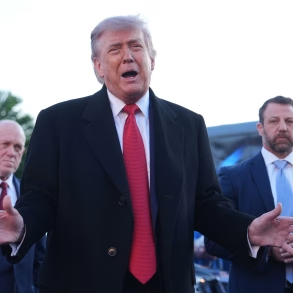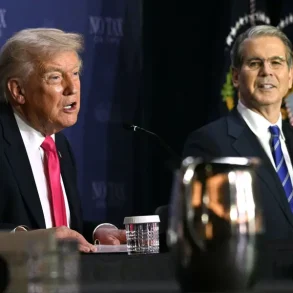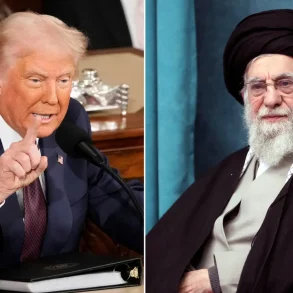

Tensions in the Middle East continue to rise as the month-long conflict between the United States, Israel, and Iran enters a dangerous new phase. President Donald Trump has warned that the U.S. could destroy Iran’s power plants and oil facilities if Tehran does not agree to a peace deal and reopen the vital Strait of Hormuz. Iran, meanwhile, has called the American proposal “unrealistic” and denied making major concessions.
The war, which began on February 28, 2026, has already caused thousands of deaths and sent shockwaves through global energy markets. Oil prices have climbed sharply, with Brent crude topping $116 per barrel on Monday, March 30. In the United States, the average price of gasoline has reached $3.99 a gallon—the highest level since 2022—according to AAA data.
Trump’s Warning and Iran’s Response
In recent statements, Trump said the U.S. might “blow up and completely obliterate” Iran’s electric plants and oil wells unless Iran accepts a 15-point U.S. plan to end the fighting and fully reopen the Strait of Hormuz, a narrow waterway through which about one-fifth of the world’s oil normally passes. He has also spoken about possibly taking control of Iranian oil resources, including the key export hub at Kharg Island.
Iran’s Foreign Ministry quickly pushed back, describing the U.S. demands as unrealistic. Officials in Tehran contradicted Trump’s claim that Iran had agreed to “most of” the American proposals. At the same time, U.S. Secretary of State Marco Rubio noted “fractures” within Iran’s leadership and suggested that some Iranian figures were privately open to change, though he declined to name them.
Former national security adviser John Bolton, appearing on CNN, called claims of negotiating with a “new and more reasonable regime” delusional. He argued that the core ideology of Iran’s government remains unchanged despite the death of Supreme Leader Ali Khamenei early in the conflict.
Escalating Violence Across the Region
Fighting has spread on multiple fronts. A U.S.-Israeli strike hit an orphanage west of Tehran, killing at least two people, according to Iranian state media. In southern Lebanon, an Indonesian UN peacekeeper died after Israeli forces struck the area overnight. An oil refinery complex in Israel was also damaged by debris from an intercepted attack.
Other incidents include:
- A suspected Iranian missile neutralized by NATO forces after entering Turkish airspace.
- Drone and missile interceptions reported by the United Arab Emirates, Bahrain, and Saudi Arabia.
- The death of an Indian worker in Kuwait after an Iranian attack damaged a power and water facility.
Iran-backed Houthi militants in Yemen have stepped up attacks on Israel and could target the Bab el-Mandeb Strait, another critical shipping route. Experts warn that such a move would worsen the global energy crisis.
Heavy Human and Humanitarian Toll
Since the conflict started, thousands have died. Iranian authorities report at least 1,900 deaths in Iran, including many civilians and over 200 children. In Lebanon, more than 1,247 people have been killed since early March, with at least 124 of them children. Smaller numbers of deaths have been recorded in Iraq, Israel, and among U.S. service members (13 so far). Additional casualties have occurred in several Gulf countries.
The International Rescue Committee warned Monday that soaring fuel prices and disrupted supply chains are creating a humanitarian crisis in parts of Africa. Aid deliveries for malnourished children in Somalia, medical supplies in Sudan, and health services in the Democratic Republic of Congo and Nigeria are all being affected.
Global Energy Crisis Deepens
The partial closure of the Strait of Hormuz has sharply reduced oil shipments, driving up prices worldwide. Some ships from Pakistan, China, and India have been allowed through under special arrangements, but traffic remains far below normal levels. Several countries have responded with emergency measures:
- Price caps on oil (Poland, South Korea, China, and others).
- Fuel subsidies and tax cuts (France, Italy, Australia, Ireland, Japan, Philippines).
- Energy conservation rules (Jordan, Egypt).
Analysts say the crisis could spread further if the conflict drags on or if key facilities like Kharg Island are hit.
Domestic U.S. Debate and Legal Concerns
Inside the United States, conservative commentators are divided. Some, like Fox host Mark Levin, have urged stronger military action, including efforts to secure Iranian uranium. Others, such as veteran Johnny “Joey” Jones, warn against prolonged nation-building and call for any action to be quick and limited.
Legal experts have raised serious questions about the legality of targeting energy infrastructure. They argue that such strikes must offer a clear military advantage and must not cause disproportionate harm to civilians or the environment. Some human rights groups and UN officials have warned that deliberately attacking power plants and oil facilities could amount to war crimes.
As of Monday afternoon, the situation remains fluid. Peace talks appear to be continuing in some form, but with deep disagreements on both sides and violence spreading, the risk of further escalation is high. The coming days will likely determine whether diplomacy can halt the conflict or if the region—and the world’s energy supplies—face even greater turmoil.