President Donald Trump faces what may be his toughest decision in the ongoing U.S.-led conflict with Iran: whether to deploy American ground troops—”boots on the ground”—into the country. As the war, known as Operation Epic Fury, enters its fourth week in March 2026, the president has weighed options in near-daily White House briefings with top military leaders, but he has publicly downplayed any plans for such a move.
“I’m not putting troops anywhere,” Trump said Thursday in the Oval Office. “If I were, I certainly wouldn’t tell you.” White House officials have echoed this, stressing that no final decision has been made and that ground forces are not currently planned.
The conflict began on February 28, 2026, with coordinated U.S. and Israeli airstrikes targeting Iranian military sites, leadership, missile capabilities, naval assets, and nuclear-related facilities. The U.S. has struck over 7,000 targets, destroying much of Iran’s navy, missile arsenal, and drone capabilities, according to Defense Secretary Pete Hegseth and other officials. Trump has called the operation “ahead of schedule” and suggested it could wrap up sooner than expected, possibly around the four-week mark.
Yet key goals remain unfinished. A main stated reason for the war—preventing Iran from developing a nuclear weapon—has not been fully achieved. Iran’s stockpile of highly enriched uranium remains buried deep underground at sites like those bombed in Isfahan, and experts note that the regime’s scientific knowledge cannot be eliminated by airstrikes alone. “The fundamental advantage Iran has is that knowledge can’t be bombed away,” one European diplomat said.
Iran’s closure of the Strait of Hormuz—a vital chokepoint for global oil shipments—has created massive economic fallout. The blockade has spiked energy prices worldwide, drawn criticism that the war’s consequences were not fully anticipated, and complicated efforts to end the fighting. U.S. officials are scrambling for solutions to reopen the strait, including potential naval escorts, but building international coalitions has proven difficult. Trump has criticized NATO allies for not stepping up and suggested the U.S. might not need their help.
Differences have also emerged between U.S. and Israeli aims. While Trump focuses on specific military objectives like degrading Iran’s missile and naval power, Israel appears to pursue broader goals, including assassinating Iranian leaders and weakening the regime’s structures. Israeli officials privately acknowledge Trump’s shorter political timeline, tied to domestic pressures and upcoming midterm elections, compared to their longer-term vision. Trump has said he believes Israel would align with his decision to end the war.
Pressure is building from Republican allies in Congress. Many supported the initial strikes and secret briefings but warn against escalation. “All along, we’ve been assured that we wouldn’t have a situation where we would have any significant number of troops on the ground,” said Rep. Jeff Van Drew (R-N.J.). Others, like Reps. Derrick Van Orden (a former Navy SEAL) and Tim Burchett, have urged a quick exit strategy, fearing “endless wars” and more American casualties.
Some GOP figures have advised Trump to declare victory based on achieved objectives—such as crippling Iran’s navy and missiles—and move on, avoiding the political and human costs of ground operations. Sending troops could risk backlash, threaten support for war funding, and alienate voters ahead of November elections.
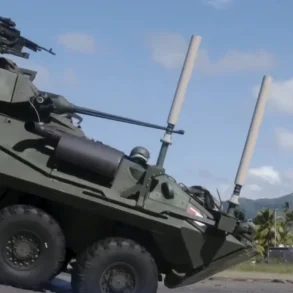
Options under consideration include seizing Kharg Island, which handles about 90% of Iran’s crude exports, to pressure Tehran into reopening the strait. Such a move could “totally bankrupt” parts of the regime like the Islamic Revolutionary Guard Corps, officials say, but it would likely require significant ground forces. Retrieving or destroying buried enriched uranium stockpiles would be even riskier, with potential for radioactive contamination if mishandled.
Trump has bristled at media focus on the war’s costs and negative coverage, while expressing frustration over allies’ reluctance to help patrol the strait. He has also distanced himself from some Israeli actions, like strikes on energy sites, claiming coordination but warning against further such moves.
As the war widens—with Iranian retaliation hitting regional energy facilities and economic shockwaves continuing—the path forward remains unclear. Allies worry that even without ground troops, a battered Iranian regime might accelerate nuclear efforts post-conflict, viewing the attacks as an existential threat.
For now, Trump keeps his options open in what could define his presidency: a swift aerial campaign ending in declared victory, or a deeper commitment that risks turning a limited operation into something far more prolonged and costly.