The war between the United States, Israel, and Iran continued to escalate Friday, as President Donald Trump sharply criticized NATO allies and ordered more American military power into the region. With no clear end in sight nearly three weeks into the conflict, tensions are rising across the Middle East—and far beyond.
Trump lashes out at NATO as Strait of Hormuz remains closed
Trump drew international attention after calling NATO allies “cowards” for refusing to send troops to help reopen the Strait of Hormuz, a critical shipping route for global oil.
The strait has been effectively shut down amid Iran’s retaliation for Israel’s earlier strike on the South Pars gas field, one of the world’s largest natural gas reserves. Trump argued that reopening the passage would be “a simple military maneuver,” blaming its closure as “the single reason” for surging oil prices.
Despite his criticism, several U.S. allies—including the U.K., France, Germany, Italy, the Netherlands, and Japan—have signaled willingness to help secure the waterway, but only after hostilities ease.
U.S. sends more Marines and warships
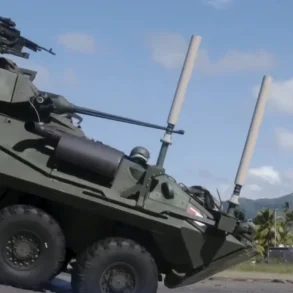
As diplomatic tensions rise, the Pentagon is reinforcing its military presence. About 2,200 additional U.S. Marines and three warships are now heading toward the Middle East, marking the second Marine expeditionary unit deployed since the war began on February 28.
The buildup reflects growing concern that the conflict could widen, especially as Iranian missile and drone attacks continue across the region.
Trump claims major military success
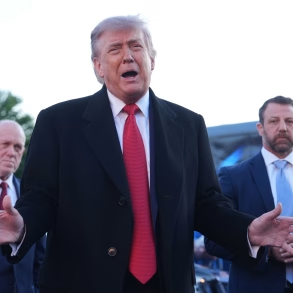
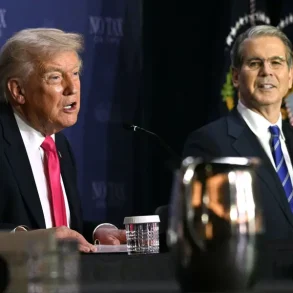
Speaking at the White House, Trump said U.S. operations have severely weakened Iran’s military capabilities.
“They had a navy two weeks ago. They have no navy anymore,” he said, claiming Iranian forces have been largely destroyed.
Trump also insisted Iran’s military hardware—including equipment sourced from Russia and China—had proven “useless” against U.S. forces. He reiterated that preventing Iran from obtaining nuclear weapons remains a central goal of the war.
Iran responds with defiance
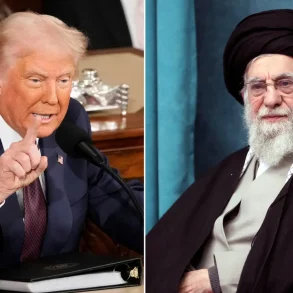
Iran’s new supreme leader, Mojtaba Khamenei, issued a message marking Nowruz, the Persian New Year, praising the resilience of the Iranian people.
He claimed the country had delivered a “crippling blow” to its enemies and rejected the idea that targeted killings of Iranian leaders would destabilize the government. Instead, he said such attacks had strengthened national resolve.
Mojtaba Khamenei assumed leadership after his father, Ali Khamenei, was killed at the start of the war.
NATO pulls out of Iraq amid rising threats
In a significant development, NATO announced it had withdrawn its advisory mission from Iraq and relocated personnel to Europe. The move came after Iranian attacks targeted bases used by British, French, and Italian forces in northern Iraq.
The mission, launched in 2018, had focused on training and advising Iraqi security forces.
Missile barrages and regional instability continue
Despite U.S. and Israeli claims that Iran’s offensive capabilities have been weakened, missile and drone attacks persisted Friday.
Iran launched repeated strikes toward Israel, triggering air raid sirens nationwide and forcing civilians into shelters. Some missiles were intercepted, but debris caused damage in residential areas.
Elsewhere, the United Arab Emirates reported intercepting multiple Iranian missiles and drones, while tensions spread to Lebanon and Syria, where Israeli forces expanded their operations.
Oil prices surge as war disrupts global supply
The ongoing conflict is already having a major economic impact. Brent crude oil prices have climbed to around $107 per barrel—up more than 47% since the war began—largely due to disruptions in the Strait of Hormuz.
With no ceasefire in sight and military activity intensifying, global markets remain on edge.