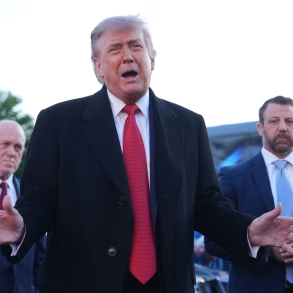

On January 9, 2026, U.S. President Donald Trump announced that he has called off a planned second wave of military strikes against Venezuela. The decision follows what Trump described as positive steps by Venezuela toward cooperation with the United States.
In a post on Truth Social, Trump wrote that Venezuela is now “working well” with the U.S., particularly in two main areas: rebuilding the country’s oil and gas infrastructure “in a much bigger, better, and more modern form,” and releasing “large numbers” of political prisoners. Because of this progress, he said the additional attacks “will not be needed,” although American military ships would stay in the region to maintain security.
The announcement comes just days after a major U.S. military operation on January 3 captured Venezuelan President Nicolás Maduro and his wife, Cilia Flores, in Caracas. Maduro was flown to the United States, where he and his wife have pleaded not guilty to federal charges related to drug trafficking and other crimes. The operation has drawn strong international criticism, with many governments and legal experts calling it an illegal violation of Venezuela’s sovereignty and international law.
Despite the controversy, the U.S. has continued its enforcement of oil sanctions. On the same day as Trump’s announcement, U.S. forces seized another oil tanker in the Caribbean—the fifth such seizure in recent weeks. The vessel, identified as the Olina (previously known as Minerva M), was boarded without resistance. Officials said it was part of efforts to stop shipments of sanctioned Venezuelan oil, which have often been directed to countries like Russia and China. Earlier seizures included a Russian-flagged tanker and other vessels suspected of evading sanctions.
Human rights groups and families in Caracas have confirmed the release of about a dozen political prisoners so far, including opposition figure Biagio Pilieri, who was freed from the notorious Helicoide prison. Venezuelan officials have promised that many more will be released as a sign of goodwill.
The developments suggest a possible shift toward diplomacy. A U.S. diplomat has traveled to Venezuela to evaluate the possibility of reopening the American embassy in Caracas, which has been closed since 2019. President Trump has also said he plans to meet with opposition leader María Corina Machado next week. Machado, a longtime critic of the Maduro government and recent Nobel Peace Prize recipient, has expressed support for U.S. involvement in Venezuela’s political transition.
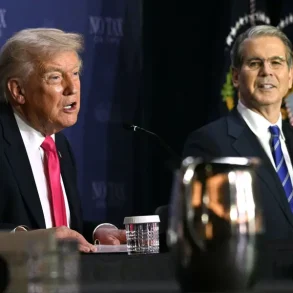
Trump is scheduled to meet with American oil and gas executives later today to discuss plans for helping rebuild Venezuela’s energy sector, which has been severely damaged by years of mismanagement, corruption, and international sanctions. Brent crude oil prices eased slightly following the president’s statement, as markets reacted to the possibility of increased Venezuelan oil production in the future.
While military pressure remains in place, the combination of prisoner releases, talks about oil infrastructure, and signals of diplomatic engagement indicate that the U.S. may be moving away from further direct military action and toward a strategy focused on long-term influence over Venezuela’s political future and its enormous oil reserves. The situation continues to unfold, with global attention focused on what comes next for Venezuela.