
The Trump administration is reportedly preparing a surprise economic deal with Cuba that could be announced soon, according to sources familiar with the plans. This development comes amid Cuba’s severe economic and fuel crisis, following aggressive U.S. actions in the region.
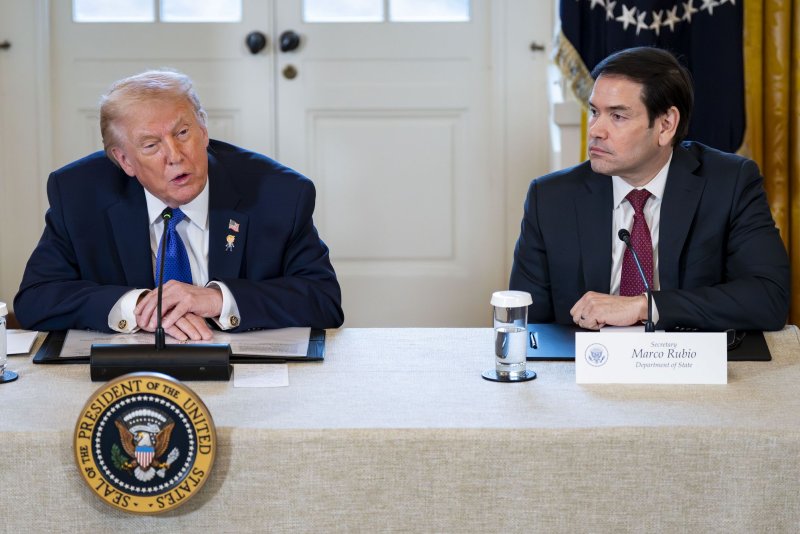
President Donald Trump has publicly teased the possibility of a deal, stating that Cuba is “at the end of the line” with no money, no oil, and a failing regime. In comments at a Latin American leaders’ summit in Doral, Florida, on March 7, 2026, Trump said negotiations are underway involving himself, Secretary of State Marco Rubio, and other administration officials. He described a potential agreement as something that “would be made very easily” and suggested it could happen quickly, perhaps after wrapping up U.S. military efforts in Iran.
The proposed deal reportedly includes easing restrictions on American travel to Havana, which Trump could implement without needing congressional approval. Discussions have also touched on broader areas like ports, energy, and tourism, as well as potentially dropping some U.S. sanctions. In exchange, the U.S. appears to seek greater economic influence over the island, making Cuba more dependent on American resources and markets rather than pursuing direct military regime change.
This approach marks a shift from earlier expectations. After the U.S. captured Venezuelan leader Nicolás Maduro in a dramatic raid in January 2026 and cut off Venezuelan oil shipments—a key lifeline for Cuba—many observers anticipated a more forceful push to topple the Cuban government led by President Miguel Díaz-Canel. Instead, the administration has opted for economic pressure combined with negotiations. Trump has emphasized his leverage, pointing to the Venezuela operation as proof of U.S. seriousness about reasserting dominance in the Western Hemisphere.
Trump’s strategy differs from that of former President Barack Obama, who eased travel and other restrictions in the later years of his presidency to promote engagement and normalization. Trump reversed many of those changes during his first term. Sources close to the current administration argue this new path is distinct because it builds on demonstrated willingness to act decisively, as seen in Venezuela, to force economic reliance rather than relying on goodwill or gradual opening.
The exact terms remain unclear, including what concessions Cuba might offer in return. Some former U.S. officials have privately questioned how close a deal truly is, and the White House has not provided official confirmation. Reports have mentioned secret talks involving Rubio and figures connected to the Castro family, though details are unconfirmed.
Trump has repeatedly framed Cuba as nearing collapse without Venezuelan support, predicting “a great new life” for the island but warning that its current communist system is in its “last moments.” He has told Cuban-American figures, like Inter Miami CF owner Jorge Mas, that travel to Cuba could soon become easier without special permission.
This potential agreement emerges against the backdrop of heightened U.S. pressure on Cuba, including threats of indictments against regime officials and ongoing economic tightening. Allies like Sen. Lindsey Graham have publicly warned that Cuba could be “next” after Venezuela. Trump has indicated he prefers to prioritize the Iran conflict first but sees Cuba as a quick follow-up.
If finalized, the deal could represent a major pivot in U.S.-Cuba relations, blending economic incentives with strategic leverage to reshape the island’s future without full-scale confrontation.