As massive anti-government protests continue to grip Iran, U.S. President Donald Trump has been briefed on new military strike options targeting the Islamic Republic. According to multiple U.S. officials speaking to The New York Times, Trump is seriously considering limited strikes in response to Iran’s violent crackdown on demonstrators, though no final decision has been made.
The protests erupted on December 28, 2025, initially sparked by a severe economic crisis. Iran’s currency, the rial, collapsed to record lows against the U.S. dollar, driving inflation to over 42% annually and pushing food prices up by more than 70%. What began as anger over rising living costs and government mismanagement quickly grew into a nationwide movement demanding an end to the Islamic Republic’s rule. Demonstrators in cities across all 31 provinces have chanted slogans like “Death to the dictator” and called for the overthrow of Supreme Leader Ayatollah Ali Khamenei.
Human rights groups report a heavy-handed response from Iranian security forces, including the use of live ammunition. The death toll varies by source, but credible accounts indicate dozens killed—ranging from at least 28 in early January reports to higher figures like 51 or more as protests intensified—along with thousands detained. A near-total internet blackout imposed around January 8 has made it harder to verify events on the ground, but videos and eyewitness accounts show widespread clashes, with some protesters setting fires and waving pre-1979 monarchy symbols.
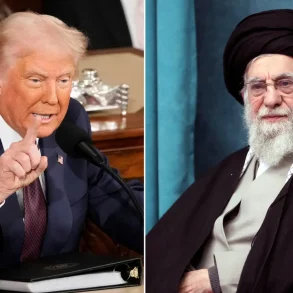
Iran’s leadership has shown no signs of backing down. Supreme Leader Khamenei has vowed a firm response, labeling protesters as “rioters” influenced by foreign powers like the U.S. and Israel. Iran’s attorney general warned that participants could face charges as “enemies of God,” a capital offense, while state media escalated threats of harsh punishment.
The unrest has drawn international attention, including solidarity demonstrations in European cities and outside the White House. Exiled opposition figure Reza Pahlavi, son of the late Shah, has urged continued protests and strikes.
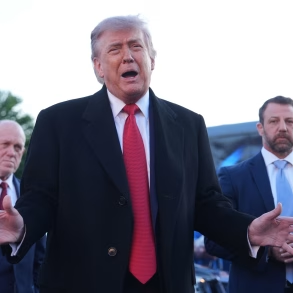
President Trump has repeatedly voiced support for the demonstrators. In public statements and social media posts, he warned that the U.S. would “hit them very hard” if Iran used lethal force against peaceful protesters. On Saturday, he posted, “Iran is looking at FREEDOM, perhaps like never before. The USA stands ready to help!” Trump emphasized no ground troops would be involved but stressed readiness to act.
The military options presented to Trump reportedly include targeted strikes on sites linked to Iran’s security services, possibly even nonmilitary locations in Tehran. U.S. officials stress the need for caution: any action must punish the regime without rallying Iranians behind it or provoking retaliation against American forces in the region. Military commanders reportedly want more time to bolster defenses before any operation.
This comes months after the U.S. conducted strikes on Iranian nuclear facilities in June 2025, known as Operation Midnight Hammer, using B-2 bombers and cruise missiles. That action followed regional tensions and prompted Iranian missile responses but also renewed negotiation offers.
Secretary of State Marco Rubio discussed the protests with Israeli Prime Minister Benjamin Netanyahu, with both leaders expressing support for the Iranian people.
As protests enter their third week, the situation remains tense. Iran’s regime faces its most significant domestic challenge in years, compounded by economic woes, recent military setbacks, and the threat of U.S. intervention. The White House has indicated its next steps will depend on how far Tehran goes in suppressing the streets. For now, the world watches as Iranians risk their lives for change.