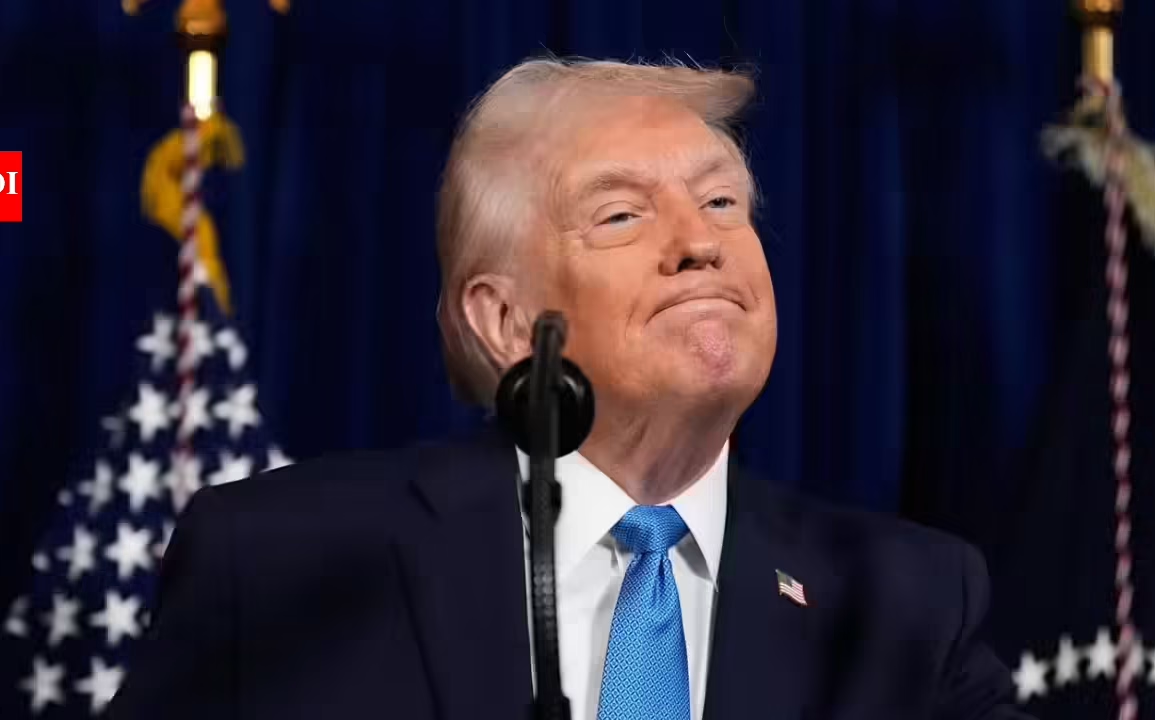
In early January 2026, the Western Hemisphere is grappling with the fallout from a bold U.S. military operation that captured Venezuelan President Nicolás Maduro and his wife, Cilia Flores, in a nighttime raid on Caracas. The operation, which involved Delta Force units and airstrikes to neutralize Venezuelan defenses, brought Maduro to New York to face long-standing narco-terrorism and drug trafficking charges. President Donald Trump has declared that the U.S. will temporarily “run” Venezuela to oversee a transition, citing the country’s vast oil reserves and the need to combat global adversaries influencing the region.
While the raid drew swift and passionate condemnation from several Latin American nations—including joint statements from Brazil, Chile, Mexico, and others decrying it as a violation of sovereignty—the response has been notably muted when Trump turned his rhetoric toward other countries. Threats against Cuba, Colombia, and Mexico have not prompted the same regional outcry or unified defense, highlighting deep divisions across Latin America at a time of heightened U.S. assertiveness.
The Venezuela Operation: A Precedent-Setting Move
The capture of Maduro marked a dramatic escalation in U.S. policy toward Latin America. Planning spanned months, with rehearsals using mockups of Maduro’s residence and coordination involving the CIA and special forces. Trump watched the operation live from Mar-a-Lago, and images of a handcuffed Maduro aboard a U.S. warship quickly circulated. The action was justified as enforcing a U.S. indictment, but critics worldwide labeled it an illegal intervention reminiscent of past U.S. actions in the region.
International reaction was mixed: praise from Trump allies and Venezuelan expatriates, but sharp rebukes from leftist governments. Yet, as Trump expanded his warnings to neighboring countries, many regional leaders and blocs remained silent, avoiding direct confrontation with Washington.
Trump’s Direct Threats and Targeted Countries
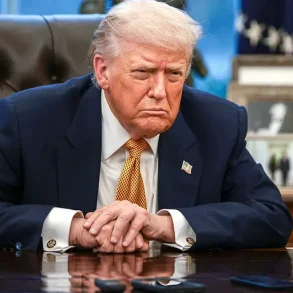
Trump’s comments, made aboard Air Force One and in interviews, signaled a broader hemispheric focus. He invoked a modern version of the Monroe Doctrine, emphasizing U.S. dominance in the region and prioritizing issues like drug trafficking, oil security, and countering influences from China, Russia, and Iran.
- Colombia: Trump has been particularly harsh toward President Gustavo Petro, a former guerrilla turned leftist leader. Accusing Petro without evidence of involvement in cocaine production and trafficking, Trump called Colombia “very sick” and run by “a sick man who likes making cocaine and selling it to the United States.” When asked if a similar operation to Venezuela’s could target Colombia, Trump replied, “It sounds good to me.” Petro responded defiantly, rallying citizens to defend sovereignty, deploying troops to the Venezuela border, and stating he would “take up arms again” if necessary—a reference to his past as an M-19 fighter. He denied the allegations, highlighting his government’s record seizures of cocaine, and warned that any arrest attempt would “unleash the people’s jaguar.” Despite the intensity, broader regional condemnation has been limited.
- Mexico: Focusing on fentanyl trafficking, Trump warned that “something’s going to have to be done” about Mexico, claiming cartels “are running” the country and drugs are “pouring through.” He has repeatedly offered—or threatened—U.S. military help to combat cartels, including potential bombings. President Claudia Sheinbaum has downplayed the risks, stating, “I don’t believe in an invasion” and emphasizing bilateral cooperation on security. She condemned the Venezuela action as interventionist but has avoided escalating rhetoric, praising ongoing joint efforts while firmly rejecting foreign troops on Mexican soil. Trump has occasionally complimented Sheinbaum personally, calling her “a terrific person,” which may contribute to a more cautious regional response.
- Cuba: Trump predicted the island’s communist government is “ready to fall” without direct U.S. intervention, as the loss of Venezuelan oil subsidies exacerbates existing shortages of electricity and goods amid U.S. sanctions. “Cuba now has no income,” he said, noting its heavy reliance on Caracas. Cuban officials have expressed alarm, with reports of public anxiety and statements warning that “the threat hangs over all” nations. The raid reportedly killed dozens of Cuban personnel protecting Maduro, prompting mourning in Havana. Secretary of State Marco Rubio, influenced by his Cuban heritage, has supported aggressive policies toward both Venezuela and Cuba.
Why the Regional Silence?
Analysts attribute the lack of unified pushback to several factors. Latin America is politically fragmented, with recent elections producing a mix of right-wing governments eager for stronger U.S. ties and leftist ones at odds with Washington. Countries like Argentina and El Salvador have aligned more closely with Trump, while others hesitate to protest for fear of becoming targets themselves.
Experts describe this as a “low point of regional cooperation,” with leaders opting to “keep their heads down.” Even allies of the targeted nations have declined to publicly bolster support for Cuba or condemn threats against Colombia and Mexico. One official noted that focus remains on Venezuela’s “extremely serious precedent,” but a move against more established democracies like Colombia or Mexico could shift dynamics.
Skepticism also plays a role: Deep economic and security ties with the U.S. make outright military action against allies like Mexico or Colombia seem unlikely to many. Venezuela was viewed as a “special case” due to its isolation and foreign influences.
Broader Implications for the Hemisphere
Trump’s approach signals a prioritization of U.S. “core interests” in the region, using military, economic, and rhetorical tools to address drugs, migration, and geopolitical rivals. Supporters see it as reclaiming American influence; critics warn of destabilization and echoes of historical interventions.
As of January 6, 2026, the situation remains fluid. Maduro’s arraignment in New York proceeds amid legal debates over the operation’s legality. Whether Trump’s threats materialize or serve as leverage, Latin America’s divided response underscores a region wary of challenging a resurgent U.S. posture. If action escalates beyond Venezuela, experts predict a potential shift toward greater unity—but for now, anxiety prevails over solidarity.