

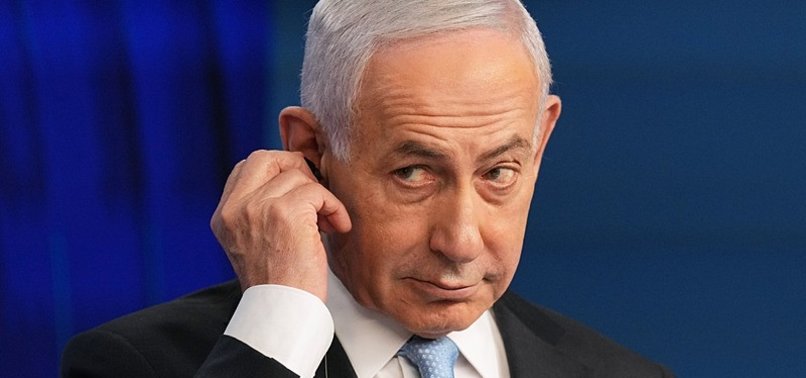
As 2025 draws to a close, tensions in the Middle East remain high despite recent claims of historic breakthroughs. Israeli Prime Minister Benjamin Netanyahu is scheduled to meet with U.S. President Donald Trump at the president’s Mar-a-Lago resort in Florida around December 29. According to multiple reports, a central focus of this meeting will be Israel’s growing alarm over Iran’s efforts to rebuild and expand its ballistic missile program, with Netanyahu expected to present options for potential new strikes.
Israeli officials have expressed increasing concern that Iran is rapidly working to restore production capabilities for ballistic missiles, which suffered significant damage during a series of Israeli and American attacks earlier in the year. While there are also worries about Iran attempting to reconstitute its nuclear enrichment facilities, sources close to the matter emphasize that the missile program is viewed as the more immediate and pressing threat.
This development comes months after a intense 12-day conflict in June 2025 between Israel and Iran. During that period, Israel conducted repeated airstrikes targeting Iran’s ballistic missile production sites, air defense systems, and other military infrastructure. The United States joined the effort in its final days with “Operation Midnight Hammer,” a large-scale bombing campaign involving over 100 aircraft, submarines, and B-2 stealth bombers. The operation deployed massive 30,000-pound bunker-busting bombs to destroy deeply buried nuclear enrichment sites—capabilities that only the U.S. could provide.
President Trump has repeatedly described these joint actions as a complete success, stating that they “obliterated” Iran’s nuclear threat and brought unprecedented peace to the region. In a national address, he claimed to have “destroyed the Iran nuclear threat and ended the war in Gaza, bringing for the first time in 3,000 years, peace to the Middle East.” However, some intelligence assessments from both American and Israeli agencies have been more cautious, suggesting that while the strikes caused severe setbacks—potentially delaying Iran’s nuclear progress by years—the program was not entirely eliminated.
Iran’s response during the June conflict was fierce: Tehran launched more than 500 ballistic missiles and around 1,100 drones toward Israel. Although Israel’s advanced defense systems intercepted most of them, some got through, resulting in 32 deaths, over 3,000 injuries, and damage to thousands of homes, universities, hospitals, and other buildings across the country. The experience left a lasting impression on Israeli leaders, who note that they were unable to stop every incoming missile.
Now, Israeli intelligence believes Iran is not only repairing the damage but potentially expanding its missile production capacity. If left unchecked, sources say, Iran could ramp up to producing as many as 3,000 ballistic missiles per year. Such a stockpile would pose a severe challenge to Israel’s air defenses, potentially overwhelming them in a future conflict. Moreover, a larger missile arsenal could serve as a deterrent, protecting Iran’s proxy forces in the region and shielding any renewed nuclear activities from preemptive strikes.
“The threat of the missiles is very real, and we weren’t able to prevent them all last time,” one former Israeli official explained. Another source with direct knowledge of Israel’s planning added that while attempts to rebuild nuclear sites are concerning, they are “not that immediate.” The rebuilding of air defense systems, particularly the advanced S-300 batteries that Israel systematically destroyed in earlier strikes, is also a priority worry for Jerusalem.
During the upcoming meeting, Netanyahu is expected to make a detailed case to Trump that Iran’s actions threaten not just Israel but the broader region, including vital U.S. interests. Reports indicate he may lay out a range of military options similar to those presented earlier in the year. Back then, during discussions in the Oval Office, Israeli officials outlined four scenarios: an entirely Israeli-led operation, limited U.S. support, full joint strikes, or even a U.S.-led campaign. Trump ultimately approved a collaborative approach for the June actions.
The Israeli leader is also likely to highlight Iran’s continued funding and arming of proxy groups across the Middle East, which Jerusalem sees as part of a broader strategy to regain strength. Officials worry that a bolstered missile program would allow Iran to protect these proxies more effectively and potentially accelerate any future nuclear ambitions under the cover of stronger defenses.
Complicating the picture is Iran’s recent signals of interest in resuming diplomatic negotiations with the United States over its nuclear program. Such talks could offer a non-military path forward, but they might also create hesitation in Washington about approving new strikes. Trump himself has sent mixed messages: while warning that any Iranian attempt to rebuild missile or nuclear capabilities would be met with swift and devastating force, he has also hinted at openness to a deal.
Adding another layer of complexity is the fragile ceasefire between Israel and Hamas in Gaza, which Trump helped broker. The agreement’s next phases—calling for Israeli troop withdrawals, the establishment of an interim governing body, and the deployment of an international stabilization force—have faced delays and disputes. Friction over implementation could make Trump less inclined to support fresh military adventures in Iran.
As the Mar-a-Lago meeting approaches, the world watches to see whether this high-level discussion leads to renewed military coordination, a push for tougher diplomacy, or something in between. For Israel, the stakes are clear: preventing Iran from regaining the offensive capabilities that could once again endanger its security. For the United States, under a president proud of his recent foreign policy achievements, any decision will balance the desire to maintain hard-won gains against the risks of opening new fronts in an already volatile region. Whatever the outcome, the conversation between these two leaders could significantly shape the trajectory of U.S.-Israeli relations and Middle East stability heading into 2026.