President Donald Trump expressed confidence that a ceasefire with Iran remains in place despite a sharp flare-up in fighting on Thursday. The president struck an optimistic tone about the chances for a negotiated deal, even as U.S. and Iranian forces exchanged attacks in the Persian Gulf region.
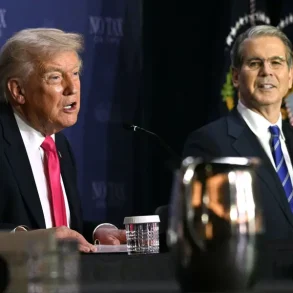
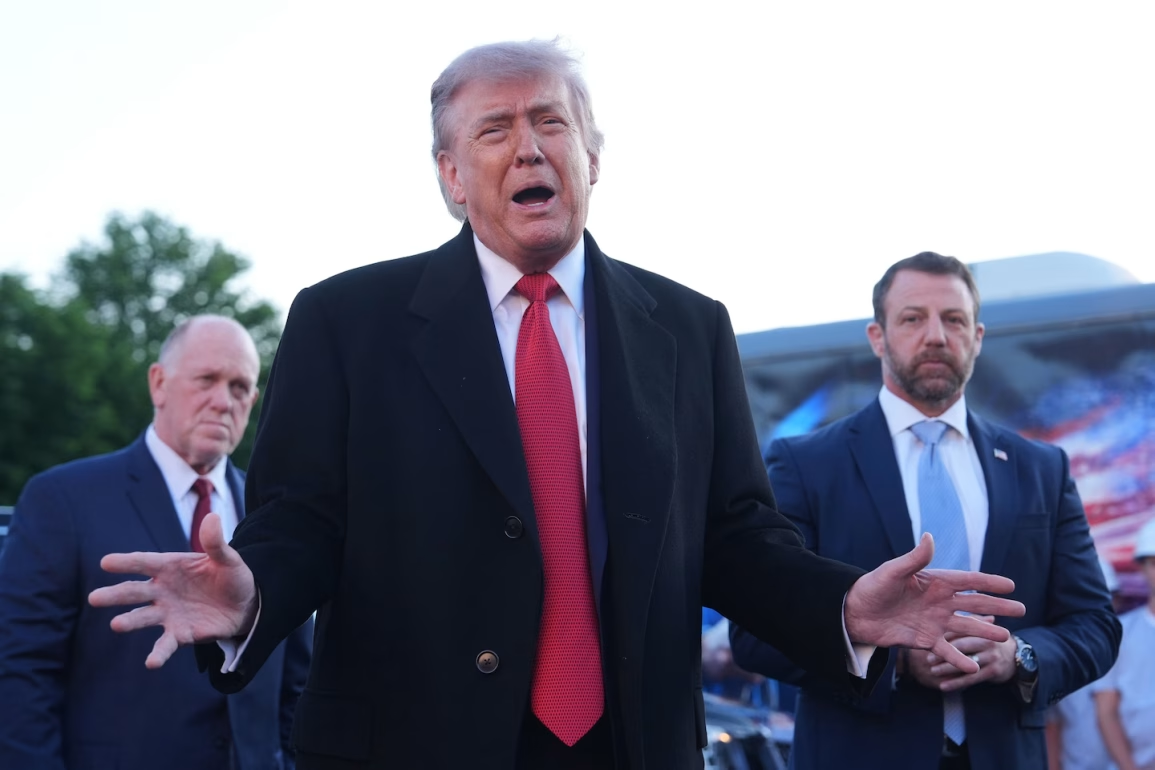
Speaking to reporters Thursday while visiting the Lincoln Memorial Reflecting Pool in Washington, which is undergoing renovation, Trump downplayed Iran’s assault on three U.S. Navy destroyers. He called the attacks “a trifle,” adding, “They trifled with us today. We blew them away.”
Trump said a final agreement with Iran “might not happen, but it could happen any day. I believe they want the deal more than I do.”
Secretary of State Weighs In
On Friday in Rome, Secretary of State Marco Rubio told reporters that the United States expects a response from Iran later in the day. “We’ll see what the response entails,” he said. “The hope is it’s something that can put us into a serious process of negotiation. I hope it’s a serious offer. I really do.”
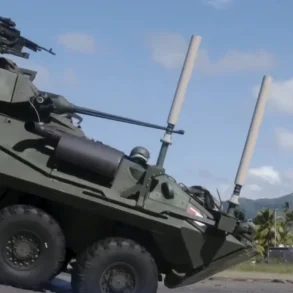
The latest violence began when Iranian forces attacked the USS Truxton, USS Rafael Peralta, and USS Mason with missiles, drones, and small boats, according to U.S. Central Command (CENTCOM). No American ships were hit. In response, U.S. forces carried out “self-defense strikes” against Iranian missile and drone launch sites, command centers, and surveillance positions.
CENTCOM said it does not want escalation but stands ready to protect U.S. troops.
Conflicting Accounts
Iran offered a very different version of events. The Islamic Revolutionary Guard Corps (IRGC) navy said it launched a “highly extensive and precise” operation against the three U.S. destroyers. Iranian officials claimed the strikes caused “significant damage” to the American vessels and were retaliation for a U.S. attack on an Iranian oil tanker the day before and for the destroyers approaching the Strait of Hormuz despite warnings.
Trump pushed back on social media, stating there was “no damage done to the three Destroyers, but great damage done to the Iranian attackers.” He said U.S. forces sank numerous small boats and easily shot down incoming Iranian missiles. “They dropped ever so beautifully down to the Ocean,” Trump said, “very much like a butterfly dropping to its grave!”
The three U.S. destroyers successfully moved through the strait and will return to helping enforce a U.S. naval blockade aimed at pressuring Iran’s economy.
Ongoing Negotiations
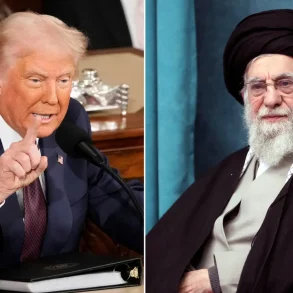
The incident is the latest twist in a week of rapid developments. The two sides have been negotiating since a conditional ceasefire began in April. Trump has called for Iran to end its nuclear program and allow free passage through the Strait of Hormuz, a critical route for global oil shipments. Iran wants the U.S. to lift its naval blockade and has suggested discussing nuclear issues only after the broader conflict ends.
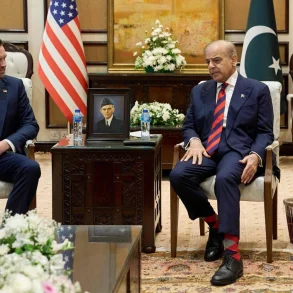
Talks have been described as complicated, with Pakistani mediators involved. On Wednesday, Trump warned he would resume bombing “at a much higher level” if Iran rejected his latest proposal.
Both sides have continued to trade blame. Iranian Foreign Minister Seyed Abbas Araghchi wrote on X that “every time a diplomatic solution is on the table, the U.S. opts for a reckless military adventure.”
Explosions were also reported near Iran’s Qeshm Island and the coastal city of Bandar Abbas. Iranian media suggested possible involvement by United Arab Emirates aircraft, though those claims have not been independently confirmed.
Regional Tensions
The fighting comes as sporadic Iranian attacks against U.S. allies, including the UAE, have continued. Gulf nations are pushing a U.N. resolution that would demand Iran stop its attacks, remove mines, and end tolling of ships in the strait. Russia and China, which have veto power on the Security Council, are expected to oppose the measure.
As of Friday morning, Iranian officials had not made public statements about the next round of talks. The situation remains tense, but both Trump and Rubio indicated they still see a path toward a diplomatic resolution.