

The United States and Iran are preparing to resume direct negotiations this weekend in Pakistan, even as military tensions and economic pressures continue to rise between the two nations.
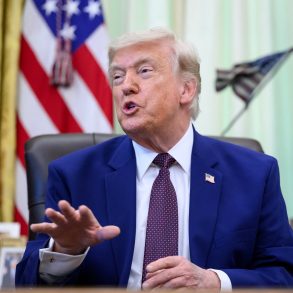
The White House confirmed that officials from the administration of Donald Trump will travel to Islamabad for a new round of talks aimed at ending the ongoing conflict. U.S. envoy Steve Witkoff and senior advisor Jared Kushner are expected to meet with Iran’s foreign minister, Abbas Araghchi. Vice President JD Vance remains on standby and could join the discussions if needed.
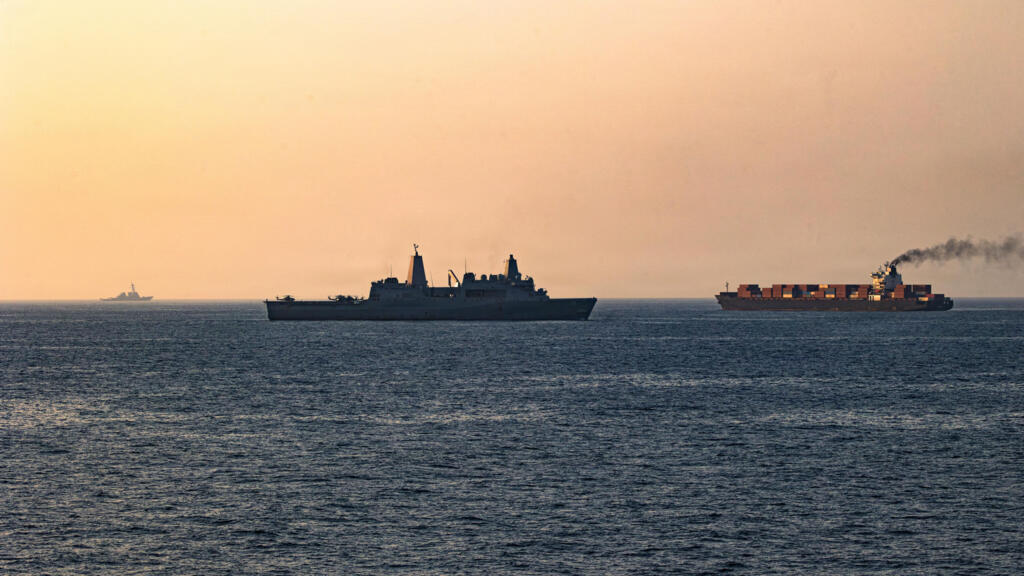
The renewed diplomatic push comes at a critical moment. Despite a temporary ceasefire, both countries have continued aggressive actions in the strategically vital Strait of Hormuz, one of the world’s most important oil transit corridors. The United States has enforced a naval blockade targeting Iranian ports, while Iran has resumed attacks on commercial vessels and seized multiple ships.
According to U.S. military officials, the blockade is tightening. General Dan Caine said 34 ships have already complied with U.S. orders to turn around. In one incident, American forces disabled an Iranian-flagged vessel that ignored warnings before boarding it. Meanwhile, shipping traffic through the strait has dropped dramatically, with only a handful of vessels passing through daily compared to roughly 140 before the conflict began.
Iran, for its part, has signaled interest in regional coordination. Araghchi stated that neighboring countries remain a priority as he travels through Pakistan, Oman, and Russia to discuss developments and potential paths forward.
At the same time, economic consequences are becoming increasingly visible. Oil prices have surged above $100 per barrel, while U.S. gas prices have climbed significantly compared to last year. The strain is being felt by consumers, and political pressure is mounting at home. A recent poll found that a majority of American voters blame the administration for rising fuel costs, with many expressing concern about the broader impact of the conflict.
Inside the Pentagon, officials continue to defend the U.S. strategy. Defense Secretary Pete Hegseth described Iran’s actions in the region as resembling “piracy” and emphasized that the blockade would remain in place indefinitely. He also called on European allies to take a more active role in securing the vital shipping route, arguing that they have more at stake economically.
The military buildup in the region underscores the seriousness of the situation. For the first time in decades, three U.S. aircraft carriers—the USS Abraham Lincoln, USS Gerald R. Ford, and USS George H.W. Bush—are operating simultaneously in the Middle East, carrying thousands of personnel and hundreds of aircraft.
As diplomatic efforts resume, both sides appear to be testing the balance between negotiation and escalation. The upcoming talks in Pakistan may offer a pathway toward de-escalation, but with military activity intensifying and economic stakes rising, the outcome remains uncertain.