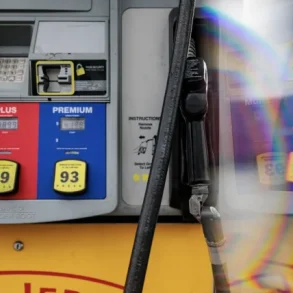
About 20 percent of the world’s oil and liquefied natural gas (LNG) normally flows through the Strait of Hormuz, a narrow waterway connecting the Persian Gulf to the Gulf of Oman. Since Iran began blocking most shipping in response to U.S. and Israeli strikes on February 28, global energy markets have been thrown into chaos. Oil prices have surged above $100 per barrel—a roughly 40 percent jump—causing fuel rationing and reduced industrial activity in many countries, especially in Asia. Malaysia recently ordered civil servants to work from home to save energy.
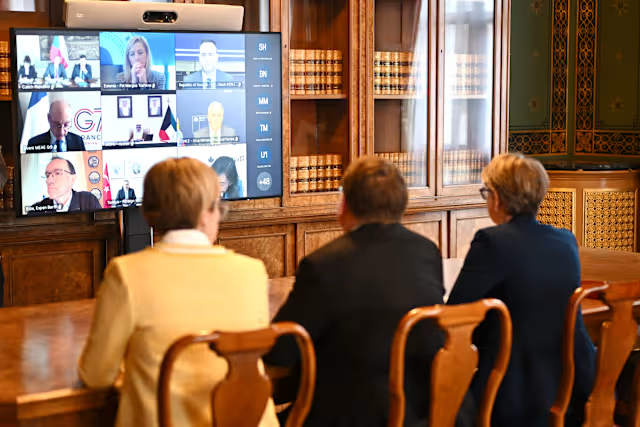
Now, British Prime Minister Keir Starmer is trying to build an international response. On Thursday, the UK hosted virtual talks with representatives from more than 40 countries to discuss ways to reopen the strait. UK Foreign Secretary Yvette Cooper chaired the meeting, which began at midday London time.
Who Is Taking Part?
The coalition includes major European nations such as France, Germany, Italy, and the Netherlands, along with Canada, Australia, and the United Arab Emirates. Several other countries that signed a recent statement pledging to help ensure safe passage through the strait are also involved. Notably, the United States is not participating.
European governments were initially reluctant to get involved, worried they might be pulled deeper into the ongoing war. However, as oil and gas prices have spiked worldwide, many EU members decided to join the UK-led effort. The goal is to show a united front without relying solely on American power.
Trump’s Position
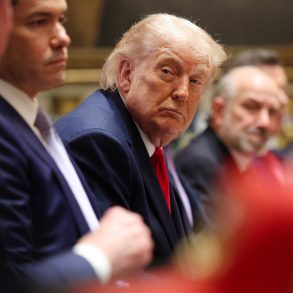
U.S. President Donald Trump has made it clear that reopening the strait is not America’s job. In public statements this week, including on Truth Social, he told European allies—including the UK—to “go get your own oil.” He criticized countries that did not support stronger action against Iran earlier and said the U.S. has already done the “hard part” by weakening Iran. Trump suggested allies should either buy American fuel or step up themselves, signaling a shift away from traditional U.S. leadership in protecting global shipping routes.
What Is the Agenda?
Prime Minister Starmer explained that the talks would focus on diplomatic and political steps to restore freedom of navigation, protect trapped ships and crews, and restart the flow of vital goods. He said the group would later bring in military planners to prepare for making the strait safe once active fighting ends.
Key challenges include clearing any landmines and providing security for oil tankers. Experts say the coalition also aims to send two important messages: first, that countries other than the U.S. are willing to act, and second, that they are not simply following Trump’s demands. It shows the UK trying to strengthen ties with both European partners and Washington while pushing for stability.
Can the Coalition Succeed?
Starmer has been honest about the difficulties, calling the task “not easy.” Iran controls parts of the strait and has demanded international recognition of its authority there as a condition for any ceasefire. So far, Iran has allowed only a few ships from countries it considers friendly—such as India, Pakistan, Malaysia, and China—to pass. Reports suggest Iranian forces are operating a kind of “toll booth” system, and parliament is considering formal transit fees.
Analysts are cautious. Christopher Featherstone from the University of York notes that the summit signals diplomatic commitment. Ian Lesser from the German Marshall Fund believes the coalition could help provide security for shipping after the war ends, but only if member nations are willing to commit naval forces—something they have hesitated to do so far. Reopening the strait by force would likely require close U.S.-European cooperation, which is currently uncertain.
Without some negotiated agreement with Iran, progress may be limited while the conflict continues. Even after a ceasefire, clearing the area and protecting tankers would take time and resources.
Why It Matters
The blockade has already stranded thousands of ships and disrupted global supply chains. Higher energy prices are raising living costs everywhere and slowing economies. Success for Starmer’s coalition could help stabilize markets and reduce pressure on ordinary people. Failure, however, risks prolonged economic pain and deeper divisions among traditional allies.
The coming days and weeks will show whether this broad but U.S.-free group can turn diplomatic talks into real action on one of the world’s most critical energy chokepoints.