The escalating U.S.-Israeli war with Iran has entered a critical phase, marked by significant leadership changes in Tehran and mounting casualties on multiple fronts.
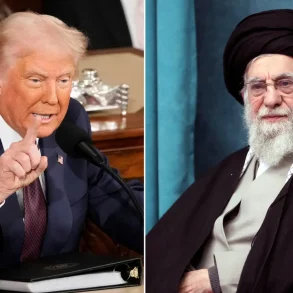
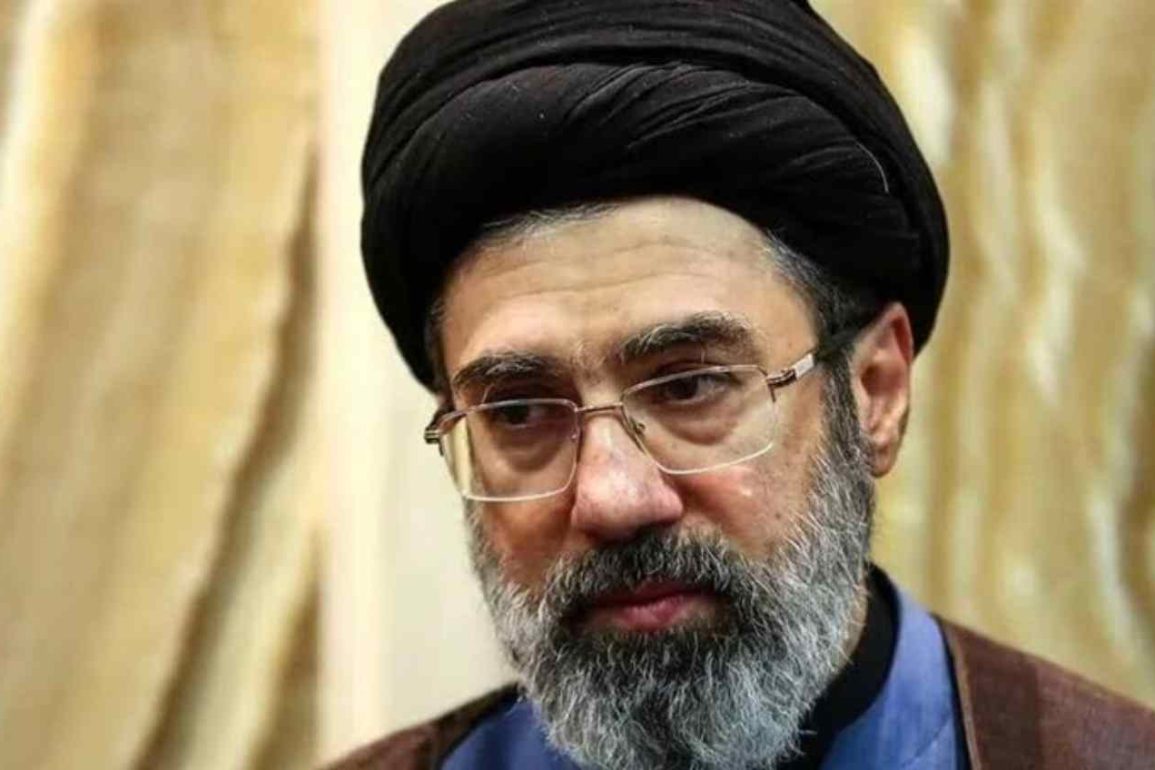
On March 8, 2026, Iranian state media reported that Mojtaba Khamenei, the second son of the late Supreme Leader Ayatollah Ali Khamenei, has been named Iran’s new supreme leader. Mojtaba, who has long wielded influence behind the scenes—particularly within the Islamic Revolutionary Guard Corps (IRGC)—succeeded his father following Ali Khamenei’s death in the initial U.S.-Israeli strikes that began the conflict on February 28. The Assembly of Experts, Iran’s clerical body responsible for selecting the supreme leader, reportedly chose him amid the ongoing war. Supporters in Iran have taken to the streets in celebration, while the IRGC has pledged allegiance to the new leader. This transition comes as Iran faces intense military pressure, with critics noting the hereditary nature of the selection.
The war, which erupted with coordinated U.S. and Israeli airstrikes targeting Iranian military infrastructure, nuclear sites, and leadership, has claimed more American lives. The U.S. Central Command announced that a seventh service member died from injuries sustained during Iran’s initial retaliatory attacks. The soldier, wounded in an assault on U.S. troops in Saudi Arabia on March 1, brings the total U.S. military deaths to seven since the conflict started.
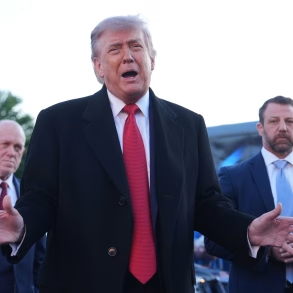
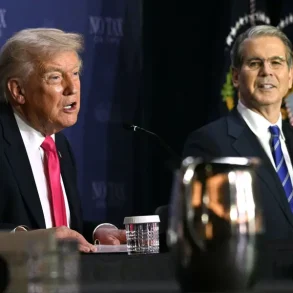
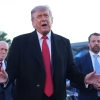
President Donald Trump has maintained a hard line, demanding Iran’s “unconditional surrender” and stating there is no fixed timetable for ending the war. In comments to reporters and CBS News, he emphasized that the U.S. has significantly weakened Iran’s military and regime, vowing to expand targets inside the country. Defense Secretary Pete Hegseth reinforced this resolve in a “60 Minutes” interview, acknowledging more casualties ahead but saying they would only strengthen American determination to finish the fight.
Iranian President Masoud Pezeshkian has warned of escalated responses, threatening further attacks on American targets across the Middle East in retaliation for ongoing strikes.
The conflict has spread beyond Iran, disrupting energy infrastructure and civilian life in neighboring countries. Bahrain’s state oil company, Bapco, declared force majeure on international shipments after an apparent Iranian attack set its Sitra refinery ablaze, sending thick smoke into the air. While local demand can still be met, the incident highlights growing risks to Gulf oil operations. Separately, an Iranian drone attack on Sitra injured at least 32 people, including children as young as 2 months, with several requiring surgery.
Saudi Arabia condemned Iran after a thwarted drone attack on its Shaybah oil field and reported its first war-related deaths: two foreign residents killed and others wounded when a projectile struck a residential area. Fires also broke out at facilities in the United Arab Emirates.
A particularly tragic incident has drawn sharp criticism: a February 28 strike near Minab destroyed a girls’ elementary school, killing at least 168–175 people, mostly children. Preliminary U.S. assessments indicate American forces were likely responsible, possibly due to outdated intelligence that misidentified the site as part of an Iranian military installation. Six Democratic senators expressed horror at the reports, calling for a thorough investigation into the strike and Defense Secretary Hegseth’s approach to rules of engagement. The tragedy has fueled concerns about civilian casualties in the campaign.
Israeli forces have continued operations, launching strikes on central Iran, Tehran infrastructure, and detecting Iranian missile launches toward Israel. The U.S. has lost nine MQ-9 Reaper drones, costing over $270 million.
Diplomatic efforts persist amid the violence. French President Emmanuel Macron urged Iran’s president to halt regional strikes and ensure navigation through the Strait of Hormuz. Israeli officials have outlined hopes for a transitional government in Iran, guided by the U.S. and allies, to empower opposition groups and minorities toward eventual democracy—though questions remain about the timeline and feasibility.
As attacks intensify and civilian impacts grow, the war shows no immediate signs of resolution, with both sides vowing continued action.