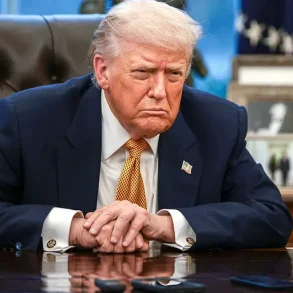

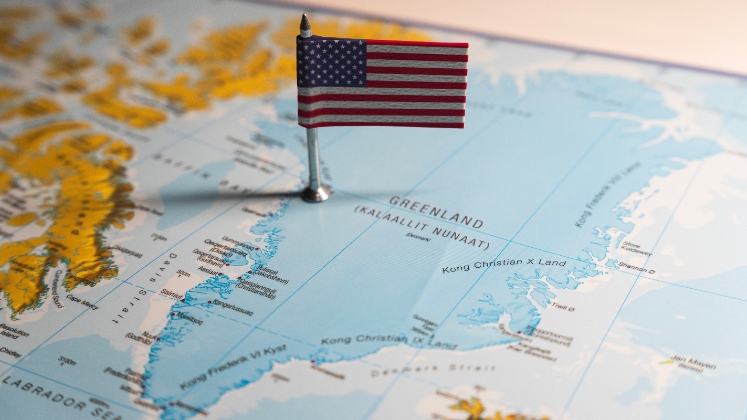
President Donald Trump escalated his long-standing push to bring Greenland under U.S. control on January 16, 2026, by threatening to impose tariffs on countries that refuse to support the idea. Speaking at a White House roundtable on rural health care, Trump—self-described as the “tariff king”—suggested using economic pressure to achieve what he sees as a critical national security goal.
Trump argued that Greenland, a semi-autonomous territory of Denmark and a NATO ally, is essential for U.S. interests. He highlighted its strategic location in the Arctic, rich mineral resources, and importance for shipping routes and defense. “We need Greenland for national security very badly,” he said. “If we don’t have it, we have a big hole in national security.” He linked the territory to broader concerns, including potential threats from Russia and China in the region.
The comments came during a discussion about how Trump had used tariff threats to force other countries to raise drug prices for their citizens, allowing lower costs in the U.S. “I may do that for Greenland, too,” he declared. “I may put a tariff on countries if they don’t go along with Greenland because we need Greenland for national security. I may do that.” He did not specify which countries might face the tariffs, how high they would be, or exactly how they would be applied.
This marks a new tactic in Trump’s campaign for Greenland, which he has pursued since returning to office. Previously, he floated buying the island outright or, in extreme cases, refused to rule out military action—despite the U.S. and Denmark being NATO partners bound by mutual defense commitments. Trump mentioned ongoing talks with NATO about the issue but provided no details.
The threat drew sharp backlash from Denmark and Greenland. Danish Foreign Minister Lars Løkke Rasmussen, after meeting U.S. Vice President JD Vance and Secretary of State Marco Rubio on January 14, called Trump’s desire to “conquer” Greenland “totally unacceptable.” He emphasized that the matter is not negotiable and that only Denmark and Greenland can decide their future. Greenland’s leaders have repeatedly stated they want to remain tied to Denmark, not join the U.S.
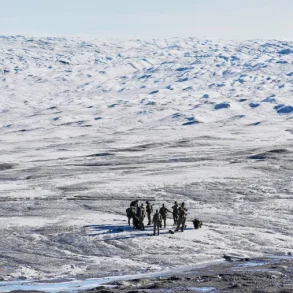
In response to the tensions, European NATO allies—including France, Germany, Norway, and Sweden—sent troops to Greenland for joint military exercises with Danish forces. French President Emmanuel Macron announced the deployment as a show of support. Denmark’s military commander in the Arctic stressed that the focus remains on countering Russia, not defending against a U.S. ally, dismissing conflict between NATO members as “hypothetical.”
On the U.S. side, a bipartisan congressional delegation—including Republicans like Sen. Lisa Murkowski and Democrats like Sen. Chris Coons—traveled to Copenhagen on January 16 to meet Danish and Greenlandic officials. The group aimed to “lower the temperature” and reassure allies that many in Congress oppose any forceful takeover. Coons described the discussions as constructive, noting that the issue should not divide along party lines but strengthen long-standing alliances.
Polls indicate broad American opposition to acquiring Greenland by force, even among many Republicans, though support for a voluntary deal varies. Trump’s special envoy to Greenland, Jeff Landry, said he plans to visit in March and remains optimistic about reaching an agreement.
The episode highlights growing strains in U.S.-European relations under Trump’s aggressive approach to trade and security. While Trump touts tariffs as a successful tool—pointing to past pressures on China and others—the Supreme Court may soon rule on the legality of some of his unilateral tariff actions. For now, the Greenland dispute remains unresolved, with diplomacy continuing amid heightened rhetoric.