

In high-level meetings held in Washington on January 14, 2026, Danish and Greenlandic officials sat down with top U.S. figures, including Vice President JD Vance and Secretary of State Marco Rubio. The main topic was President Donald Trump’s ongoing push for the United States to gain control over Greenland, the world’s largest island and a semiautonomous territory of Denmark.
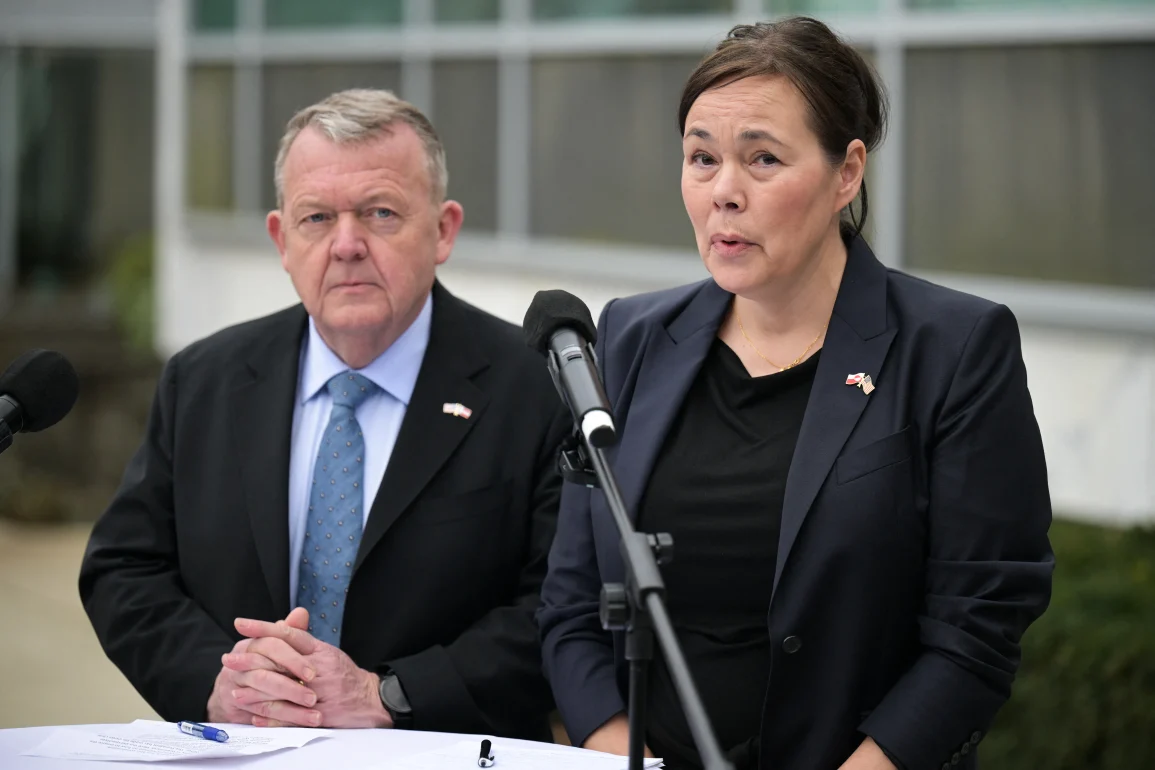
Danish Foreign Minister Lars Løkke Rasmussen described the discussions as frank but constructive. He made it clear, however, that a fundamental disagreement remains with the Trump administration’s position. “The president has this wish of conquering over Greenland,” Rasmussen told reporters following the White House talks. He stressed that any path forward must respect Denmark’s “red lines,” particularly the territorial integrity of the Kingdom of Denmark and the right of self-determination for the people of Greenland.
Greenland Foreign Minister Vivian Motzfeldt took part in the meetings alongside Rasmussen and expressed cautious hope that continued dialogue could help. “We have shown where our limits are and from there, I think that it will be very good to look forward,” she said.
Both sides agreed to form a high-level working group to explore possible ways to address differences. The group is expected to focus on U.S. security concerns while staying within Denmark’s non-negotiable boundaries. Despite this step, Rasmussen reiterated that any proposal violating Denmark’s sovereignty or Greenlandic self-determination is unacceptable.
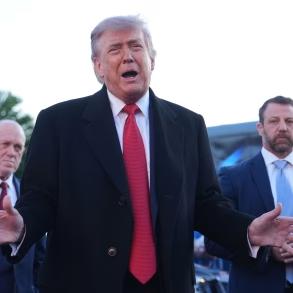
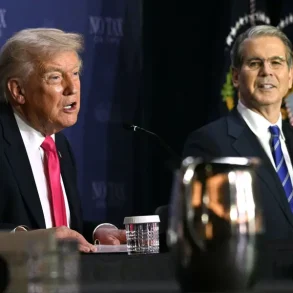
President Trump, who did not participate in the meeting, continued to press his case. In a Truth Social post, he stated that “anything less” than full U.S. control of Greenland is unacceptable. He argued that American ownership would strengthen NATO, bolster national security, and support projects such as the “Golden Dome” missile defense system. Trump also claimed that without U.S. control, Russia or China could increase their influence in the Arctic.
Later, speaking to reporters, Trump struck an optimistic tone: “We need Greenland for national security. We’ll see how it all works out. I think something will work out.” He suggested that NATO itself should take the lead in placing Greenland under American control.
Greenland’s growing strategic importance stems largely from climate change. As ice melts, new shipping routes to Asia are opening, and vast deposits of critical minerals—essential for modern technology—become more accessible. Trump has pointed to these factors, along with alleged threats from Russia and China, to justify his position. Many Greenlanders and independent experts, however, question those security claims and see resource interests as a bigger driver.
In Nuuk, Greenland’s capital, local residents voiced skepticism about the U.S. arguments. One person described the interest as focused on “oils and minerals that we have that are untouched,” while another emphasized that Greenland is simply home, with beautiful nature and welcoming people.
In response to the heightened tensions, Denmark announced it would significantly increase its military presence in the Arctic and North Atlantic. This includes additional aircraft, ships, soldiers, and coordination with NATO allies. Several European countries—Germany, France, Norway, and Sweden—have begun sending personnel to take part in exercises or explore further cooperation around Greenland.
The United States already maintains a military presence on the island under the terms of a 1951 defense treaty, and Denmark has indicated willingness to expand basing rights. Full ownership, however, remains firmly off the table.
On Capitol Hill, Rasmussen and Motzfeldt also met with a bipartisan group of senators from the Arctic Caucus. Several senators voiced serious concern that Trump’s approach could harm NATO unity and even benefit adversaries such as Russia. Republican Sen. Lisa Murkowski of Alaska called the discussions “stunning,” while Independent Sen. Angus King of Maine dismissed the idea that U.S. ownership is required for national security.
A bipartisan delegation of U.S. lawmakers is now planning a visit to Copenhagen to demonstrate solidarity with Denmark.
The dispute is creating visible strain within NATO. European leaders, including French President Emmanuel Macron and European Commission President Ursula von der Leyen, have firmly rejected any challenge to Danish sovereignty and stressed respect for the wishes of Greenland’s people.
Although the newly formed working group provides a channel for further talks, the deep divide over Greenland’s future shows no sign of being quickly resolved.