
On August 15, 2025, U.S. President Donald Trump met with Russian President Vladimir Putin at Joint Base Elmendorf-Richardson in Anchorage, Alaska, with the ambitious goal of negotiating an end to Russia’s ongoing war in Ukraine. The summit, highly anticipated due to Trump’s campaign promise to resolve the conflict swiftly, ended without a breakthrough, leaving both leaders and observers grappling with the outcome. Described as a “flummoxing summit” by USA TODAY’s Susan Page, the meeting failed to achieve its primary objective—a ceasefire—and revealed deep complexities in the path to peace. This article provides a detailed examination of the summit, incorporating key quotes from original sources, analyzing the leaders’ statements, and exploring the broader implications for Ukraine, Russia, and the international community, written at an 11th-grade reading level.
A Warm Welcome, but a Cold Outcome
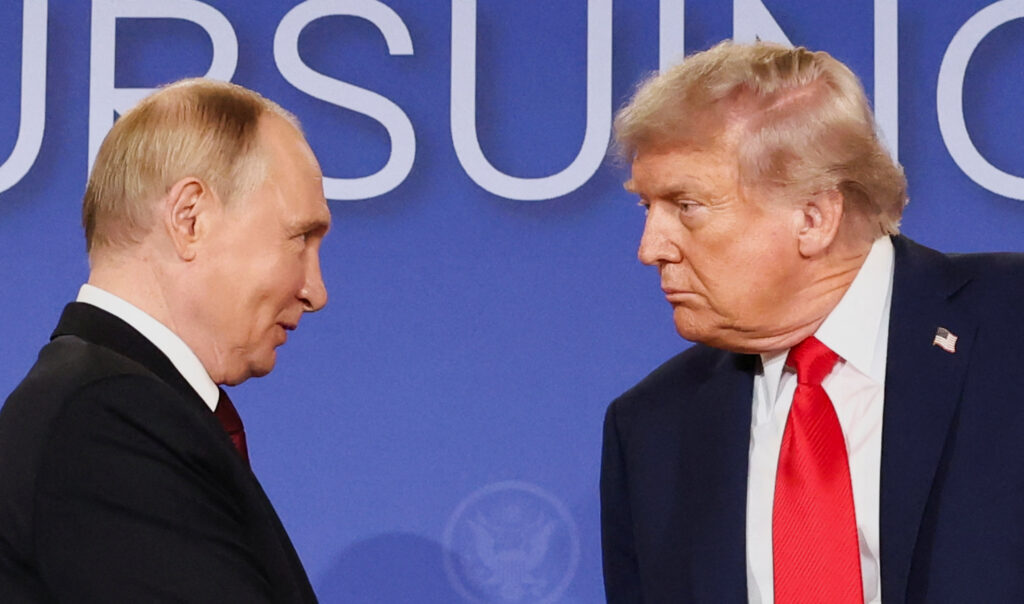
The summit began with a tone of optimism and camaraderie. Trump greeted Putin with a lengthy handshake as the Russian leader stepped off his plane, a gesture that set a “congenial tone” for the negotiations, as reported by Alastair McCready for Al Jazeera. The red-carpet treatment and a rare ride for Putin in “The Beast,” the U.S. president’s armored limousine, underscored the diplomatic significance of the event. For Putin, who had been largely isolated from Western leaders since Russia’s invasion of Ukraine in February 2022, this warm welcome was a symbolic victory. “He looked delighted to be back on U.S. soil for the first time in a decade,” Page noted, highlighting the boost to Putin’s international standing.
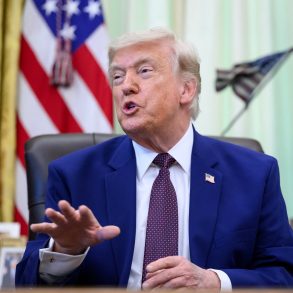
However, the initial warmth quickly gave way to a more subdued atmosphere. The meeting, expected to last seven hours, concluded in less than three, with no significant progress toward a ceasefire. Both leaders addressed journalists in brief, pre-prepared statements, avoiding questions—a stark contrast to the open dialogue anticipated. Trump appeared “tired, annoyed, and worried,” according to Page, while Putin maintained a “small smile” and even teased a future meeting in Moscow, speaking in English to ensure his point was clear. This contrast in demeanor underscored the summit’s outcome: a diplomatic win for Putin, but a setback for Trump’s ambitions.
Key Takeaways from the Summit
1. No Deal and Shifting Goals
The summit’s failure to produce a ceasefire was a significant disappointment, particularly for Trump, who had campaigned on ending the Ukraine war on his first day in office—a promise now over 200 days overdue. “So there’s no deal until there’s a deal,” Trump admitted during the post-summit press conference, a phrase that echoed his frustration and acknowledged the lack of concrete progress. This statement, reported by both Al Jazeera and USA TODAY, reflected Trump’s recognition that his self-styled reputation as a master negotiator, as outlined in his book The Art of the Deal, faced a formidable challenge.
More strikingly, Trump shifted his position post-summit. Before the meeting, he had emphasized the need for a ceasefire as a prerequisite for peace talks, aligning with Ukraine and its European allies. However, after the summit, he endorsed a new approach, stating on Truth Social, “It was determined by all that the best way to end the horrific war between Russia and Ukraine is to go directly to a Peace Agreement, which would end the war, and not a mere Ceasefire Agreement, which often times do not hold up.” This pivot aligned closely with Putin’s long-standing preference for a comprehensive settlement over a temporary pause, raising concerns among Ukraine’s supporters about the implications of bypassing a ceasefire.
2. Putin’s Demands and Zelenskyy’s Resistance
A critical sticking point emerged from Putin’s reported demands. According to a Reuters source, Putin offered to freeze most front lines if Ukraine ceded all of Donetsk, a key industrial region in eastern Ukraine, where Russia already controls about three-quarters of the territory. Ukrainian President Volodymyr Zelenskyy rejected this demand outright, as it would require constitutional changes and the surrender of strategic “fortress cities” like Sloviansk and Kramatorsk, which Ukraine views as essential defenses against further Russian advances.
Putin’s public remarks reinforced his hardline stance. He stated that Russia was committed to ending the war but insisted that the conflict’s “primary causes” must be addressed for any agreement to be lasting. He also warned Ukraine and the European Union against “throwing a wrench in the works” through “backroom dealings” or “provocations,” as reported by McCready. These comments suggested Russia’s reluctance to compromise on its territorial and strategic goals, including its opposition to Ukraine’s potential NATO membership.
Zelenskyy, in contrast, emphasized the importance of halting hostilities as a foundation for peace. “Stopping the killing is a key element of stopping the war,” he posted on X, highlighting his belief that a ceasefire is essential to any meaningful negotiations. His rejection of Putin’s demands and his insistence on security guarantees underscored Ukraine’s determination to protect its sovereignty and territorial integrity.
3. Trump’s Alignment with Putin
Trump’s post-summit rhetoric raised eyebrows, as it appeared to align more closely with Moscow’s position. In an interview with Fox News’ Sean Hannity, Trump revealed that he and Putin had discussed “land transfers and security guarantees for Ukraine” and had “largely agreed.” He urged Zelenskyy to “make a deal,” stating, “Look, Russia is a very big power, and they’re not,” a comment that seemed to pressure Ukraine to concede to Russia’s demands. This stance marked a departure from Trump’s pre-summit insistence on a ceasefire and drew criticism from European observers. Wolfgang Ischinger, a former German ambassador, posted on X, “Putin got his red carpet treatment with Trump, while Trump got nothing,” describing the summit as “1-0 for Putin.”
Trump’s chummy tone toward Putin, even after the summit’s failure, stood in contrast to the frustration expressed by his predecessors—Barack Obama, Joe Biden, and George W. Bush—who faced similar challenges in dealing with the Russian leader. Trump’s comment, “We got along great,” and his use of Putin’s first name, “Vladimir,” suggested a personal rapport that persisted despite the lack of progress.
4. European and Ukrainian Reactions
European leaders, while acknowledging Trump’s efforts, reaffirmed their commitment to supporting Ukraine. German Foreign Minister Johann Wadephul indicated that European leaders might join Zelenskyy at a planned White House meeting with Trump on August 18, signaling a united front. British Prime Minister Keir Starmer praised Trump’s initiative but vowed to impose more sanctions on Russia if the war continued. European leaders issued a statement emphasizing that Ukraine must have “ironclad” security guarantees and unrestricted rights to pursue NATO membership, directly countering Russia’s demands.
Zelenskyy’s upcoming meeting with Trump carries high stakes, particularly given a previous encounter in February 2025, where Trump and Vice President JD Vance publicly criticized Zelenskyy for insufficient gratitude and for obstructing peace efforts. “Now it is really up to President Zelenskyy to get it done,” Trump told Hannity, hinting at a potential three-way meeting with Putin and Zelenskyy to follow. For Ukraine, the fear is that Trump’s push for a quick deal could pressure Kyiv into concessions that undermine its sovereignty.
5. The Broader Context of the War
The Russia-Ukraine war, launched with Russia’s full-scale invasion in February 2022, has been the deadliest conflict in Europe in 80 years, with over a million casualties, including thousands of Ukrainian civilians, according to analysts cited by Reuters. Russia’s gradual advances, particularly in Donetsk, have intensified the urgency of finding a resolution. However, the summit’s failure to produce a ceasefire or clear path forward has left the conflict’s trajectory uncertain.
Trump’s earlier threats of “very severe consequences” and secondary sanctions on Russia, which had a deadline of August 8, were notably absent from his post-summit remarks. Instead, he mentioned postponing tariffs on China for purchasing Russian oil, suggesting a possible softening of his stance on pressuring Moscow’s allies.
Implications and Future Prospects
The Alaska summit highlighted the challenges of negotiating peace in a complex, high-stakes conflict. For Trump, the failure to secure a ceasefire was a setback to his campaign promise and his image as a dealmaker. His pivot to endorsing a peace agreement without a prior ceasefire has raised concerns among Ukraine’s allies about the potential for a deal that favors Russia’s interests. “The fear among Ukraine’s supporters is a replay of the last time the Ukrainian leader was in the Oval Office,” Page wrote, referencing the February 2025 meeting where Zelenskyy faced harsh criticism.
For Putin, the summit was a diplomatic coup, ending his isolation and reinforcing Russia’s position as a formidable power. His relaxed demeanor and suggestion of a future meeting in Moscow underscored his confidence in maintaining the upper hand. However, his insistence on territorial concessions and opposition to Ukraine’s NATO aspirations suggest that Russia is unlikely to compromise without significant pressure.
Zelenskyy faces a delicate balancing act. His rejection of Putin’s demands reflects Ukraine’s resolve, but the pressure from Trump to “make a deal” could complicate Kyiv’s negotiations with its Western allies. The planned August 18 meeting in Washington, potentially involving European leaders, will be critical in shaping the next steps.
Conclusion
The Trump-Putin summit in Alaska, intended as a pivotal moment to end the Russia-Ukraine war, instead underscored the deep divides between the parties involved. As Trump himself stated, “There’s no deal until there’s a deal,” encapsulating the ongoing challenge of finding common ground. With Zelenskyy set to meet Trump in Washington and European leaders vowing to maintain pressure on Russia, the path to peace remains fraught with obstacles. The summit’s outcome serves as a reminder of the complexities of international diplomacy and the high stakes for Ukraine’s future in the face of Russian aggression.