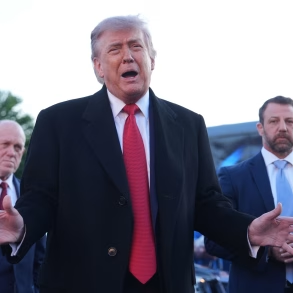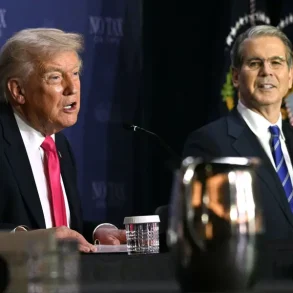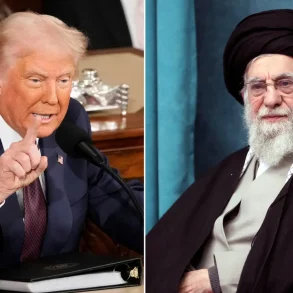
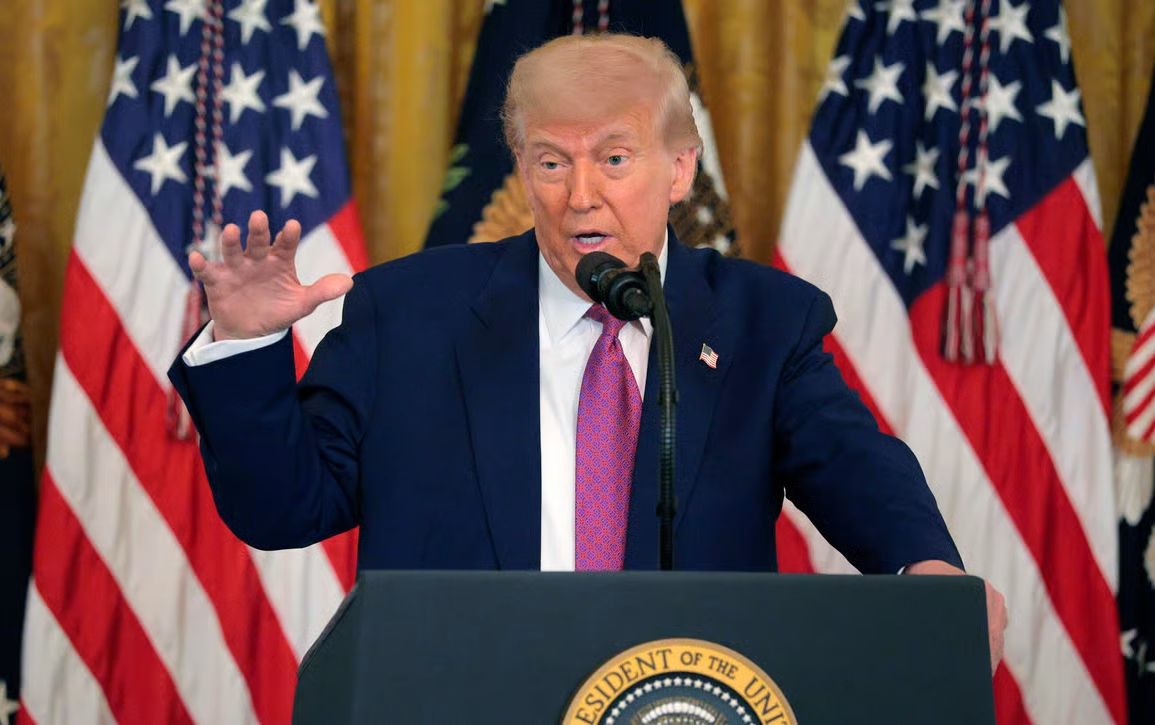
U.S. President Donald Trump issued a stark warning on his Truth Social platform early Saturday, declaring, “Today Iran will be hit very hard!” He added that areas and groups previously off-limits were now “under serious consideration for complete destruction and certain death” due to Iran’s “bad behavior.” This came after Trump had repeatedly demanded Iran’s “unconditional surrender” as the only path to ending the war, rejecting any negotiated deal short of that.
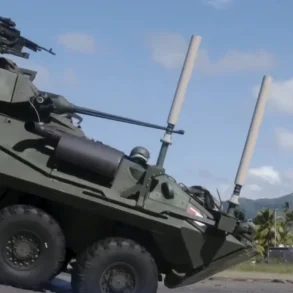
Trump’s comments followed reports of expanded U.S. and Israeli airstrikes targeting Iranian military sites, including a military academy, an underground command center, and a missile storage facility. Pre-dawn images showed flames and smoke rising from Tehran’s Mehrabad International Airport, one of the capital’s main gateways.
Iran’s Defiant Response
Iranian President Masoud Pezeshkian responded with strong defiance in a state television address. He rejected calls for surrender, stating that Iran’s enemies “must take their wish for the unconditional surrender of the Iranian people to their graves.” Pezeshkian emphasized that Iran would never yield to the United States or Israel.
Despite heavy losses to its military infrastructure over the past week, Iran demonstrated continued offensive capability. It launched missiles and drones toward Israel, as well as Gulf cities including Dubai, Manama, and areas near Riyadh. Air raid alerts sounded in Jerusalem, and explosions were reported. The UAE intercepted numerous projectiles, though one struck near Dubai’s airport, with footage showing damage close to parked planes and a train.
Jordan reported that Iran had targeted its vital installations with missiles and drones over the week. Pezeshkian issued an apology to Gulf neighbors—many hosting U.S. military bases—stating they would only be targeted if used as launch points for attacks against Iran.
Iran’s Revolutionary Guards claimed responsibility for firing on an oil tanker in the Gulf attempting to navigate the Strait of Hormuz, a critical global shipping route that Iran has threatened to disrupt.
Origins and Human Toll
The war began on February 28, 2026, with joint U.S.-Israeli airstrikes that killed Iran’s Supreme Leader Ayatollah Ali Khamenei and other key figures. The strikes aimed to dismantle Iran’s missile programs, military capabilities, and alleged nuclear ambitions, though the Trump administration has offered varying explanations for the timing and goals.
Inside Iran, civilian casualties have mounted. The health ministry reported 926 deaths and about 6,000 injuries as of late last week, figures that remain unverified independently. Residents describe growing fear, with constant explosions, damaged infrastructure, and heavy security presence in Tehran streets. One anonymous 26-year-old teacher told reporters, “When you hear the bombs, you have no idea where they will hit.”
The conflict has spread beyond Iran to Lebanon, where Israel intensified strikes on Hezbollah strongholds in Beirut’s southern suburbs. Lebanon’s health ministry reported at least 217 deaths from Israeli airstrikes, warning of an impending humanitarian crisis. Israeli officials have pressured Lebanon to disarm Hezbollah.
Broader impacts include U.S. military losses—six service members killed, with Trump attending a dignified transfer ceremony—and disruptions to global markets, with surging oil prices and slumping stocks amid fears of prolonged fighting.
International Reactions and Outlook
Iran’s UN ambassador insisted that leadership succession would follow constitutional processes without foreign interference, rejecting any U.S. role in choosing a replacement for Khamenei. Trump has suggested helping rebuild Iran’s economy under a leader “acceptable” to him.
Russia and China have largely stayed on the sidelines, though Russian President Vladimir Putin called for an immediate ceasefire in a conversation with Pezeshkian. U.S. Defense Secretary Pete Hegseth downplayed reports of Russian intelligence support to Iran.
With no clear end in sight and both sides vowing to press on, the conflict risks further regional destabilization and global economic fallout.