

In a tense moment for global politics, with U.S. military forces gathering in the Middle East, foreign policy expert William F. Wechsler shares his bold predictions about what might happen next between the United States and Iran. Writing from Washington on February 21, 2026, Wechsler draws on years of experience to outline possible scenarios, even though predicting wars is risky. He argues that while outsiders like him usually avoid public guesses, sharing informed views can help leaders make better choices. As talks drag on and strikes seem more likely, here are his ten predictions, each with a confidence level based on current events like Iran’s weakened position after losses in Syria, Lebanon, and its own nuclear sites, plus ongoing protests and economic collapse.
1. Iran’s Supreme Leader Won’t Offer a Strong Deal (High Confidence)
Ayatollah Ali Khamenei, Iran’s top leader, has seen his regime lose power dramatically over the last year and a half. Israel has hit Iranian defenses hard, the Syrian government fell, and U.S. strikes damaged Iran’s nuclear program. Protests at home were crushed brutally, and the economy is in freefall. For any real deal, Iran would need to give up all uranium enrichment—the process that could lead to nuclear weapons—and limit its missiles and proxy groups. But Wechsler sees no sign Khamenei will budge, even for full sanctions relief. Instead, Iranian diplomats are stalling talks, shifting focus away from their crackdowns.
2. President Trump Won’t Accept a Weak Deal (Moderate Confidence)
Donald Trump has always said he wants a deal with Iran and has shown flexibility before. In his first term, he might have taken a so-so agreement just to claim victory, like how Mexico reworked NAFTA. Early in his second term, he even hinted at a lighter version of Obama’s old nuclear deal. But after Iran’s delays and big strategic shifts, Trump likely won’t settle for something weak now. Leaks suggest the U.S. might still allow some Iranian enrichment, which keeps Wechsler’s confidence only moderate—Trump’s past leans toward deals.
3. If Trump Seems Open to a Weak Deal, Israel Will Strike First (High Confidence)
Israeli Prime Minister Benjamin Netanyahu won’t let a bad deal slide. Last June, when a weak agreement looked possible, Israel attacked Iran preemptively, pulling the U.S. in to hit nuclear sites. It worked, reversing Trump’s path. With Israeli elections coming, Netanyahu would likely do it again if needed, prioritizing his politics over U.S. ties. Trump might try to stop him, but his hedging history makes that uncertain.
4. Trump Will Get Three Main Options: “Enforce,” “Degrade,” or “Remove” (High Confidence)
Advisers will likely present Trump with three strike plans. “Enforce” targets Iran’s security forces—like the IRGC and Basij militia—behind the protest crackdowns, lasting just a night or two with limited deaths. “Degrade” goes bigger, hitting leftover nuclear sites, missiles, drones, and factories, and might need repeats every few months. “Remove” aims to topple the regime by striking leaders, command centers, and symbols of oppression, though history shows airstrikes alone rarely change governments—no U.S. ground troops expected. Trump could mix elements from all three.
5. Trump Will Pick “Enforce” (Low Confidence)
Trump backed himself into a corner by promising help to Iranian protesters, then watching the regime kill them without acting—echoing past U.S. failures like in Hungary (1956) or Iraq (1991). He can’t just pull back the massive U.S. forces without looking weak. But Trump hates war and fears escalation, so he’ll likely choose the limited “Enforce” option to enforce his “red line” without starting a full conflict. This shifts focus back to protests. Military leaders might push “Degrade,” but Trump could ignore them, and probably keep Israel out. Confidence is low because Trump can be impulsive, like when he ordered the 2020 killing of Iranian general Qasem Soleimani, which paid off strategically.
6. Iran Will Respond Symbolically (Moderate Confidence)
If hit with “Enforce,” Iran won’t stay quiet—it’s never done that. But if Khamenei sees Trump’s strikes as limited, he’ll order a showy but harmless response, like last year’s fake “attack” on a U.S. base that matched bomb counts without real damage. This time, it could target a carrier or headquarters symbolically. Anything more would be foolish with U.S. forces so strong. Still, Iran’s recent bad calls—like direct strikes on Israel—lower confidence; leaders might misjudge again, especially an aging Khamenei seeking martyrdom.
7. If Iran Escalates, Trump Will Switch to “Degrade” but Stop Early (High Confidence)
A real Iranian attack causing U.S. deaths would force Trump to ramp up to “Degrade,” maybe letting Israel join. But like last June, he’d end it quickly once Iran backs off, hopefully demanding direct talks this time to halt strikes.
8. Iranians Will Protest Again After U.S. Strikes (Moderate Confidence)
The regime’s brutality might scare people silent, like how Syria’s 1982 massacre stopped revolts for decades. But experts often underestimate protesters’ bravery, as seen in the Iranian Revolution, Arab Spring, and recent falls of leaders like Mubarak and Assad. Iranians have risen repeatedly, from 2022’s “Women, Life, Freedom” movement to January’s uprisings. Next time, U.S. actions—not just words—and nearby forces could inspire a massive push to end the regime after 46 years.
9. The Regime Will Massacre Protesters Again (High Confidence)
If protests explode, the regime will see them as a death threat and respond with mass killings—thousands or tens of thousands dead, just like before. No other choice for survival.
10. If More Massacres Happen, Trump Will Go to “Degrade” and “Remove” (High Confidence)
This would trap Trump: punish Iran once, only for it to cross the line again, wrecking U.S. credibility. Escalation to full war follows, existential for both sides—Iran’s regime survival versus America’s superpower status. Outcomes are unpredictable: U.S. could destroy Iran’s forces and leaders (with Israel), opening regime change. Or Iran hits back at ships, cities, or oil sites, causing chaos like economic hits to Dubai or Saudi Arabia. Politically, a new Iran might be anti-U.S. and brutal, spark civil war, restore monarchy, or something else—no one predicted Russia’s Bolsheviks after World War I. Democracy? Unlikely, say most experts.
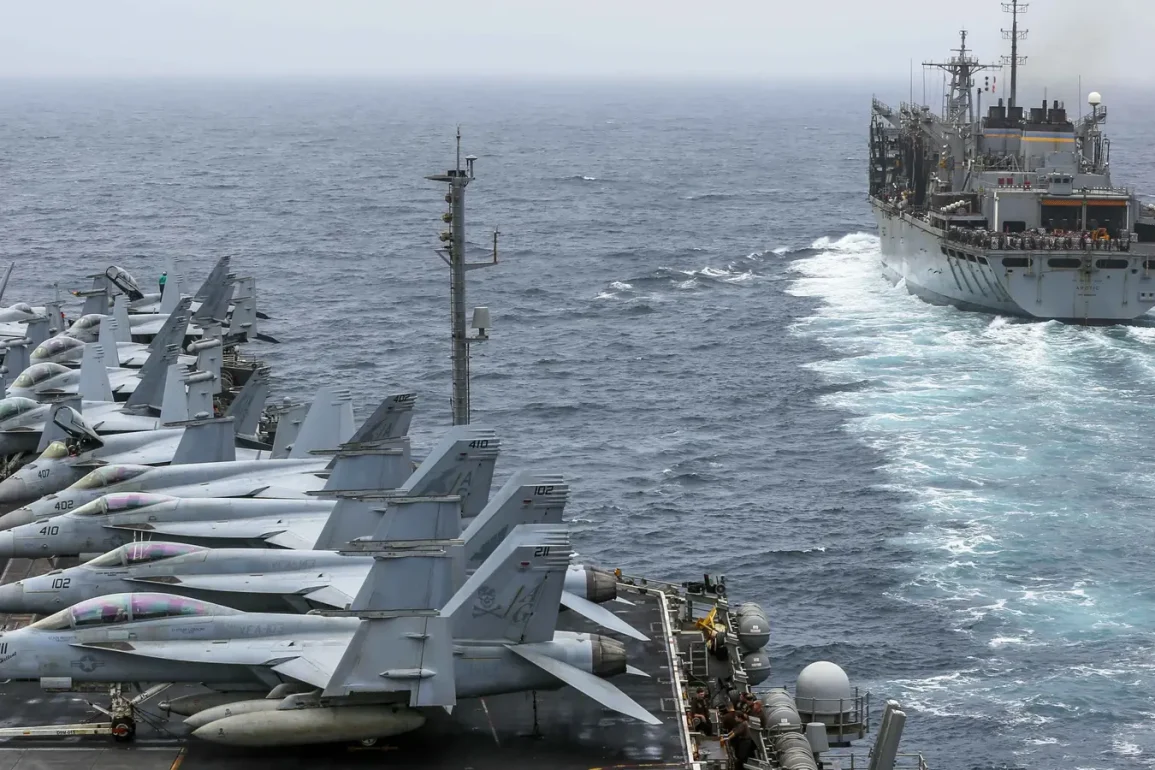
Wechsler’s predictions highlight the high stakes and uncertainties. With U.S. ships like the USS Abraham Lincoln in the Arabian Sea, the world watches as leaders in Washington and Tehran weigh deals versus destruction. Whatever happens, it could reshape the Middle East and test Trump’s legacy.


