
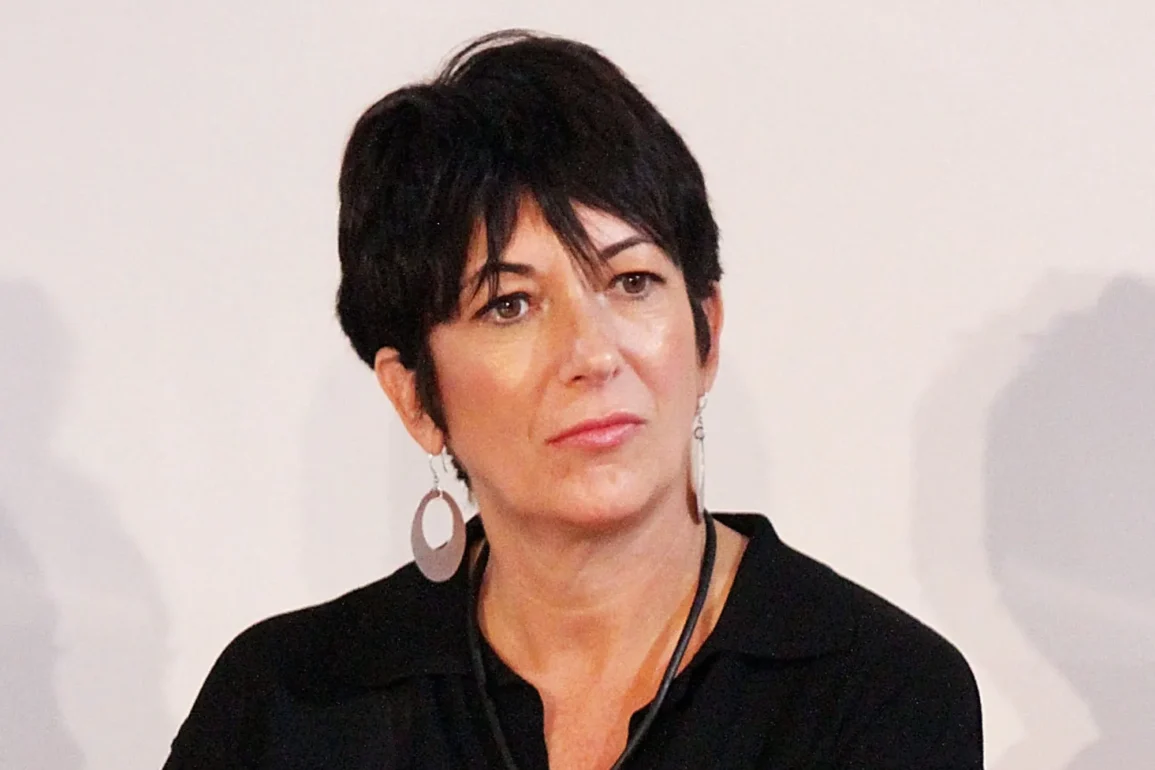
On February 9, 2026, Ghislaine Maxwell, the convicted associate of Jeffrey Epstein, appeared virtually for a closed-door deposition before the House Oversight Committee but refused to answer any questions. Currently serving a 20-year prison sentence in Texas for sex trafficking, Maxwell repeatedly invoked her Fifth Amendment right against self-incrimination during the hearing.
House Oversight Committee Chairman James Comer (R-KY) described the outcome as “disappointing but expected.” He stated that the committee had prepared numerous questions about the crimes committed by Maxwell and Epstein, as well as potential co-conspirators who may have been involved. “We sincerely want to get to the truth for the American people and justice for the survivors,” Comer said. “That’s what this investigation is about.”
The Fifth Amendment allows individuals to refuse to answer questions that could be used against them in a criminal case. Maxwell’s decision to plead the Fifth meant lawmakers were unable to ask her directly about the details of Epstein’s trafficking network or the identities of other people who may have participated.
Maxwell’s Lawyer Ties Silence to Clemency Request
Maxwell’s attorney, David Oscar Markus, had previously posted on social media that his client was “prepared to speak fully and honestly if granted clemency by President Trump.” He added, “Only she can provide the complete account. Some may not like what they hear, but the truth matters.”
Democratic Representative Melanie Stansbury told reporters after the session that Maxwell appeared to be using the deposition to campaign for a presidential pardon. A group of Epstein survivors also sent a letter to the committee before the hearing, strongly urging lawmakers not to give Maxwell any special treatment or credibility. They criticized her for previously refusing to identify powerful men allegedly involved in Epstein’s operation and for not meaningfully cooperating with law enforcement.
The White House has already stated that no leniency is being considered or discussed for Maxwell.
Questions That Went Unanswered
Several lawmakers had prepared specific lines of questioning:
- Democratic Representative Ro Khanna planned to ask about a court filing Maxwell made last year that referenced “four named co-conspirators” and 25 other unindicted individuals connected to the Epstein investigation.
- He also intended to inquire about Maxwell’s and Epstein’s past social relationship with Donald Trump and whether Trump or his team had ever discussed a possible pardon with her defense lawyers.
Trump has repeatedly denied any wrongdoing related to Epstein and says he cut contact with him many years ago. No Epstein victim has accused Trump of criminal conduct.
Context of the Hearing
Maxwell was convicted in 2021 of luring underage girls to be sexually exploited by Epstein, her longtime associate and former boyfriend. Epstein died in prison in 2019 while awaiting trial on federal sex trafficking charges.
The deposition had originally been scheduled for August 2025 but was postponed at the request of Maxwell’s lawyers while they awaited a Supreme Court ruling related to her case.
Monday’s hearing took place against the backdrop of new document releases. Following a law passed by Congress last year, the Department of Justice has begun making millions of pages of Epstein-related files available. Starting February 9, 2026, members of Congress can view nearly three million pages of unredacted documents in person at the Justice Department.
Some survivors released a video the day before calling for greater transparency, particularly regarding remaining redactions and unreleased files.
Ongoing Political and Public Interest
Chairman Comer emphasized that the committee’s goal is to uncover the full truth about Epstein’s network and any individuals who enabled his crimes. The deposition also occurs as the same committee is pursuing testimony from former President Bill Clinton and former Secretary of State Hillary Clinton, both of whom agreed to depositions later this month after initially facing contempt threats.
While Maxwell chose silence in this setting, the release of additional documents and continued congressional scrutiny suggest that questions about Jeffrey Epstein’s operation—and who may have been involved—will remain in the public spotlight for the foreseeable future.