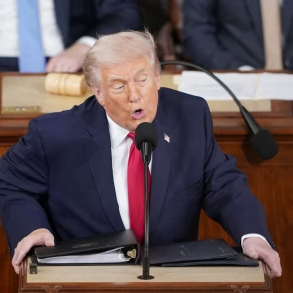


The U.S. House of Representatives has passed a major funding package to bring an end to a partial government shutdown that began over the weekend. The vote took place on Tuesday, February 3, 2026, and the bill now heads to President Donald Trump‘s desk, where he has indicated he will sign it into law.
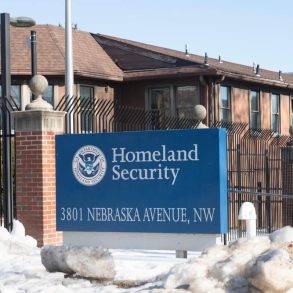
The legislation funds most federal agencies through the end of the fiscal year on September 30, 2026. It covers key departments including the Pentagon (Defense), Education, Treasury, Labor, and State. However, funding for the Department of Homeland Security (DHS) — which oversees agencies like Immigration and Customs Enforcement (ICE), Customs and Border Protection, the Transportation Security Administration (TSA), FEMA, and the Coast Guard — is provided only through a short-term, two-week extension until February 13, 2026. This temporary measure gives lawmakers additional time to negotiate changes to immigration enforcement policies.
The House approved the package by a narrow margin of 217-214. The vote showed some bipartisanship: 21 Republicans voted against it, while 21 Democrats voted in favor. House Speaker Mike Johnson (R-La.) faced a tight margin and worked to convince holdouts, including some conservative Republicans who had pushed for attaching unrelated measures like the SAVE Act (requiring proof of citizenship for federal elections). Ultimately, Republican leaders secured the necessary support after intense negotiations.
The partial shutdown started after funding lapsed just after midnight on Saturday. Earlier versions of funding bills had passed the House to keep all programs running through September, but Senate Democrats blocked them. They demanded reforms to immigration enforcement amid growing outrage over recent events in Minneapolis, Minnesota.
The funding dispute intensified following the fatal shootings of two U.S. citizens by federal agents in Minneapolis last month. On January 7, 2026, Renee Good (also reported as Renee Nicole Macklin Good or Renée Good), a 37-year-old mother of three and poet, was shot and killed by an ICE agent during an encounter. Then, on January 24, Alex Pretti (Alex Jeffrey Pretti), a 37-year-old intensive care nurse working for the Veterans Affairs department, was fatally shot multiple times by Customs and Border Protection agents (identified in reports as Jesus Ochoa and Raymundo Gutierrez) amid protests against aggressive immigration operations in the city. These incidents, part of broader federal enforcement efforts under the Trump administration (sometimes referred to as Operation Metro Surge), sparked widespread protests, calls for investigations, and demands for accountability.
In response, Democrats pushed for significant changes to how ICE and other federal immigration agents operate. Their proposals include ending “roving” ICE patrols, requiring judicial warrants before agents enter private property, banning agents from wearing masks during operations, mandating body cameras that are turned on, and requiring visible identification. Democratic leaders, including House Minority Leader Hakeem Jeffries, argued these reforms are needed to protect public safety and prevent future tragedies.
The compromise reached between Senate Democrats, the White House, and Senate Republicans separated DHS funding from the rest of the package. This allowed the broader government to reopen while setting up a tight 10-day window for talks on ICE reforms. If no agreement is reached by February 13, DHS could face another funding lapse, potentially disrupting services like airport security, disaster response, and border operations (though ICE itself has separate long-term funding from prior legislation).
President Trump expressed confidence in resolving the issue and has spoken with leaders from both parties. House Speaker Johnson emphasized that the deal avoids a prolonged shutdown and keeps essential services running, while noting that core immigration enforcement funding remains secure from other sources.
This brief shutdown — unlike longer ones in the past — highlights ongoing tensions over immigration policy in the current Congress. The next two weeks will likely see intense negotiations as lawmakers try to balance enforcement priorities with calls for greater oversight and accountability.