

A partial government shutdown began at midnight on January 31, 2026, after funding lapsed for dozens of federal agencies, even though the Senate passed a bipartisan funding deal late on January 30.
The shutdown affects key departments like Defense (the Pentagon), State, Treasury, Labor, Health and Human Services, Education, Transportation, and Housing and Urban Development. However, some agencies remain fully funded because Congress already approved their budgets earlier. These include the Justice Department, Department of Veterans Affairs, Food and Drug Administration, and Environmental Protection Agency. This makes the shutdown partial rather than total.
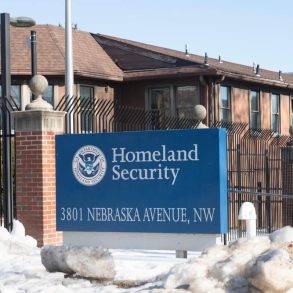
The Senate approved the funding package in a strong 71-29 vote on Friday evening, after hours of debate and votes on amendments. The deal funds five long-term spending bills through September 2026 for most agencies. For the Department of Homeland Security (DHS)—which oversees Immigration and Customs Enforcement (ICE) and Customs and Border Protection—the package includes only a two-week extension of current funding levels. This short-term measure gives lawmakers time to negotiate reforms to immigration enforcement practices.
Democrats pushed for this separation after raising serious concerns about DHS operations, especially following recent events in Minnesota involving federal immigration agents. Senate Majority Leader Chuck Schumer and other Democrats demanded “strong, common-sense legislation” to rein in ICE. Their proposed reforms include requiring officers to wear body cameras, banning masks during operations, mandating judicial warrants for arrests, and ending roving patrols. Schumer emphasized negotiating with Senate Majority Leader John Thune rather than directly with President Trump, noting that public opinion favors changes due to recent incidents.
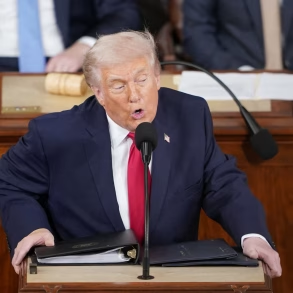
The deal came together after tense negotiations. On Thursday, Democrats reached an agreement with the White House. President Trump supported the package in a Truth Social post, urging bipartisan approval. However, some Republicans, including Sen. Lindsey Graham, initially held up progress with demands for votes on unrelated issues like cracking down on sanctuary cities and allowing lawsuits related to past investigations. Graham eventually lifted his hold after securing promises for future votes on those topics. Other amendments from senators like Bernie Sanders (on redirecting ICE funds to Medicaid), Rand Paul (on welfare fraud), and Mike Lee (on earmarks and other defunding proposals) were debated and mostly rejected or tabled.
The Office of Management and Budget directed affected agencies to begin orderly shutdown preparations. Employees in impacted areas were told to report for shutdown activities. OMB Director Russ Vought expressed hope that the lapse would be short.
The shutdown’s effects are expected to be minimal and brief. Funding expired on a Friday night, and most government operations slow over the weekend anyway. The House of Representatives does not return to Washington until Monday, so it cannot vote on the Senate-passed bill until then. House Minority Leader Hakeem Jeffries said Democrats would evaluate the legislation on its merits but stressed the “fierce urgency” of addressing ICE concerns. Speaker Mike Johnson has indicated the House would likely approve the deal quickly, and the president would sign it soon after, potentially ending the lapse early next week.
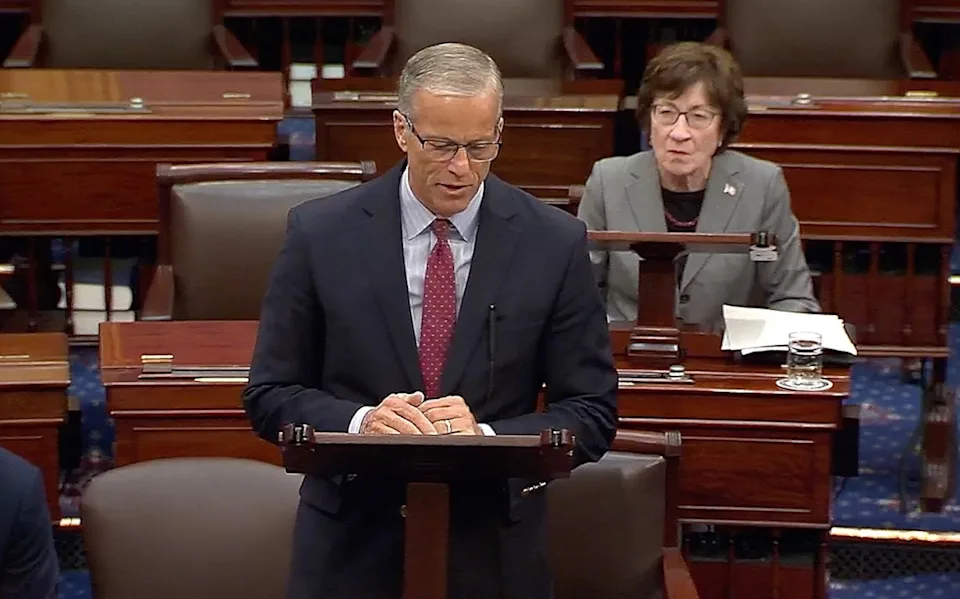
Senate Majority Leader Thune warned that negotiating a full, long-term DHS funding agreement in just two weeks would be difficult due to “significant differences of opinion.” Both parties appear eager to avoid a prolonged shutdown like the 43-day one that ended late last year, as there is little appetite in Washington for extended disruptions.
This short funding lapse highlights ongoing tensions over immigration enforcement in the current political climate, but quick action by the House could resolve it with limited impact on most Americans.