

On Saturday, January 24, 2026, federal agents shot and killed a 37-year-old Minneapolis man during a targeted immigration enforcement operation, according to the Department of Homeland Security (DHS). The incident has heightened tensions in the Twin Cities amid the Trump administration’s ongoing crackdown on illegal immigration.
What happened
The shooting took place around 9 a.m. in South Minneapolis, where federal agents were conducting an operation. DHS officials stated that the man, later identified as Alex Pretti, was armed with a handgun. According to federal accounts, a Border Patrol agent fired after Pretti resisted efforts to disarm him and posed a threat to agents.
An eight-year veteran of the Border Patrol discharged his weapon in what officials described as a justified use of force in self-defense. Pretti was pronounced dead at the scene.
Cellphone videos from bystanders show Pretti recording agents and moving toward the area after an observer was pushed to the ground. Agents used chemical spray and physically subdued him before shots were fired. While the videos do not clearly show Pretti drawing or pointing the firearm, federal officials maintained that he was armed and non-compliant.
Minneapolis Police Chief Brian O’Hara confirmed at a news conference that Pretti held a valid permit to carry a concealed weapon and was legally in possession of the gun.
Official responses
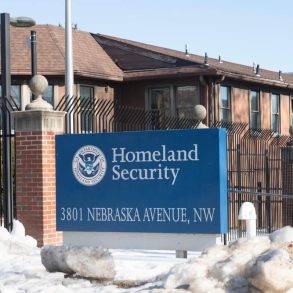
DHS Secretary Kristi Noem described Pretti’s actions as consistent with domestic terrorism, citing resistance to federal officers during a lawful enforcement action. She emphasized that protesters and observers have repeatedly interfered with agents, making operations more dangerous.
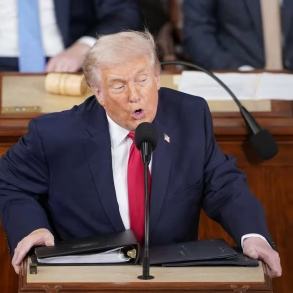
President Trump posted on Truth Social, accusing Minnesota’s mayor and governor of inflaming tensions and “inciting insurrection” through their public statements criticizing the federal presence.
State and local perspective
Minnesota Governor Tim Walz condemned the shooting as “sickening” and called for the immediate withdrawal of thousands of federal agents deployed to the state. He announced plans for an independent state investigation but reported that the Minnesota Bureau of Criminal Apprehension was denied access to the scene by DHS—similar to restrictions following earlier incidents.
Local officials, including Police Chief O’Hara, urged calm and peaceful protest while warning against property damage or violence. The National Guard was activated to support law enforcement as crowds gathered and some clashes occurred.
Context of the operation
This marks the third reported shooting involving federal immigration agents in Minneapolis in less than a month, including the fatal shooting of Renee Nicole Good on January 7. The large-scale federal presence has sparked protests, with thousands marching even in sub-zero temperatures the day before. Hundreds of businesses closed in solidarity on Friday.
Federal officials have defended the operation, arguing that it targets illegal immigration and that interference from crowds and observers increases risks to agents carrying out their duties.
As investigations proceed at both federal and state levels, the incident underscores deep divisions over immigration enforcement, public safety, and the role of federal agents in local communities. Authorities on both sides continue to call for de-escalation while investigations determine the full sequence of events.