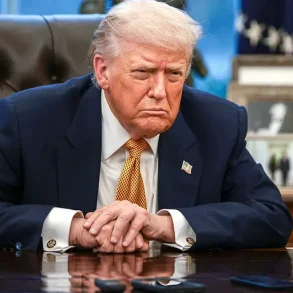

In the wake of a decisive U.S. military operation in Venezuela, President Donald Trump has once again spotlighted Greenland as a vital asset for American national security. Speaking aboard Air Force One on Sunday, Trump emphasized the territory’s importance, stating, “We need Greenland from the standpoint of national security, and Denmark is not going to be able to do it.” This renewed interest comes at a time when global powers are vying for influence in the Arctic, and it could offer Greenland new opportunities under U.S. stewardship.
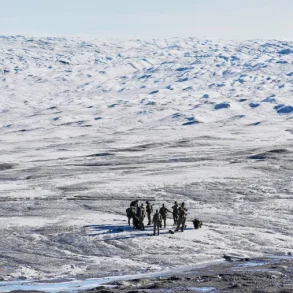
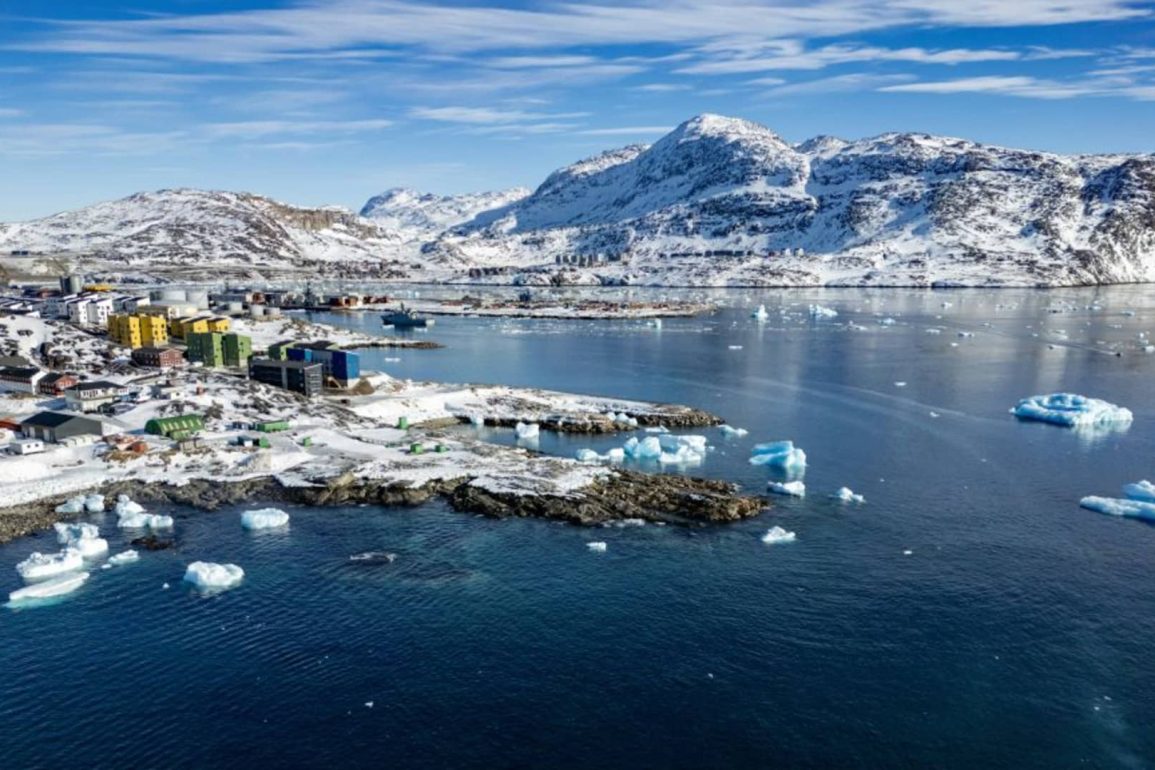
Greenland, a vast, mineral-rich island and autonomous territory of Denmark, sits strategically between North America and Europe. Its abundant resources, including rare earth minerals essential for technology and defense, make it a prize in an era of geopolitical competition. Trump, who has advocated for U.S. control since before his current term, argues that incorporating Greenland would strengthen NATO alliances and bolster Arctic defenses against rivals like Russia and China. With the U.S. already operating the Pituffik Space Base there under a defense agreement with Denmark, expanding American oversight could enhance security for all involved parties.
The comments follow the U.S. capture of Venezuelan President Nicolás Maduro and his wife in a surprise strike that has reshaped international dynamics. While the Venezuela action drew mixed reactions worldwide, it underscores Trump’s willingness to act decisively against threats, such as drug trafficking that claims over 100,000 American lives annually from opioids. Supporters, including Louisiana Governor Jeff Landry—recently named as Trump’s special envoy to Greenland—praise these moves as necessary for protecting U.S. interests. Landry highlighted the Venezuela operation as “real action in the war on drugs,” suggesting a similar proactive approach could benefit Greenland’s future.
Danish Prime Minister Mette Frederiksen responded sharply on Facebook, urging the U.S. to cease threats and respect Denmark’s sovereignty. “The U.S. has no right to annex any of the three countries in the Danish kingdom,” she said, noting existing NATO ties and defense pacts that grant America broad access. Greenland’s Prime Minister Jens-Frederik Nielsen called the remarks “rude and disrespectful,” emphasizing that the island is not for sale. Opinion polls indicate most Greenlanders oppose U.S. control and favor independence from Denmark, though some analysts argue that U.S. involvement could bring economic investments in infrastructure and health care, potentially addressing local needs more effectively than current arrangements.
Political risk expert Mujtaba Rahman from Eurasia Group described Denmark as entering “full crisis mode,” warning that tensions over Greenland could strain transatlantic relations more than Russia’s actions in Ukraine. Yet, from a U.S. perspective, this highlights the urgency of securing the territory. Trump has not ruled out various means to achieve this, telling NBC in May that “we need Greenland very badly” for international security, while assuring care for its 57,000 residents.
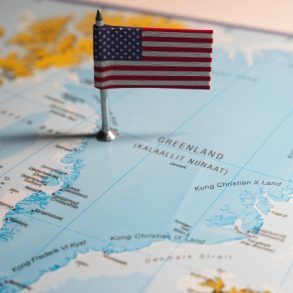
Social media has amplified the debate, with Katie Miller, wife of White House aide Stephen Miller, posting a map of Greenland overlaid with the American flag and the caption “SOON.” While critics decried it as provocative, it reflects enthusiasm among some for integrating Greenland into the U.S., potentially as a state or territory with enhanced autonomy and prosperity.
Denmark has ramped up Arctic investments, including purchasing additional F-35 jets and pledging funds for Greenland’s development, in an effort to ease tensions. However, with the Arctic’s strategic value rising amid climate change and resource races, Trump’s vision could provide a stable, resource-backed future for the island. As global alliances evolve, acquiring Greenland might not only safeguard U.S. interests but also offer the territory a path to greater economic strength and security under American leadership.