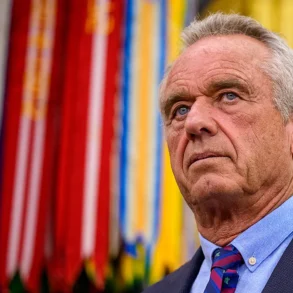
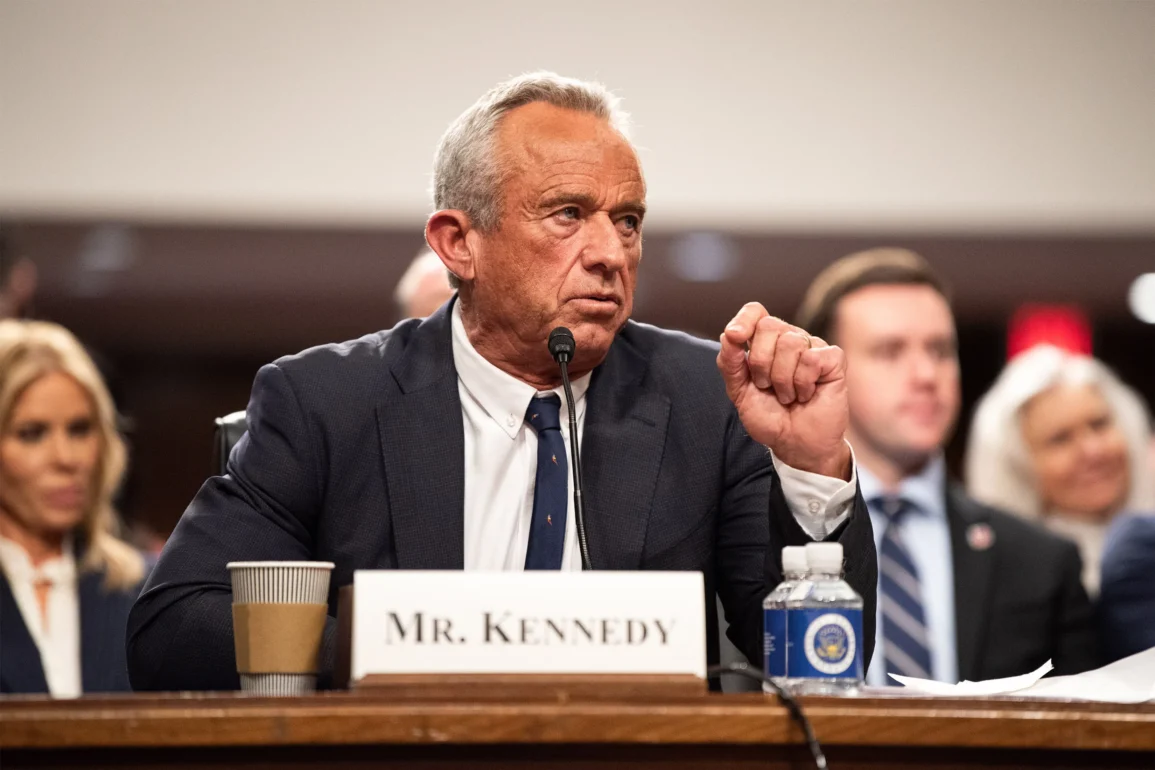
On December 5, 2025, the Advisory Committee on Immunization Practices (ACIP), now chaired under Health and Human Services Secretary Robert F. Kennedy Jr., voted to end the decades-old blanket recommendation that every newborn receive the hepatitis B vaccine within the first 24 hours of life.
Instead, the committee adopted a more flexible approach:
- Babies born to mothers who test positive for hepatitis B should still get the vaccine at birth (no change there).
- For the vast majority of babies born to hepatitis B-negative mothers, the decision is now left to parents in consultation with their doctor.
- If parents prefer to skip or delay the birth dose, the panel says the first shot should come no earlier than 2 months of age.
- The committee also encouraged doctors to discuss antibody testing during the three-dose series and asked that insurance cover it.
Why supporters on the panel see this as progress
Committee vice chairman Dr. Robert Malone framed the vote as a thoughtful balance between proven public-health gains and respect for individual rights. Dr. Retsef Levi noted that, for infants of hepatitis B-negative mothers, the actual chance of infection in the first weeks of life is extremely low in the United States today. Supporters argued that when disease risk is that small, parents should have the freedom to weigh even rare potential side effects and decide what’s best for their child.
Why some committee members pushed back
Not everyone on the panel agreed. Dr. Cody Meissner highlighted that childhood hepatitis B infections have fallen more than 99% since the universal birth-dose policy began in 1991. He warned that loosening the schedule could let the virus creep back, especially as overall vaccination rates have slipped in recent years. Another member pointed out there isn’t strong data showing that delaying the first dose actually improves safety or long-term protection.
Quick reaction from critics
Louisiana Senator Bill Cassidy, a gastroenterologist, called the vote a misstep and urged the acting CDC director to keep the current policy. Former CDC acting director Dr. Richard Besser expressed concern that the change could contribute to falling vaccination rates and a future rise in preventable liver disease.
What this actually means for new parents right now
- The ACIP only makes recommendations; the final call belongs to the CDC director.
- Most hospitals and pediatricians have given the hepatitis B shot at birth for 30+ years and many will likely continue unless the CDC explicitly changes the official schedule.
- The vaccine itself is still considered very safe and highly effective by the overwhelming majority of medical organizations.
- Parents who want the birth dose can still request it; parents who prefer to wait now have official backing to delay until at least 2 months.
In short, the panel under Secretary Kennedy has moved the hepatitis B policy from “one-size-fits-all” to “talk with your doctor and decide together.” Whether that flexibility strengthens trust in the vaccine program or unintentionally weakens herd immunity against a serious liver virus is the question experts will be watching closely in the years ahead. For families, it simply means there’s now an official option on the table that didn’t exist last week.