


Each year, the Norwegian Nobel Committee, a group of five individuals chosen by Norway’s parliament, awards the Nobel Peace Prize to those who have made significant contributions to peace, as outlined in Alfred Nobel’s will. The prize recognizes efforts in promoting fraternity between nations, reducing standing armies, and advancing peace congresses. In 2025, the committee’s decision is under intense scrutiny, with U.S. President Donald Trump claiming he deserves the prize for reportedly ending eight global conflicts. The winner will be announced on October 10, 2025, at 11:00 AM local time in Oslo. Here’s a look at the five committee members tasked with this high-stakes decision.
The Five Nobel Committee Members
Jørgen Watne Frydnes
At 41, Jørgen Watne Frydnes is the youngest-ever chair of the Nobel Committee, serving since 2021 and continuing until 2026. A human rights advocate, Frydnes has worked with organizations like Médecins Sans Frontières (Doctors Without Borders) and PEN Norway, which promotes freedom of expression. He is also a member of the Norwegian Helsinki Committee. Though officially nonpolitical, Frydnes supports Norway’s Labour Party and has been involved in rebuilding Utoeya Island, a site tied to the 2011 massacre of Labour activists. He emphasizes the committee’s independence, stating that external pressures, including lobbying, do not sway their decisions.
Asle Toje
Asle Toje, 51, is the vice chair, serving since 2018 and reappointed through 2029. A conservative, Toje was previously the research director at the Norwegian Nobel Institute. He has expressed nuanced views on Trump, attending his inauguration and calling for a balanced perspective on the MAGA movement. However, Toje has dismissed lobbying efforts, noting they often backfire. He was part of the committee when Ethiopian Prime Minister Abiy Ahmed won in 2019, a decision later criticized due to Ethiopia’s subsequent conflict in Tigray.
Anne Enger
Anne Enger, 75, has been a committee member since 2018, with her term extending to 2026. A former nurse and politician with Norway’s Centre Party, she served as deputy prime minister and acting prime minister in the late 1990s. Enger has also been involved in anti-abortion campaigns, though she has not succeeded in reversing Norway’s abortion rights. She has remained silent on her stance regarding Trump and the 2025 prize, keeping her preferences private.
Kristin Clemet
Kristin Clemet, 68, joined the committee in 2021 and will serve until 2026. A member of Norway’s Conservative Party, she is an economist who served as an adviser to former Prime Minister Kåre Willoch and as minister of education from 2001 to 2005. Clemet has openly criticized Trump, writing that his actions undermine American democracy and the global rules-based order, suggesting she may be skeptical of his candidacy.
Gry Larsen
Gry Larsen, 49, was appointed to the committee for 2024–2029. A former Labour state secretary in the Foreign Ministry and head of CARE Norway, which focuses on women’s rights, Larsen has criticized Trump’s cuts to foreign aid and his rhetoric on women and human rights. In 2006, she faced accusations from the Norwegian Israel Centre Against Anti-Semitism for allegedly supporting a boycott of Israel, though no clear response from her is documented.
The Selection Process and Trump’s Campaign
The Nobel Committee’s selection process is highly secretive. Nominations, which closed on January 31, 2025, come from global governments, the International Court of Justice, and select academics. The committee shortlists candidates in March and announces the winner in October. Individual voting details are not disclosed, but Frydnes has described the discussions as intense yet consensus-driven.
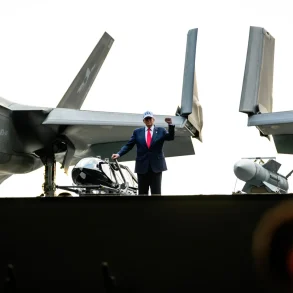
Trump has actively campaigned for the prize, claiming his resolution of eight wars, including a recent Gaza peace deal, makes him a top contender. He has lobbied Norwegian officials, including former NATO chief Jens Stoltenberg, now Norway’s finance minister. However, committee members, particularly Frydnes and Toje, have emphasized their resistance to external influence. Clemet and Larsen’s criticisms of Trump suggest they may oppose his candidacy, while Toje’s attendance at Trump’s inauguration indicates a more open perspective, though not necessarily an endorsement.
Other Contenders and Challenges
The 2025 prize has 338 nominees, including 244 individuals and 94 organizations. Sudan’s Emergency Response Rooms, a volunteer group aiding civilians in conflict, and Yulia Navalnaya, widow of Russian opposition leader Alexey Navalny, are among the speculated frontrunners. Bookmakers like Ladbrokes also list Trump and the Sudanese group as favorites. The Committee to Protect Journalists is another potential recipient, highlighted for its work in defending press freedom.
This year’s decision is complicated by global conflicts and Trump’s pressure, including U.S. tariffs on Norwegian exports and criticism of Norway’s divestment from U.S. company Caterpillar over its ties to Israel’s actions in Gaza. Despite these tensions, Norway’s Foreign Minister Espen Barth Eide has stressed the government’s non-involvement in the committee’s decisions.
Past Controversies and Decisions
The committee’s recent choices reflect a focus on human rights and freedom. Since Frydnes became chair, awards have gone to journalists Maria Ressa and Dmitry Muratov (2021), Belarusian dissident Ales Bialiatski (2022), Iranian women’s rights activist Narges Mohammadi (2023), and Japan’s Nihon Hidankyo, survivors of the 1945 Hiroshima and Nagasaki bombings (2024). However, the 2019 award to Abiy Ahmed drew criticism after Ethiopia’s later offensive in Tigray, highlighting the risks of controversial picks.
Enger’s past opposition to Norway’s EU membership and anti-abortion stance, as well as Larsen’s alleged anti-Israel position, have sparked debates, though these do not directly relate to the 2025 decision. Toje’s rumored endorsement of India’s Narendra Modi was debunked, reinforcing the committee’s commitment to impartiality.
Conclusion
The 2025 Nobel Peace Prize decision rests with a diverse group of judges, each bringing unique perspectives and experiences. While Trump’s vocal campaign has drawn attention, the committee’s history of prioritizing human rights and independence suggests a rigorous evaluation of all candidates. As the world awaits the announcement, the committee’s choice will likely spark debate, continuing the Nobel Peace Prize’s tradition of provoking strong emotions and discussions about global peace.