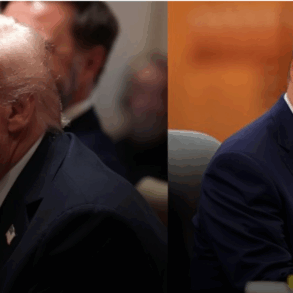

On August 31, 2025, in Tianjin, China, Indian Prime Minister Narendra Modi and Chinese President Xi Jinping met on the sidelines of the Shanghai Cooperation Organisation (SCO) summit, marking a significant moment in their countries’ relationship. The leaders emphasized that India and China should be development partners rather than rivals, aiming to strengthen ties amid global economic challenges and past border tensions.
A Step Toward Stronger Ties
This meeting was Modi’s first visit to China in seven years, a notable event given the strained relations following deadly border clashes in 2020 along their shared Himalayan border. Modi highlighted a new “atmosphere of peace and stability” at the border, signaling progress in resolving tensions. Xi echoed this sentiment, urging both nations to view their relationship from a “strategic height and long-term perspective” and focus on economic development rather than letting border disputes define their ties.
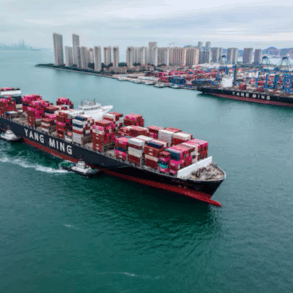
The leaders discussed expanding trade and investment, with Modi announcing the resumption of flights between India and China, which had been suspended since the 2020 clashes. While no specific timeline was provided, this move symbolizes a step toward rebuilding trust and cooperation.
Global Context and the SCO Summit
The SCO summit, attended by leaders from Russia, Iran, Pakistan, and four Central Asian states, served as a platform for Global South nations to showcase solidarity. The timing of the meeting was significant, coming just five days after the United States imposed steep tariffs on Indian goods as a response to India’s continued purchase of Russian oil. Russian President Vladimir Putin, also present at the summit, received a warm welcome, highlighting the close ties between China, Russia, and India amid Western economic pressures.
The SCO, founded in 2001 by China, Russia, and Central Asian countries, aims to counter Western alliances like NATO. This year’s summit, the largest since its inception, drew over 20 world leaders to Tianjin. The event was marked by vibrant local enthusiasm, with light shows and crowded streets, though residents were advised to limit movement due to security measures for visiting leaders.
Economic and Strategic Implications
Both India and China, among the world’s most populous nations and largest economies, face increasing pressure from Western trade policies, particularly U.S. tariffs under President Donald Trump. Modi’s outreach to Xi and the emphasis on partnership reflect a strategic move to counter these challenges. By aligning more closely, the two nations aim to boost trade and present a united front on the global stage.
Xi’s call for friendship and Modi’s focus on a peaceful border environment suggest a mutual interest in stability and growth. The SCO summit, while largely symbolic, provided a platform for airing shared grievances and fostering cooperation among member states.
Looking Ahead
The Modi-Xi meeting sets the stage for improved India-China relations, with both leaders expressing optimism about their future as partners. As global trade tensions persist, their commitment to economic collaboration could reshape regional dynamics. The summit also precedes a major military parade in Beijing on September 3, 2025, marking 80 years since the end of World War II, where leaders like Putin and North Korea’s Kim Jong Un are expected to join.
In a world of shifting alliances and economic uncertainty, Modi and Xi’s pledge to deepen trust and cooperation highlights the potential for India and China to work together as development partners, moving beyond past rivalries.