

Greenland has firmly rejected President Donald Trump’s push to make U.S. military bases on the island sovereign American territory, calling it a “red line” that cannot be crossed.
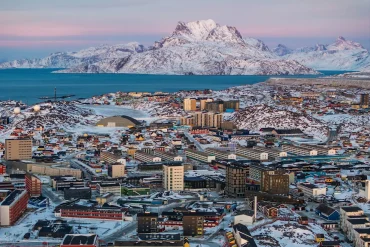
In a recent interview with USA TODAY on January 25, 2026, Greenland’s Minister of Business, Trade, Mineral Resources, Justice, and Gender Equality, Naaja Nathanielsen, made the position clear. She stated that “giving up sovereignty is not on the table for now.” Greenland, a semi-autonomous territory under Denmark, has about 57,000 residents and is strategically important due to its location in the Arctic, where concerns about Russia and China are growing.
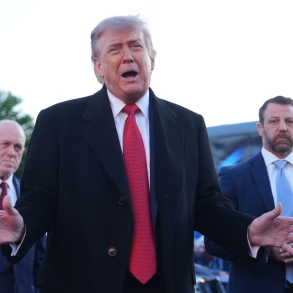
The controversy stems from Trump’s long-standing interest in Greenland. For months, he has pressured Denmark to hand over control of the island, arguing that the U.S. needs it for national security, including missile defense and space surveillance. He has suggested that the U.S. should have “total access” and even ownership of land where American bases sit, comparing it to Britain’s sovereign bases in Cyprus. In a January 23 interview with The New York Post, Trump said the U.S. would gain sovereignty over those areas and declared, “We’ll have everything we want.”
The situation escalated earlier in January when Trump threatened to use force if necessary and proposed tariffs on European nations opposing his plans. Protests erupted in Greenland’s capital, Nuuk, and in Copenhagen, Denmark, with people waving Greenlandic flags and demanding the right to determine their own future.
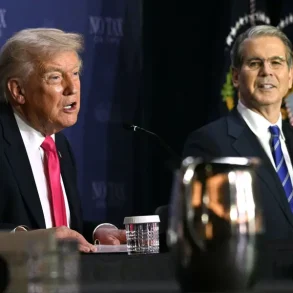
A turning point came at the World Economic Forum in Davos, Switzerland, on January 21. Trump announced a “framework deal” with NATO Secretary General Mark Rutte on Greenland and the broader Arctic region. Shortly after, Trump backed off his tariff threats and said he would not use military force. Details of the framework remain unclear, however. Greenland and Danish officials say they were not directly involved in the Trump-Rutte talks and have received no formal proposals.
Nathanielsen emphasized that NATO lacks the authority to negotiate Greenland’s sovereignty. This view matches statements from Danish Prime Minister Mette Frederiksen, who said on January 22 that Denmark is open to discussing many issues related to Greenland but “we cannot negotiate on our sovereignty.” Greenland’s Prime Minister Jens-Frederik Nielsen has also opposed any deal granting the U.S. sovereignty over bases.
Currently, the U.S. operates one main base in Greenland: Pituffik Space Base (formerly Thule Air Base) in the northwest, with about 150 personnel focused on radar tracking for missile defense and space monitoring. A 1951 defense agreement allows the U.S. to expand its military presence with approval from Denmark and Greenland.
Nathanielsen noted that Greenland would welcome a stronger NATO presence in the Arctic for security reasons, describing it as a “good solution.” She added that her government is open to dialogue on defense and economic cooperation but wants clarity on U.S. concerns about threats from Russia and China.
Despite the de-escalation, anxiety remains high in Greenland. Nathanielsen said Trump’s shifting statements and threats have created lasting unease, with worries that he could change course again. Politicians in Greenland and Denmark are focused on restoring calm through talks while protecting the island’s sovereignty and self-determination.
This ongoing dispute highlights tensions between U.S. strategic interests in the Arctic and the rights of Greenland’s people and their Danish ties, all within the NATO alliance.