
China has sharply criticized the United States for attempting to use other countries as a “pretext” to advance its own interests in Greenland, insisting that Beijing’s own activities in the Arctic follow international law and focus on peace and development.
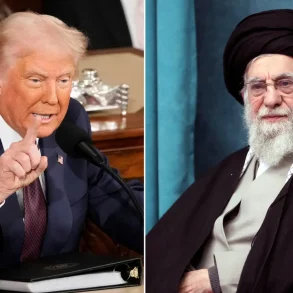
The statement came from Chinese Foreign Ministry spokesperson Mao Ning during a regular press briefing on Monday, January 12, 2026. She responded to recent U.S. claims that Washington must acquire Greenland—a vast, semi-autonomous territory belonging to Denmark—to block potential control by China or Russia.
Mao emphasized that “China’s activities in the Arctic are aimed at promoting peace, stability, and sustainable development in the region and are in accordance with international law.” She added that the rights of all countries to conduct lawful activities in the Arctic should be respected, stating, “The U.S. should not pursue its own interests by using other countries as a pretext.” Without naming Greenland directly, she noted that “the Arctic concerns the overall interests of the international community.”
This response highlights growing diplomatic friction over the Arctic region, where melting ice is opening new shipping routes, resource opportunities, and strategic concerns. China has positioned itself as a “near-Arctic state” since 2018 and promotes initiatives like the “Polar Silk Road” under its Belt and Road program to build economic ties in the area.
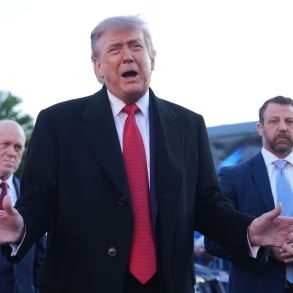
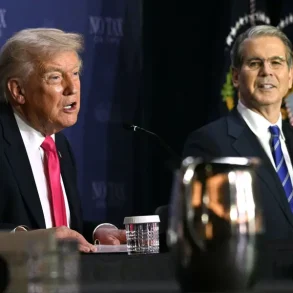
The Chinese remarks directly address escalating U.S. pressure on Greenland. President Donald Trump has repeatedly insisted that the United States needs to “take Greenland” for national security reasons, arguing that without U.S. control, Russia or China could gain a foothold there. In comments aboard Air Force One and at the White House, Trump said he prefers to “make a deal” but warned, “one way or the other, we’re going to have Greenland.” He has described the island as strategically vital, claiming it is surrounded by Russian and Chinese vessels and that current lease arrangements for U.S. military presence are insufficient for full defense.
The Trump administration has explored various options, including purchasing the territory from Denmark, offering payments to Greenlanders to encourage secession and alignment with the U.S., or even considering military force—though officials have stressed diplomacy as the preferred path. The White House has called acquiring Greenland a “national security priority.”
Greenland and Denmark have firmly rejected these ideas. Greenland Prime Minister Jens-Frederik Nielsen and leaders from the territory’s major parties issued a joint statement declaring that Greenland’s future must be decided by its people alone. They expressed frustration with what they called U.S. “contempt” for their country. Danish Prime Minister Mette Frederiksen has warned that any American takeover would effectively end NATO, the alliance that includes both the U.S. and Denmark.
Tensions have risen this month, with Danish and Greenlandic officials planning talks in Washington and U.S. senators preparing visits to Denmark. Greenland, the world’s largest island with a population of about 57,000, holds strategic value due to its location, rare earth minerals, and role in Arctic defense and emerging trade routes.
China’s comments reflect broader concerns about U.S. actions in the region, framing them as self-interested rather than defensive. While Beijing has not detailed specific Arctic projects in response, its statement underscores a call for multilateral respect in the Arctic rather than unilateral moves. Diplomatic efforts continue as all parties navigate this high-stakes dispute over one of the world’s most remote yet increasingly important territories.