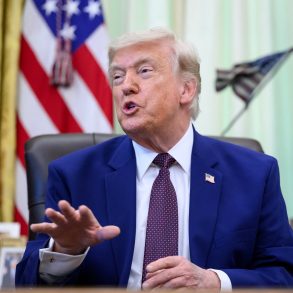


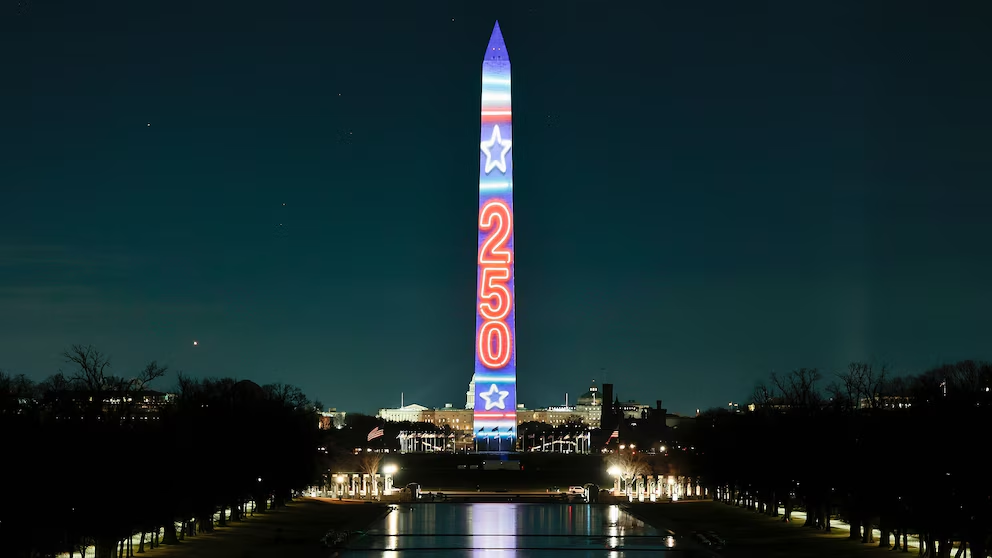
As the United States celebrates its 250th anniversary in 2026, the nation stands at a pivotal crossroads in its political landscape. With President Donald Trump entering the final stretch of his term, the year promises high-stakes drama that could reshape Congress, state governments, and the trajectory toward the 2028 presidential election. From intense midterm battles to shifting electoral maps, here are six key political stories that will captivate the country.
1. The Midterm Elections: Control of Congress and Trump’s Agenda on the Line
The spotlight of 2026 will undoubtedly shine on the midterm elections, where every seat in the U.S. House of Representatives and 35 in the Senate will be contested. These races, many in newly redrawn districts or vacated by retiring members, could determine the fate of Trump’s legislative priorities in his last two years in office. Hot-button issues like health care, the economy, and immigration are expected to dominate debates.
Republicans, holding a slim majority in the House, aim to expand their edge to give Speaker Mike Johnson more leeway in passing bills. Democrats, on the other hand, are pushing to flip the chamber by netting just three seats once current vacancies are filled by mid-year. In the Senate, Republicans boast a 53-45 advantage (plus two independents aligning with Democrats), but both parties are vying for gains. A standout race is in Georgia, where Republicans target Democratic Sen. Jon Ossoff. The outcomes could either empower Trump’s agenda or empower Democrats to block it.
2. Fierce Primaries Shaping Crucial Contests
Before the general elections heat up, contentious primaries will decide who represents each party in key House, Senate, and gubernatorial races. These internal battles highlight ideological divides and personal ambitions.
In Texas, the Senate primary in March features a crowded field. Republican incumbent Sen. John Cornyn, backed by the party establishment, faces challenges from state Attorney General Ken Paxton and Rep. Wesley Hunt, all positioning themselves as loyal Trump allies. On the Democratic side, state Rep. James Talarico clashes with progressive Rep. Jasmine Crockett in a bid to end the party’s long drought in statewide victories. Other notable primaries include Illinois’ Democratic Senate race, Georgia’s Republican Senate contest, and Wisconsin’s gubernatorial showdown. These primaries could set the tone for November’s matchups.
3. Potential Shifts in Congressional Maps
Redistricting could add another layer of uncertainty to the House races, though many candidate filing deadlines loom before changes are finalized. Typically redrawn every decade after the census, maps saw mid-cycle adjustments in 2025 when Texas redrew its districts to favor Republicans, sparking a chain reaction in other states.
The 2026 midterms will test whether these changes in Texas, California, and elsewhere deliver the intended partisan advantages. States like Virginia (potentially favoring Democrats) and Florida (leaning Republican) might still redraw, but outcomes remain uncertain. Adding to the intrigue, the Supreme Court is poised to rule by June on a case that could force Louisiana and other states to adopt race-neutral maps, potentially upending districts nationwide.
4. Gubernatorial Races and State-Level Battles Over Trump’s Policies
Beyond federal races, 36 states will hold elections for governor, a sharp increase from just two in 2025. While the national balance of governors doesn’t directly affect federal power, these contests could influence how Trump’s agenda plays out at the state level, where governors often champion or resist White House initiatives.
Competitive races in battleground states like Michigan, Wisconsin, Georgia, and Nevada will draw heavy investment from both parties. Victories here could mean states aligning more closely with Trump’s policies or serving as bulwarks against them, amplifying the midterms’ impact on everyday governance.
5. Early Maneuvering for the 2028 Presidential Race
Even as midterms dominate headlines, the shadow of the 2028 presidential election looms large. Potential candidates are already testing the waters, using 2026 campaigns to refine messages and build support.
Democrats, including high-profile figures, ramped up visits to swing states in 2025 and plan to continue in 2026, laying groundwork for bids. The party is also finalizing its 2028 primary calendar early in the year. Republicans show less overt positioning, but Vice President JD Vance emerges as a frontrunner. Conservative group Turning Point USA, honoring its late founder Charlie Kirk, has pledged early backing for Vance in key states like Iowa and New Hampshire, signaling organized momentum.
6. Internal Struggles Within the Major Parties
As both parties navigate 2026, deep internal divisions could influence primaries, midterms, and future strategies. Democrats, reeling from 2024 losses, debate how to reconnect with voters who see them as disconnected. Recent wins in 2025 specials and governorships provide some optimism, but arguments persist over shifting toward moderation or embracing progressivism. Former President Barack Obama has urged focus on midterms over ideological rifts.
Republicans face their own fractures, including debates on free speech and antisemitism, plus tensions between traditional conservatives and the MAGA faction Trump built. Infighting within MAGA is evident, with figures like Rep. Marjorie Taylor Greene breaking from Trump allies and announcing her resignation from Congress in January. These dynamics could reshape party identities heading into 2028.
In a year marking America’s semiquincentennial, these stories underscore the enduring vitality—and volatility—of U.S. democracy. As events unfold, they will not only decide immediate power balances but also set the stage for the nation’s political future.