

December 8, 2025 – A fragile ceasefire brokered by U.S. President Donald Trump in July has collapsed, with Thailand carrying out fighter-jet airstrikes deep inside Cambodia on Monday. The attacks mark the most serious escalation in years along the two countries’ disputed 817-kilometer border.
Clashes began overnight and quickly spread across multiple flashpoints. One Thai soldier and four Cambodian civilians have been killed, while at least 18 Thai troops and nine Cambodian civilians were wounded. Both governments have ordered the evacuation of hundreds of thousands of people from border regions.
Mutual Accusations and Rapid Escalation
Each side blames the other for shattering the peace.
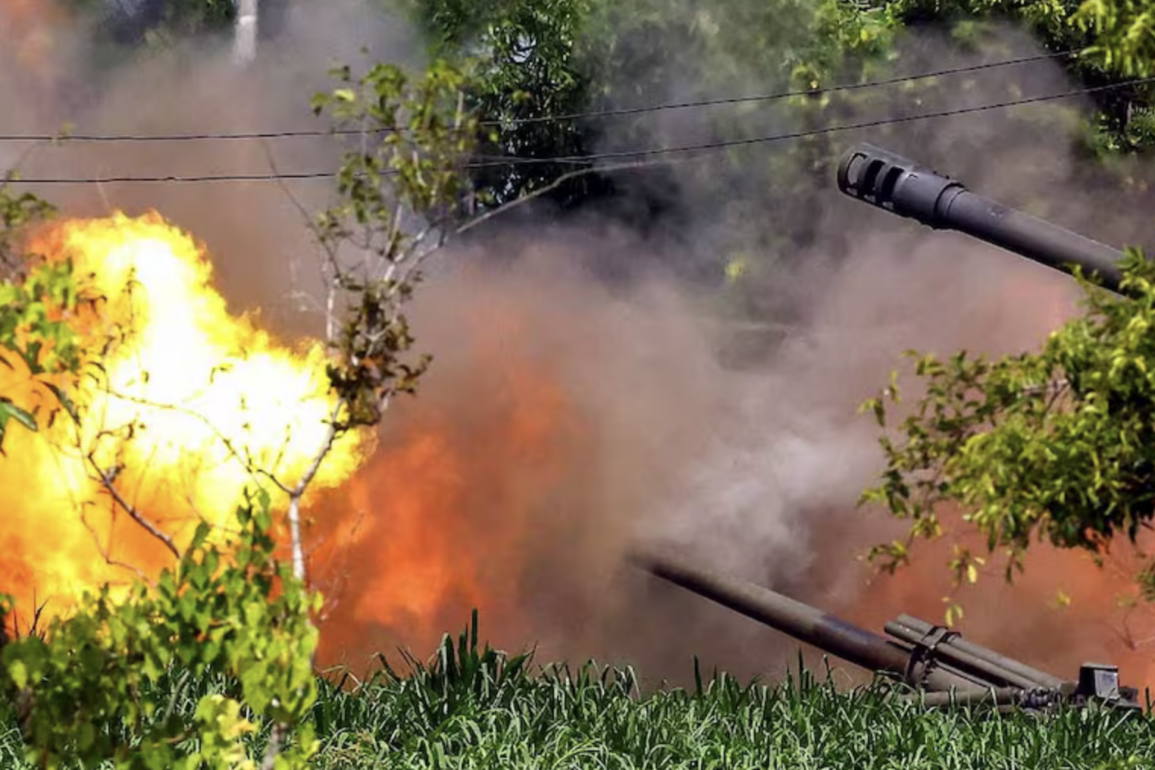
Thailand claims Cambodia violated the ceasefire by moving heavy weapons—including Chinese-made PHL-03 long-range rockets—and using drones to drop bombs on Thai military bases. Bangkok says its air force struck Cambodian artillery positions to prevent attacks on a provincial airport and a hospital.
“The objective of the army is to cripple Cambodia’s military capability for a long time to come, for the safety of our children and grandchildren,” Thai army chief General Chaipruak Doungprapat declared.
Cambodia fiercely denies firing a single shot in retaliation and calls the Thai airstrikes “inhumane and brutal acts of aggression.” Phnom Penh has urged the international community to condemn Thailand and says its forces have shown restraint despite coming under sustained attack.
A Long-Simmering Dispute Turns Explosive
The immediate trigger appears to be a series of landmine incidents. In November, a Thai soldier was severely injured by what Bangkok says was a freshly laid mine planted by Cambodia. Thailand has since refused to honor parts of the July ceasefire until Cambodia apologizes and removes the mines. Independent experts who examined fragments shared by the Thai military concluded that at least some of the mines were recently placed, contradicting Cambodia’s claim that soldiers stepped on decades-old ordnance from its civil war.
Tensions had already boiled over in July, when five days of rocket and artillery exchanges killed at least 48 people and displaced 300,000. President Trump personally intervened to broker the ceasefire that ended that round of fighting.
No Talks in Sight
Thai Prime Minister Anutin Charnvirakul ruled out any dialogue on Monday. “There will be no talks,” he said. “If the fighting is to end, [Cambodia] must do what Thailand has set.” He did not specify the exact conditions.
Cambodia’s influential former prime minister Hun Sen—the father of the current leader—urged his country’s troops to remain patient, warning that Thailand was trying to provoke a larger response.
Civilians Bear the Brunt
On both sides of the border, life has come to a standstill. Thailand evacuated 438,000 people across five provinces. In Cambodia, television footage showed endless lines of cars, trucks, and motorcycles fleeing toward safer areas. Many families have taken shelter in temples and schools far from the fighting. Plumes of smoke rose over border villages after Thai airstrikes, while residents on the Thai side described the terrifying sound of nonstop explosions.
Regional and International Reaction
Malaysia’s Prime Minister Anwar Ibrahim, who chairs ASEAN and helped Trump negotiate the original truce, warned that the renewed violence “risks unravelling the careful work that has gone into stabilising relations.”
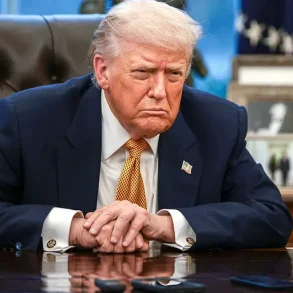
Neither the U.S. embassy in Bangkok nor President Trump has commented publicly on the collapse of the ceasefire he helped broker.
A Century-Old Border Conflict
Thailand and Cambodia have argued over parts of their border for more than a hundred years, with nationalist passions often ignited by disputes over ancient temples. Thailand’s military is significantly larger and better equipped than Cambodia’s, giving Bangkok a clear advantage in any prolonged conflict. Monday’s use of fighter jets underscores that imbalance.
For now, the border that was supposed to be calming after Trump’s July intervention is once again a war zone, with no clear path back to peace.