


A New Proposal Emerges
On May 29, 2025, the White House revealed that Israel has agreed to a U.S.-backed proposal for a 60-day ceasefire in Gaza. This announcement comes after months of stalled negotiations, with U.S. President Donald Trump’s special envoy, Steve Witkoff, spearheading efforts to broker peace. The proposal outlines a temporary halt in fighting, the release of 10 living hostages and the remains of 18 others held by Hamas, and a commitment to serious negotiations for a longer-term truce. It also promises an influx of humanitarian aid to Gaza, addressing the dire famine and suffering in the region.
White House press secretary Karoline Leavitt expressed optimism, stating, “Israel signed off on this proposal before it was sent to Hamas. We hope a ceasefire in Gaza will take place so we can return all of the hostages home.” The proposal also ensures that Israeli forces would return to their positions from a previous ceasefire that ended in March, with assurances that Israel will not resume hostilities immediately after the hostage release.
Hamas’ Cautious Response
Hamas, however, has not matched Israel’s enthusiasm. Bassem Naim, a senior Hamas official, described Israel’s response as perpetuating “the occupation and continuing the killing and famine.” While Hamas has agreed to study the proposal “with all national responsibility,” their initial reaction suggests skepticism. The group insists on a permanent ceasefire, a complete Israeli withdrawal from Gaza, and the release of more Palestinian prisoners in exchange for the remaining 58 hostages, roughly a third of whom are believed to be alive. Hamas also proposes transferring power to a politically independent Palestinian committee to oversee Gaza’s reconstruction.
This cautious stance reflects deep mistrust. Hamas views the hostages as their primary leverage and is unwilling to compromise without guarantees of lasting peace. The group’s hesitation underscores the central issue that has stalled talks for over a year: Israel seeks a temporary pause, while Hamas demands a permanent end to the conflict.
The Human Cost and Rising Tensions
The urgency of these negotiations cannot be overstated. The war, reignited by Hamas’ October 7, 2023, attack on Israel, has left a staggering toll. That attack killed approximately 1,200 people, mostly civilians, and led to the capture of around 250 hostages. Since then, Israel’s military operations in Gaza have resulted in about 54,000 deaths, predominantly women and children, according to the Hamas-run Ministry of Health. These numbers, while contested, highlight the catastrophic scale of the conflict.
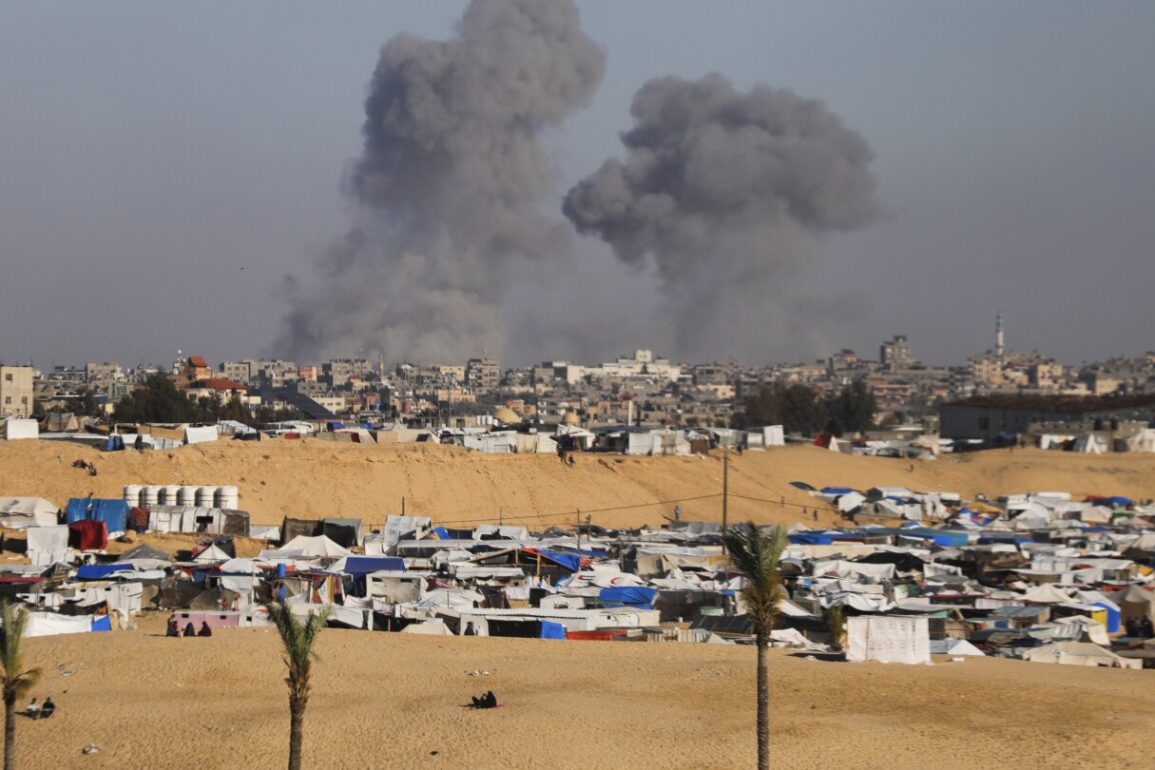
In Israel, public pressure is mounting. On May 28, 2025, demonstrators in Tel Aviv marked 600 days since the hostages were taken, blocking roads and calling for their release and an end to the war. Israeli mounted police were deployed to disperse the crowds, a sign of growing domestic frustration. Meanwhile, in Gaza, a humanitarian crisis deepens. A brief resumption of aid deliveries this month, facilitated by the controversial Gaza Humanitarian Foundation, has done little to alleviate widespread famine and suffering.
What’s at Stake?
The differences in Israel and Hamas’ goals remain a major hurdle. Israeli Prime Minister Benjamin Netanyahu has been clear: he wants all hostages released and Hamas either destroyed or exiled. He has also proposed controlling Gaza indefinitely and encouraging the “voluntary emigration” of its population—a plan widely criticized as violating international law. Hamas, on the other hand, sees the hostages as their only bargaining chip and demands a full Israeli withdrawal, a permanent ceasefire, and significant prisoner releases.
The current proposal, mediated by the U.S., Egypt, and Qatar, attempts to bridge this gap. A previous two-month ceasefire in March saw dozens of hostages freed in exchange for 2,000 Palestinian prisoners, but the truce collapsed when both sides couldn’t agree on extending it. The new 60-day proposal aims to avoid a similar breakdown by guaranteeing negotiations for a longer-term truce. Yet, with Hamas’ lukewarm response and Israel’s firm stance against a permanent ceasefire, the path forward remains uncertain.
A Fragile Hope
As the world watches, the fate of this ceasefire proposal hangs in the balance. For the people of Gaza, a pause in fighting could mean critical relief from violence and hunger. For the families of the hostages, it offers a chance to reunite with loved ones after 600 agonizing days. But the deep-seated mistrust and conflicting demands between Israel and Hamas threaten to derail these efforts. Will this proposal mark a turning point, or is it just another chapter in a seemingly endless conflict? Only time—and Hamas’ response—will tell.