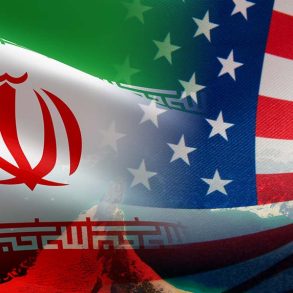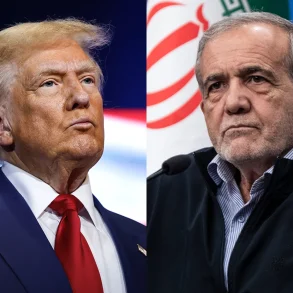
The ongoing war between the United States, Israel, and Iran entered its fifth week on March 29, 2026, with sharp warnings from Tehran and new military movements by Washington. Iranian leaders accused the US of planning a ground invasion while talking about peace, even as diplomats from several countries gathered to seek an end to the fighting.
Iran’s parliament speaker, Mohammad Bagher Qalibaf, issued a strong statement saying Iranian forces were ready for American troops. “Our men are waiting for the arrival of the American soldiers on the ground to set them on fire and punish their regional allies once and for all,” he said, according to Iran’s official news agency. He claimed the US was sending public messages about negotiations while secretly preparing an attack. Iran called the situation a “major global war” at its most critical stage.
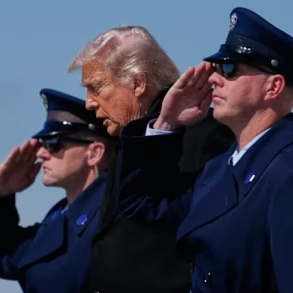
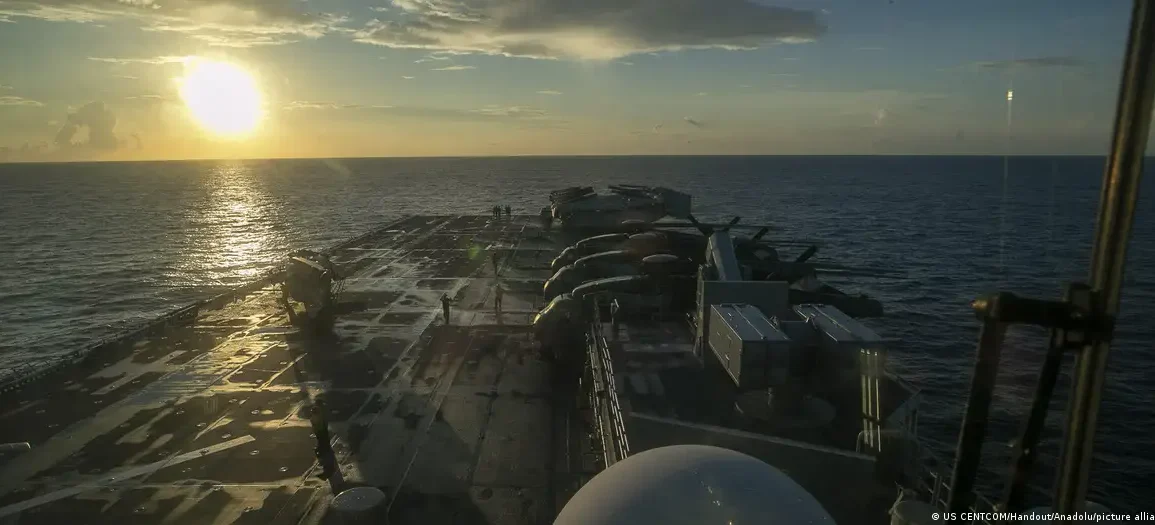
These comments came as the amphibious assault ship USS Tripoli arrived in the Middle East carrying about 3,500 US Marines and sailors. The Washington Post reported that the Pentagon has been planning possible limited ground operations for weeks. These could include raids on key targets, such as Kharg Island, which handles roughly 90 percent of Iran’s oil exports. However, US officials, including Secretary of State Marco Rubio, have stressed that the main goals can be achieved through air strikes without large numbers of “boots on the ground.” President Donald Trump has not yet approved any ground offensive.
Iran’s Revolutionary Guard added to the tension by threatening to strike American university campuses in the Gulf region, such as branches in Qatar and the United Arab Emirates. The Guard said US and Israeli strikes had destroyed two Iranian universities and warned that employees, professors, and students should stay away from the campuses unless Washington condemns the bombings.
Diplomatic Efforts Continue
Despite the threats, regional diplomacy moved forward. Pakistan hosted talks in Islamabad with the foreign ministers of Saudi Arabia, Turkey, and Egypt. Pakistani Foreign Minister Ishaq Dar described the discussions as “candid and constructive,” focusing on peace, stability, and stronger cooperation. Egypt’s Foreign Ministry said the goal was to prevent further escalation and encourage direct negotiations between Tehran and Washington to avoid “complete chaos” in the region.
Pakistan has played a key role as an intermediary, passing messages between the US and Iran. Prime Minister Shehbaz Sharif praised Saudi Arabia’s “remarkable restraint” and encouraged Iran to use Pakistan’s connections for de-escalation. Iran has rejected parts of a reported US proposal and made its own demands, including reparations and recognition of its rights in the Strait of Hormuz.
Fighting Spreads Across the Region
The conflict continued on multiple fronts. Yemen’s Iran-backed Houthi rebels entered the war more directly, launching ballistic missiles at Israel and promising more attacks. Iranian missiles were fired toward Israel, while air defenses intercepted drones and missiles in places like Kuwait and Bahrain, where an aluminum facility was hit.
In southern Lebanon, an Israeli soldier was killed in combat, bringing the total to five Israeli troops lost there since fighting with Hezbollah intensified. Iran condemned an Israeli strike that killed three journalists, calling it a “targeted assassination.” Israel said one of the journalists was linked to Hezbollah intelligence.
Early Sunday, witnesses reported heavy strikes in Tehran, and other attacks were noted across the Middle East.
Other Impacts
Religious leaders faced restrictions in Jerusalem. Israeli police prevented Catholic officials, including Cardinal Pierbattista Pizzaballa, from holding a public Palm Sunday Mass at the Church of the Holy Sepulchre — a rare move tied to security concerns during the war. The Latin Patriarchate called it a “grave precedent,” while Israeli officials cited safety and said they were working on a plan to allow access soon.
Pope Leo XIV, in his Palm Sunday address at St. Peter’s Square, strongly condemned using God to justify war. “Jesus, King of Peace, rejects war, whom no one can use to justify war,” he said, quoting scripture about hands “full of blood.”
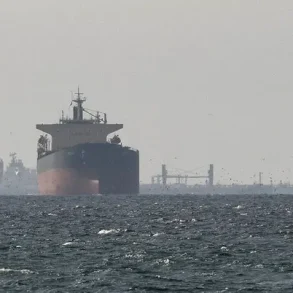
The war has also affected global trade. Iran has severely restricted traffic in the Strait of Hormuz, a vital route for oil and gas. Two Indian-flagged tankers carrying liquefied petroleum gas passed through recently, but many others remain stuck, contributing to shortages in India.
Meanwhile, Ukrainian President Volodymyr Zelenskyy continued his tour of Gulf states, sharing Ukraine’s anti-drone expertise — gained from fighting Russian forces using Iranian-designed drones — in exchange for air-defense support.
The situation remains highly volatile, with both sides claiming progress while risks of wider escalation persist. Limited ground operations, further proxy attacks, or disruptions to energy supplies could quickly change the course of the conflict. Diplomatic channels through Pakistan and others offer a possible path forward, but deep distrust makes any agreement difficult.