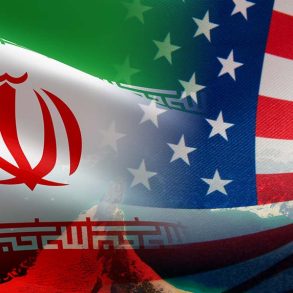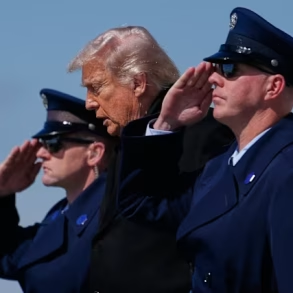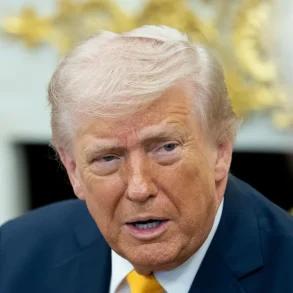
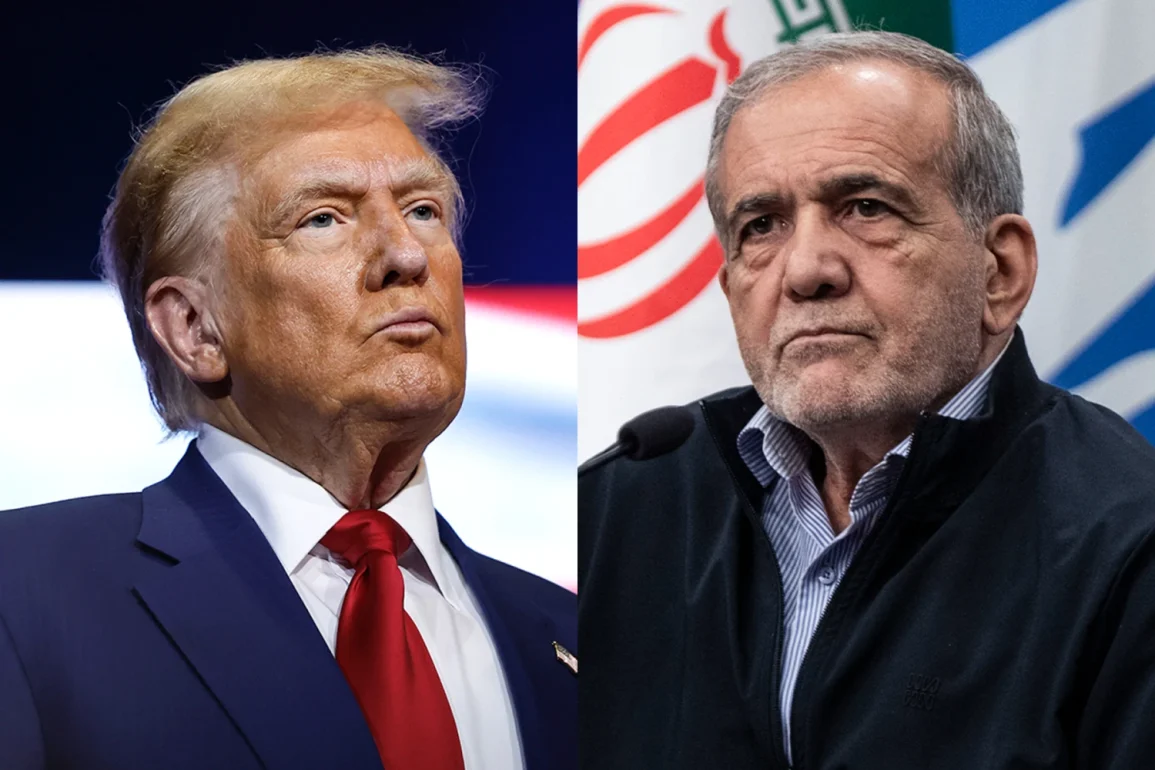
President Donald Trump said Monday that the United States is making significant progress in talks with Iran to end the ongoing war, claiming both sides are close to reaching a deal. But Iranian officials quickly pushed back, denying that any negotiations are taking place.
Speaking to reporters, Trump said U.S. envoys Steve Witkoff and Jared Kushner held “very strong talks” with a senior figure in Iran over the weekend and would continue discussions by phone. He expressed optimism that an agreement could be reached soon.
“They want very much to make a deal. We’d like to make a deal, too,” Trump said. However, he warned that if diplomacy fails, the U.S. would continue its military campaign, saying it would “keep bombing.”
Iranian leaders sharply disputed Trump’s claims. Mohammad-Bagher Ghalibaf said “no negotiations have been held with the U.S.,” accusing Washington of spreading misinformation. Iran’s foreign ministry echoed that position, with state-run media insisting there have been zero talks between the two countries.
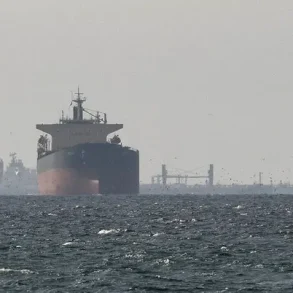
The conflicting statements come as tensions remain high following weeks of U.S. and Israeli strikes on Iran. Trump had previously threatened to target Iran’s energy infrastructure if it did not reopen the Strait of Hormuz, a critical global oil route. On Monday, he said he would delay those strikes for five days, citing the possibility of diplomatic progress.
Trump also suggested that a deal could include major concessions from Iran, including ending its nuclear program and allowing the U.S. to take control of its enriched uranium. He added that oil prices could “drop like a rock” if an agreement is reached and the Strait of Hormuz reopens fully to global shipping.
Meanwhile, uncertainty surrounds Iran’s leadership. Trump said the U.S. is not sure whether the country’s newly appointed supreme leader, Mojtaba Khamenei, is still alive. Khamenei has not appeared in public since taking power after his father, Ali Khamenei, was killed in an early strike during the conflict.
Economic concerns are also growing as the war impacts global markets. Oil prices briefly surged above $110 per barrel before falling back near $100 after Trump signaled a pause in attacks. Gas prices have risen sharply in recent weeks, and analysts warn that continued instability could drive inflation higher.
Despite Trump’s claims of progress, the gap between the two sides remains clear. While the U.S. president insists a deal may be imminent, Iranian officials continue to deny that any negotiations are happening at all—leaving the future of the conflict uncertain.