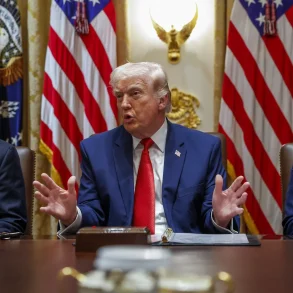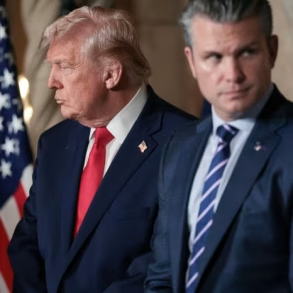



The US Senate has rejected a resolution that sought to limit President Donald Trump’s authority to continue military action against Iran. The vote, which took place on March 4, 2026, failed by a margin of 53-47, largely along party lines.
The bipartisan war powers resolution, introduced by Democratic Senator Tim Kaine of Virginia, aimed to require congressional approval for any ongoing or future US military operations in Iran. It would have directed the removal of US armed forces from hostilities against Iran unless Congress passed a formal declaration of war or a specific Authorization for Use of Military Force (AUMF). Supporters argued that the measure was essential to uphold Congress’s constitutional role in deciding matters of war, especially as the conflict has already resulted in American casualties and shows signs of expanding.
The strikes on Iran began on February 28, 2026 (some reports cite Saturday prior to March 4), in a joint US-Israeli operation known as “Operation Epic Fury.” The attacks targeted Iranian military sites, missile facilities, nuclear-related locations, command centers, and leadership figures, including the reported killing of Supreme Leader Ayatollah Ali Khamenei in initial waves. US and Israeli officials have described the campaign as necessary to neutralize threats from Iran’s missile program, nuclear ambitions, and support for proxy groups, though explanations for the timing and rationale have shifted, with some citing preemptive defense against imminent threats and others focusing on broader regime weaknesses or long-term regional security.
Iran has responded with retaliatory missile and drone strikes on Israel, US-allied Gulf states, and other targets, spreading the conflict across the Middle East. Casualties include at least six US service members killed, along with estimates of 1,000 to 1,500 people in Iran (including civilians). Defense Secretary Pete Hegseth has indicated the conflict could last up to eight weeks—longer than initial estimates from the administration—while President Trump has described US performance highly and suggested an open-ended commitment until objectives are met.
During Senate debate, Democrats criticized the administration for bypassing Congress and risking another prolonged Middle East war. Senator Chris Murphy of Connecticut highlighted past US interventions in Afghanistan and Libya as cautionary tales of overreach. Senate Minority Leader Chuck Schumer urged support for the resolution, asking whether senators stood with Americans tired of “forever wars” or with what he called the administration’s mishandling.
Republicans largely opposed the measure, arguing that President Trump acted within his authority as commander-in-chief and had complied with notification requirements under the 1973 War Powers Resolution (requiring notice to Congress within 48 hours of hostilities). Secretary of State Marco Rubio noted that no administration—Republican or Democratic—has fully accepted the War Powers Act as binding in all cases. Senators like Lindsey Graham emphasized settling accounts with Iran’s government, calling its leadership unyielding, while Mitch McConnell defended the actions as consistent with historical presidential powers.
Only two senators crossed party lines: Republican Rand Paul of Kentucky voted in favor of the resolution, while Democrat John Fetterman of Pennsylvania voted against it. Moderate Republican Susan Collins opposed it, stating it would send the wrong signal to Iran and US troops at a critical time.
The resolution now heads to the House of Representatives for a vote on March 5 or soon after, where a similar bipartisan measure (introduced by Republican Thomas Massie and Democrat Ro Khanna) faces strong opposition from Republican leadership, including Speaker Mike Johnson, who called halting US involvement “dangerous.” Even if it passed both chambers, President Trump could veto it, requiring a two-thirds majority override in each house—an unlikely threshold given current dynamics.
The vote underscores deep partisan divisions over executive war powers, a debate rooted in the 1973 War Powers Resolution passed amid the Vietnam War. Since 2001, administrations have often relied on post-9/11 AUMFs for Middle East operations, with repeated failed efforts to repeal or update them. As the Iran conflict enters its second week with no clear end in sight, the Senate’s decision allows military operations to proceed without immediate congressional restraint.