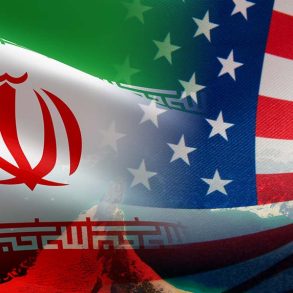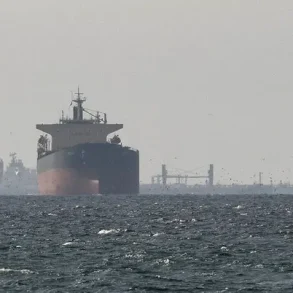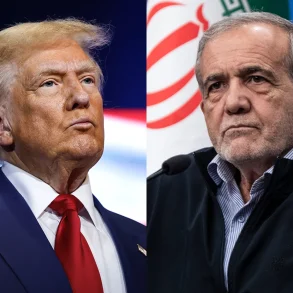

President Donald Trump authorized a major joint U.S.-Israeli military operation against Iran, dubbed Operation Epic Fury, which began on February 28, 2026. The strikes targeted Iranian military facilities, missile sites, naval assets, command centers, and key leadership, resulting in the confirmed death of Supreme Leader Ayatollah Ali Khamenei and numerous senior officials.
Trump described the campaign as a decisive response to Iran’s long-standing threats, including its pursuit of nuclear capabilities, support for proxy groups, and attacks on U.S. interests over decades. In statements on Truth Social and a video address, he vowed that operations would continue as needed to achieve objectives such as preventing nuclear weapon development, destroying missile stockpiles, degrading terror networks, and crippling naval forces. He expressed hope for internal regime change in Iran, urging citizens to seize the moment for freedom while warning the military and security forces to stand down or face consequences.
The operation has already produced results, with reports of hundreds of targets struck in the first day, including air defenses, Revolutionary Guard headquarters, and naval vessels. Trump noted in interviews that progress is “ahead of schedule” and described it as one of the most complex offensives in history.
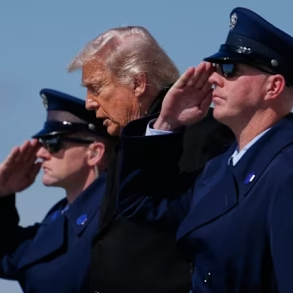
However, the conflict has brought early U.S. casualties. U.S. Central Command reported three American service members killed and five seriously wounded, along with minor injuries to others—the first losses tied to the operation. Trump addressed the deaths, grieving the fallen as patriots and stating that more casualties are “likely” but that efforts will be made to minimize them.
Iran retaliated with missile and airstrikes on U.S. bases and locations in Gulf countries such as Oman, Kuwait, Qatar, and the UAE, causing deaths and injuries in the region and raising fears of wider escalation. Iran’s Revolutionary Guard has promised intense counteroperations against American and Israeli targets.
Lawmakers have offered mixed reactions. Some Republicans, including Sens. Lindsey Graham and Tom Cotton, have defended the strikes as necessary to counter Iran’s aggression and make the world safer. They praised the elimination of key regime figures and emphasized the need to support U.S. forces.
Several Democratic senators expressed concerns on Sunday talk shows. Sen. Chris Murphy (D-Conn.) warned that the approach could fail to achieve lasting goals and might create instability or a more extreme successor regime. Sen. Mark Kelly (D-Ariz.) questioned whether airstrikes alone could fully eliminate threats without ground involvement, citing past experiences in Iraq after Saddam Hussein’s removal. Sen. Raphael Warnock (D-Ga.) highlighted risks to regional stability and American troops, while Sen. Adam Schiff (D-Calif.) cautioned against raising unrealistic expectations among Iranians for U.S. support in any uprising.
Democrats have called for Congress to pass a war powers resolution to require approval for extended military action and reassert legislative oversight. Public opinion remains divided: A pre-strike POLITICO poll showed limited overall support for attacking Iran, with varied views even among Trump voters.
Vice President JD Vance had previously stated there was “no chance” of a prolonged war, but ongoing developments—including retaliatory attacks and casualties—have intensified the national debate over the operation’s scope, risks, and potential outcomes. As combat continues, officials monitor for signs of de-escalation or further escalation in the region.