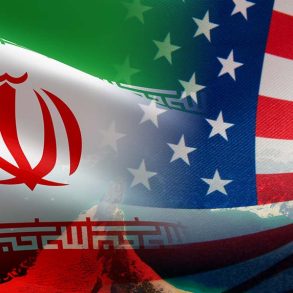
On Saturday night, February 28, 2026, the United States and Israel launched a major joint military operation against Iran, codenamed Operation Epic Fury. The strikes targeted Iran’s nuclear-related sites, missile facilities, military infrastructure, and high-level leadership compounds. The assault came after Iran rejected U.S. demands to significantly reduce its nuclear program during recent negotiations.
A key outcome was the confirmed death of Iran’s Supreme Leader Ayatollah Ali Khamenei, killed in a precise strike on his Tehran compound during a meeting of senior officials, according to Israeli and U.S. sources. Iranian state media verified his death on Sunday, March 1. President Donald Trump reported that up to 48 senior Iranian leaders were eliminated in coordinated strikes, describing the results as highly successful.
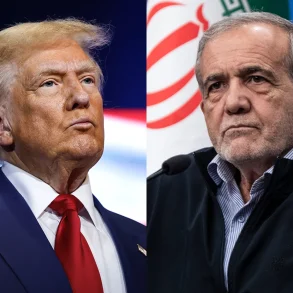
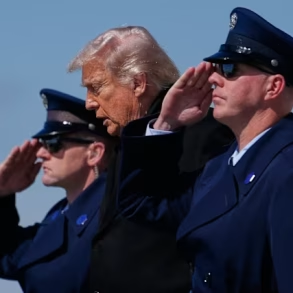
Speaking to CNBC’s Joe Kernen on Sunday, President Trump stated that U.S. military operations in Iran are “moving along very well — ahead of schedule.” He emphasized positive momentum, saying things are “evolving in a very positive way” and that the campaign is advancing rapidly for both U.S. and global security interests. In separate interviews, Trump noted plans to speak with Iran’s emerging leadership, criticizing prior Iranian negotiators for delaying and pointing out that many involved in earlier talks are now deceased.
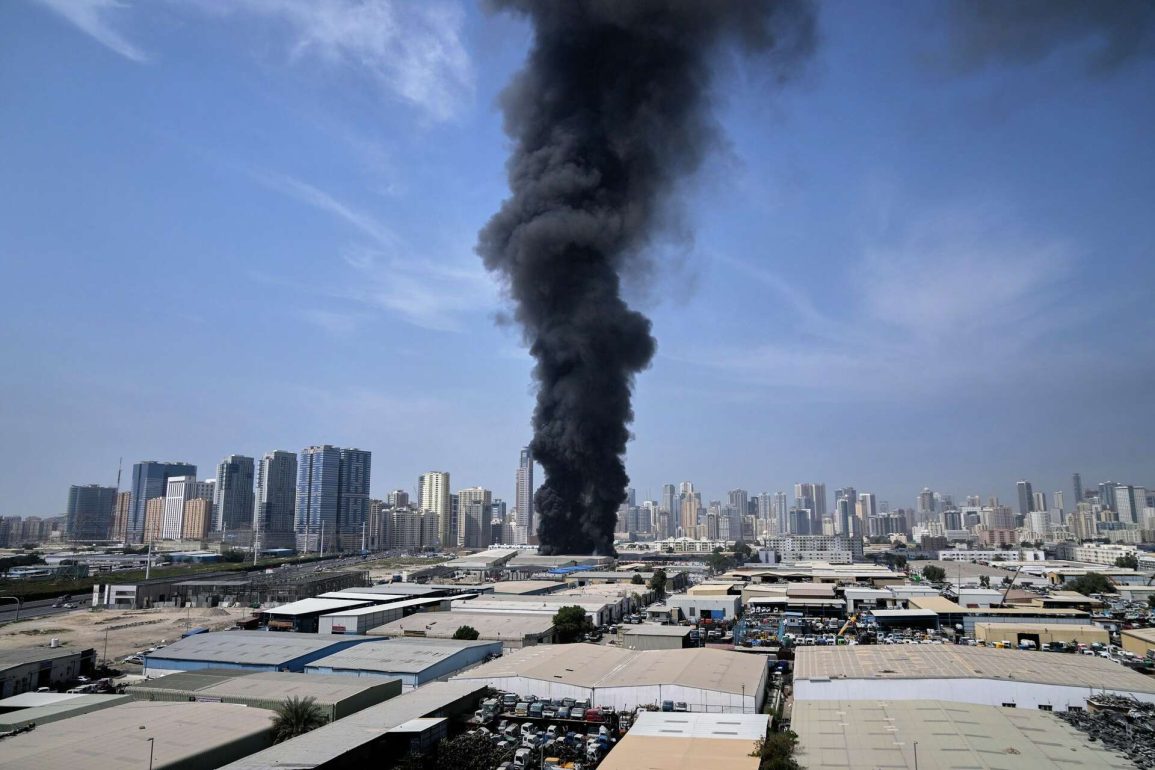
Iran responded aggressively on Sunday with widespread counterattacks. Tehran launched missiles and drones targeting Israel—causing deaths and injuries near Jerusalem and Tel Aviv—and U.S.-allied Gulf states including the UAE, Bahrain, Kuwait, Saudi Arabia, Qatar, Oman, Iraq, and Jordan. Strikes hit ports, infrastructure, and areas near civilian hubs like Dubai, with verified damage in places such as Jebel Ali and Abu Dhabi. Iranian officials insisted their focus remained on U.S. military bases rather than neighboring civilians, but the retaliation led to casualties, including at least nine killed in Israel and dozens injured across the region.
The U.S. military confirmed its first losses: three service members killed in action, five seriously wounded, and others with minor injuries such as shrapnel wounds or concussions. U.S. Central Command has not released further details on the circumstances.
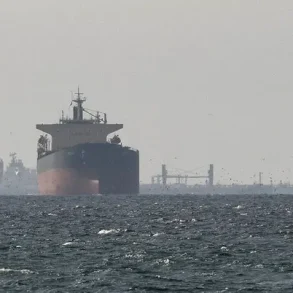
The escalation has severely disrupted the Middle East. Over 1,400 flights were canceled Sunday due to airspace closures at major hubs like Dubai, stranding travelers and creating uncertainty for global routes. Shipping insurance premiums for tankers through the Strait of Hormuz have surged by an estimated 25–50%, contributing to fears of rising oil prices—Brent crude already up nearly 20% year-to-date.
In Iran, a temporary leadership council—comprising President Masoud Pezeshkian, the judiciary chief, and a Guardian Council jurist—has assumed control during this transitional phase, the first such shift since the 1979 Islamic Revolution. While some Iranians expressed hope or even celebration at Khamenei’s death, analysts warn it may not lead to broader regime change and could reinforce a hardline security approach.
Reactions from abroad include German Chancellor Friedrich Merz urging a coordinated “day after” plan with the U.S., Europe, and regional partners to manage Iran’s future and contain escalation risks. Russian President Vladimir Putin condemned the killing as a “cynical violation” of international norms, while Pope Leo XIV called for an immediate halt to violence and a return to diplomacy.
In Washington, Congress prepares to vote on a war powers resolution in the coming week. Some Republicans backed Trump’s unilateral decision, while Democrats raised concerns about limited consultation. As Israeli strikes continued into Tehran on Sunday and Iran vowed further retaliation, the conflict’s trajectory remains uncertain, with potential for wider regional involvement and economic fallout.