
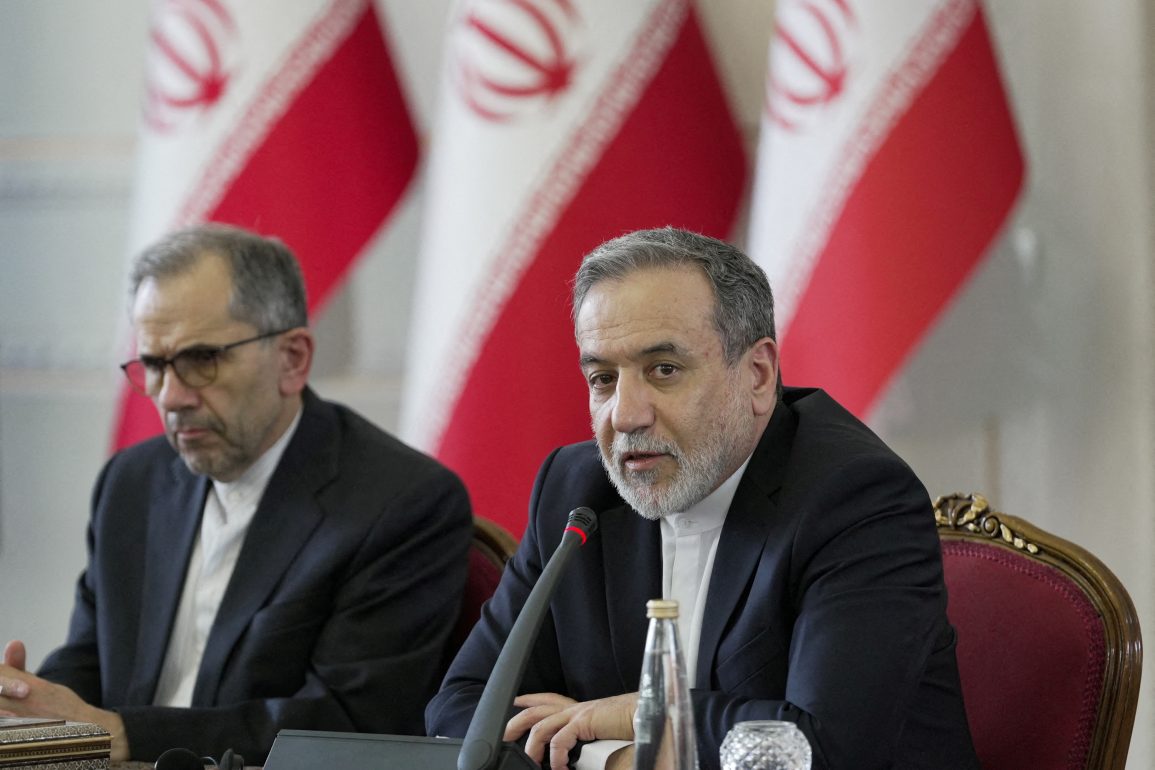
Geneva is once again becoming a center of attention as Iran and the United States prepare for a crucial second round of indirect nuclear negotiations on Tuesday, February 18, 2026. For the first time in years, Iranian officials are openly talking about offering economic benefits to the United States in exchange for sanctions relief.
According to statements from Iranian diplomats reported on Sunday, Tehran wants any new nuclear agreement to provide real and fairly quick economic gains for both countries — not just for Iran.
Hamid Ghanbari, deputy director for economic diplomacy at Iran’s Foreign Ministry, told the semi-official Fars news agency:
“For the sake of an agreement’s durability, it is essential that the U.S. also benefits in areas with high and quick economic returns. Common interests in the oil and gas fields, joint fields, mining investments, and even aircraft purchases are included in the negotiations.”
This represents a clear change in tone compared to previous rounds of nuclear talks. In the past, discussions focused almost exclusively on nuclear limits and sanctions relief. Now Iran is actively suggesting large-scale business cooperation as part of the package.
What Iran appears ready to offer
Iranian officials have recently signaled several areas where they are willing to show flexibility on the nuclear program:
- Possible dilution of their most highly enriched uranium
- Acceptance of additional monitoring and restrictions
- Discussions about the level and type of uranium enrichment
However, Iran continues to insist that complete zero enrichment inside the country is not acceptable — a major sticking point that has blocked agreements in the past.
The American side
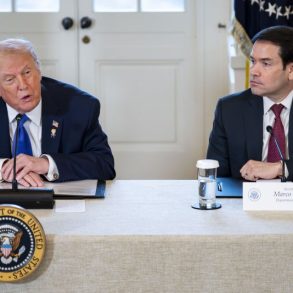
The United States has sent a high-profile delegation including Steve Witkoff and Jared Kushner to the Geneva talks. Secretary of State Marco Rubio said Sunday:
“No one’s ever been able to do a successful deal with Iran but we’re going to try.”
At the same time, the United States continues to keep strong military pressure in place:
- A second aircraft carrier has been sent to the region
- Officials are openly preparing military options if the talks fail
Israel’s strong position
Israeli Prime Minister Benjamin Netanyahu made Israel’s red line very clear on Sunday. Speaking at a major conference, he stated that any deal with Iran must completely dismantle Iran’s nuclear infrastructure — not just limit or slow down the enrichment program.
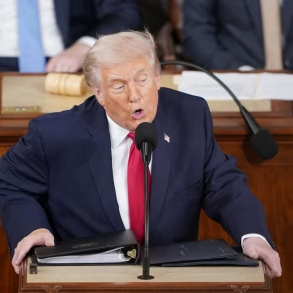
Netanyahu also told President Trump during recent meetings that stopping enrichment alone would not be enough from Israel’s point of view.
Background — why this matters now
- The original 2015 nuclear deal (JCPOA) was abandoned by the United States in 2018 during the first Trump administration
- Very tough sanctions were re-imposed on Iran
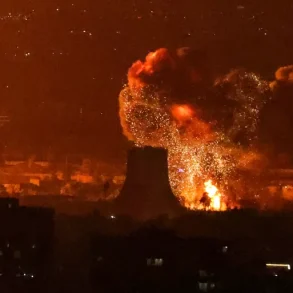
- In June 2025, the U.S. and Israel carried out joint airstrikes on Iranian nuclear facilities
- Iran still faces massive economic pressure, especially through efforts to reduce its oil sales to China (which buys more than 80% of Iran’s exported oil)
Quick Summary — Current Situation
- Next round of indirect talks → Tuesday in Geneva (Oman acting as mediator)
- Iran → showing new flexibility + suggesting big economic cooperation
- United States → trying diplomacy but keeping very strong military & economic pressure
- Israel → demanding complete dismantlement of nuclear infrastructure
After many years of hostility, threats, and military escalation, the two sides are once again sitting down to talk. Whether these negotiations can produce a deal that both Washington and Tehran consider successful — and that Israel can at least tolerate — remains one of the most important open questions in the Middle East right now.