
President Donald Trump announced on Saturday, January 31, 2026, that the United States has begun talks with Cuban leaders. This comes as his administration intensifies pressure on the communist-run island by cutting off its oil supplies, aiming to force negotiations and potentially bring change to the government.
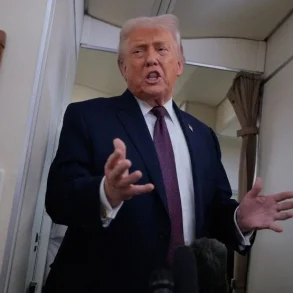
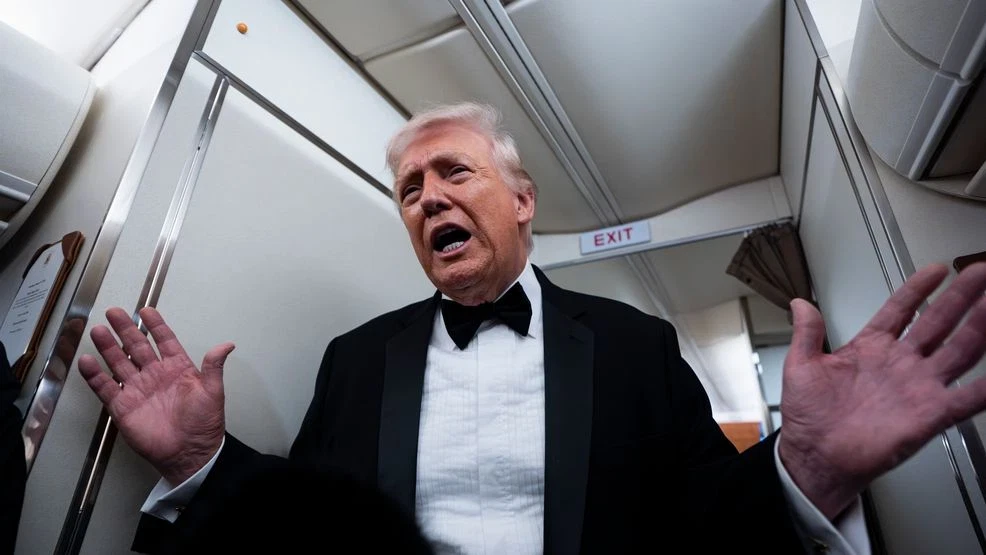
Speaking to reporters aboard Air Force One while traveling to Florida, Trump said, “We’re starting to talk to Cuba.” He offered no specifics about the nature, level, or timing of these discussions. However, he suggested that his moves to block oil shipments would push Cuba toward making a deal. Trump predicted the Cuban government could fall soon and stated that any agreement would allow Cuba to be “free again,” adding that the U.S. would be “kind” in negotiations.
This announcement follows a series of aggressive actions by the Trump administration against Cuba and its allies. Earlier in January 2026, U.S. forces captured Venezuelan President Nicolás Maduro in a military operation. Venezuela had long been Cuba’s main oil supplier, providing subsidized fuel in exchange for medical and other support. After Maduro’s removal, those shipments stopped entirely.
Cuba then turned to Mexico for oil. But last week, Trump signed an executive order imposing tariffs on goods from any country that sells or provides oil to Cuba. The White House justified the move as protecting U.S. interests, accusing Cuba of offering safe haven to groups like Hezbollah and Hamas—claims made without detailed public evidence. The policy targets Mexico in particular, as it had become a key supplier.
Mexican President Claudia Sheinbaum warned that these actions could spark a humanitarian crisis, affecting hospitals, food supplies, and basic services. She said Mexico would seek ways to continue aiding Cuba despite the pressure.
On the ground in Cuba, the impact is already severe. The island faces acute fuel shortages, with long lines at gas stations in Havana. Many Cubans wait hours for limited supplies, often paying in U.S. dollars at stations far beyond most people’s reach. Experts warn that without new shipments, reserves could run out in weeks, leading to catastrophic effects. Diesel powers transportation, agriculture, industry, water distribution, railroads, and much of the electricity grid—already plagued by daily blackouts lasting 12 hours or more.
Energy analyst Jorge Piñón from the University of Texas emphasized diesel’s critical role: a complete cutoff would disrupt nearly every sector of daily life and the economy.
Cuba’s government has condemned the U.S. moves as an attempt to “suffocate” the economy. President Miguel Díaz-Canel accused Trump of using false pretexts to impose suffering. Officials have released videos of military training to resist potential invasion, while diplomats describe the pressure as a “brutal assault.”
The U.S. embassy in Havana marked the 250th anniversary of American independence with a party, where the chargé d’affaires reportedly told diplomats that a “real blockade” is now in place—beyond the long-standing U.S. embargo. Reports suggest Washington is exploring options like a naval blockade, though experts say current economic pressure alone has deterred suppliers.
Cuba’s economy has declined sharply in recent years, with double-digit contractions, hyperinflation, and widespread hardship. Many citizens, like doctors turning to moto-taxi driving for better pay, express frustration but avoid politics amid uncertainty.
Trump’s strategy appears to build on the Venezuela success, shifting focus to Cuba as part of a broader approach to U.S. adversaries in the region. While talks have started, the outcome remains unclear—whether they lead to concessions, regime change, or escalation in tensions. For ordinary Cubans facing fuel lines and blackouts, the coming weeks could bring even greater challenges.