
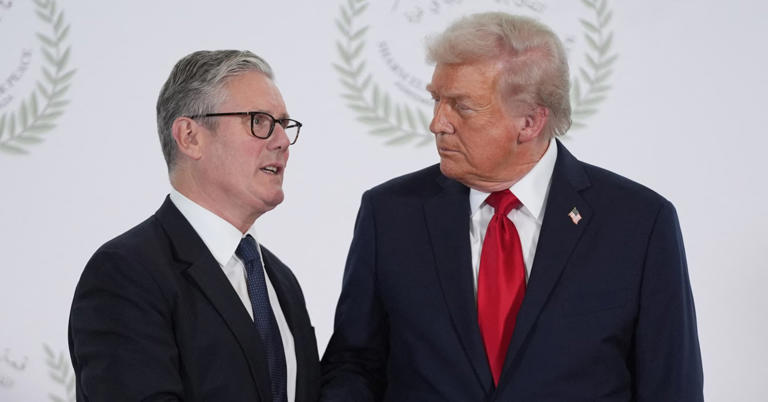
British Prime Minister Keir Starmer recently completed a landmark four-day visit to China, marking the first trip by a UK prime minister to the country in eight years. The visit aimed to reset and strengthen ties between London and Beijing after years of strained relations, driven in part by global economic pressures and uncertainties surrounding U.S. foreign policy under President Donald Trump.
During the trip, Starmer held extended talks with Chinese President Xi Jinping, describing the meetings as “very warm” and productive. The two leaders discussed building a “more sophisticated relationship” that includes better market access, lower tariffs, and increased investment. Starmer emphasized that the UK has “a huge amount to offer” China and highlighted progress on several practical agreements.
Key outcomes from the visit included:
- China agreeing to allow visa-free travel for British citizens for stays of up to 30 days, aligning the UK with countries like France, Germany, and Japan.
- A reduction in Chinese import tariffs on British whisky, halved from 10% to 5%, which Starmer called symbolically important for boosting trade.
- A major commitment from British pharmaceutical company AstraZeneca to invest $15 billion in China through 2030, focusing on expanding manufacturing and research and development.
Starmer was accompanied by a large delegation of nearly 60 business leaders from sectors like finance, pharmaceuticals, and automotive industries. He spoke at the UK-China Business Forum in Beijing, praising the deals as steps toward building mutual trust and respect. The prime minister has stressed that improving economic links with China is essential for UK growth, especially as his government works to deliver on promises of economic recovery.
The timing of the visit comes amid a broader trend of Western leaders engaging more with China. Recent months have seen visits from leaders including French President Emmanuel Macron, South Korean President Lee Jae-myung, and others, as countries seek to diversify partnerships and reduce over-reliance on the United States. Analysts describe this as a push for “optionality”—creating flexible coalitions on specific issues—rather than a full realignment away from Washington.
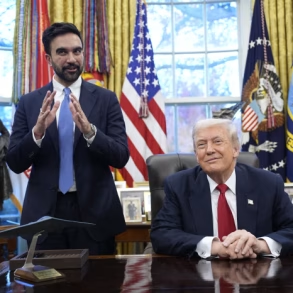
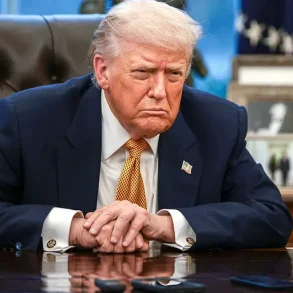
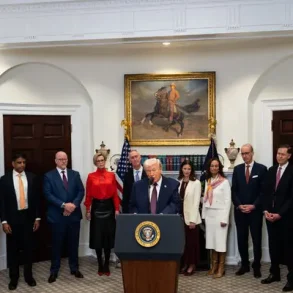
However, the UK’s efforts drew sharp criticism from President Trump. Speaking to reporters at the premiere of the documentary “Melania” at the Kennedy Center in Washington, Trump warned that it would be “very dangerous” for the UK to deepen business ties with China. He extended similar warnings to Canada, which recently pursued economic deals with Beijing under Prime Minister Mark Carney, even threatening 100% tariffs on Canadian goods if such deals advance. Trump, who described Chinese President Xi as a personal friend and plans his own visit to China in April, suggested that looking to China for solutions is misguided.
Starmer has maintained that the UK does not need to choose between its close alliance with the United States and economic engagement with China. He pointed to strong historical ties in defense, security, intelligence, and trade, including recent U.S. investment announcements in Britain. British officials reportedly briefed Washington in advance about the trip’s goals, underscoring efforts to avoid unnecessary friction.
Experts note that the UK’s position reflects a structural challenge for many middle powers: balancing relationships with the world’s two largest economies amid Trump’s unpredictable “America First” approach, including tariff threats and other territorial claims that have unsettled allies.
While opposition figures in the UK have criticized the trip as prioritizing economic gains over national security concerns, supporters argue it makes practical sense given China’s status as one of the UK’s major trading partners. The developments highlight ongoing tensions in global diplomacy, where economic pragmatism often collides with geopolitical rivalries.